
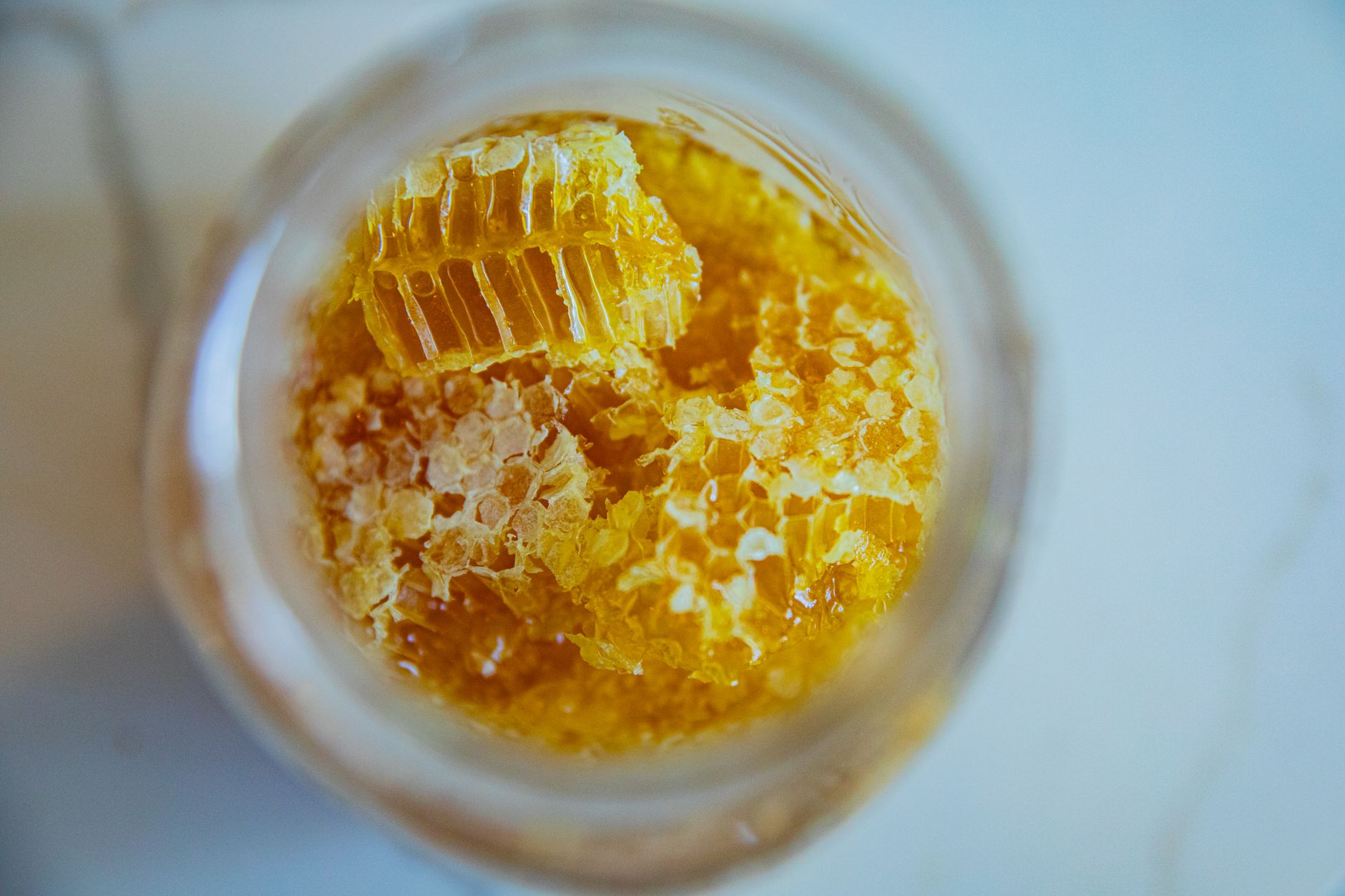
Honey crystallization is a naturally occurring process that happens when the sugars in honey form solid crystals. This phenomenon can raise concerns for some consumers who are unfamiliar with it. Understanding why honey crystallizes, whether it is harmful, and how to handle crystallized honey can enhance your culinary experiences and ensure you get the most out of this natural sweetener.
In this article, we will delve deep into the science of honey crystallization, explore its culinary implications, and provide practical tips for using crystallized honey in recipes and beyond.
If Honey Crystallizes Is It Bad?
No, crystallized honey is not bad! In fact, it remains perfectly safe to consume. Crystallization is a natural process that occurs when glucose in honey separates from the water. The resulting crystals can change the appearance and texture of the honey, but they do not indicate spoilage or a decrease in quality.
Understanding Honey and Its Composition
Before diving into crystallization, it is essential to understand what honey is and how its unique properties contribute to this process. Honey is primarily composed of two sugars: fructose and glucose. These sugars are dissolved in water and other trace compounds that contribute to honey’s flavor and color.
The ratio of fructose to glucose, along with factors such as moisture content and temperature, significantly influence whether honey will crystallize. Generally, honey with a higher glucose content crystallizes more readily, which is often seen in raw honey varieties.
Why Does Honey Crystallize?
Honey crystallizes for several reasons:
- Glucose and Fructose Balance: As mentioned, the glucose-to-fructose ratio plays a crucial role. Honey with higher glucose content is more likely to crystallize.
- Temperature: Cooler temperatures encourage crystallization. Honey stored in a cold environment may crystallize faster than honey kept at room temperature.
- Moisture Content: Honey with a lower water content is less likely to crystallize. If water enters the honey, for instance from improper storage, it might crystallize more quickly.
- Particle Nuclei: Tiny particles such as pollen or dust can act as nucleation points for crystals to form. Raw honey, which often contains these particles, crystallizes more readily.
Myths and Misconceptions About Crystallized Honey
Despite common misconceptions, crystallized honey does not mean that it has gone bad. Here are some myths politely debunked:
- Crystallized Honey is Spoiled: This is not true. Honey does not spoil; it can last indefinitely when stored properly. Crystallization is a natural occurrence and does not affect safety.
- Crystallized Honey is Not Good Quality: Many prefer raw, unprocessed honey even if it crystallizes because raw honey often provides richer flavors and potential health benefits.
- Once Honey Crystallizes, It Cannot Be Returned to Liquid: Crystallized honey can easily be liquefied with gentle heating.
How to Handle Crystallized Honey
If you find yourself with crystallized honey, there are simple methods to bring back its liquid form:
Gentle Heating Method
- Place the jar of crystallized honey in a pot of warm water. Ensure the water is not boiling—temperature control is essential.
- Let the honey sit in the warm water for approximately 10 to 20 minutes, stirring occasionally as it softens.
- Remove it from the heat once the crystals dissolve and the honey returns to its original consistency.
- Be cautious not to overheat, as excessive heat can degrade the honey’s flavor and beneficial properties.
Microwave Method
- Transfer the crystallized honey into a microwave-safe container.
- Heat in short bursts of 15-20 seconds, checking and stirring frequently until the crystals dissolve.
- Use caution to avoid overheating, which can turn some honey components into harmful substances.
Kitchen Uses for Crystallized Honey
Even if honey crystallizes, it can still serve as a delicious and functional ingredient in various recipes. Here are some creative kitchen uses for crystallized honey:
Baking with Crystallized Honey
Crystallized honey can enhance baked goods by adding moisture and a unique flavor. Here is how to incorporate it:
- Sweetener Substitute: Use crystallized honey as a sweetener in cakes and cookies. If a recipe calls for granulated sugar, consider using crystallized honey as a 1:1 substitution.
- Granola: Mix crystallized honey into homemade granola recipes for added texture and sweetness.
Sauces and Dressings
Crystallized honey can also be a delightful addition to sauces and dressings. It brings a rich, complex flavor profile:
- Salad Dressings: Combine crystallized honey with vinegar and oil for a simple yet delicious vinaigrette.
- Glazes: Incorporate crystallized honey into savory glazes for meats such as chicken or pork for a sweet finish.
Beverages
Crystallized honey can sweeten beverages, adding flavor and nutrients:
- Tea and Herbal Infusions: Add crystallized honey to hot beverages to enhance sweetness, especially in herbal teas.
- Smoothies: Blend crystallized honey into smoothies for natural sweetness and nutrition.
Storing Honey to Prevent Crystallization
While crystallization is natural, there are methods to minimize it:
- Store at Room Temperature: Keep honey in a cool, dark place at room temperature, away from direct sunlight.
- Airtight Containers: Ensure that honey is sealed tightly to prevent moisture from entering the jar, which may encourage crystallization.
Common Mistakes When Handling Honey
To make the most of your honey, be aware of these common mistakes:
- Storing in the Refrigerator: The cold environment can promote crystallization; room temperature is preferable.
- Overheating: Using high heat to decrystallize honey can ruin its flavor and health benefits.
- Wrong Containers: Use glass or food-grade plastic containers for storage. Avoid metal containers, as they can react with honey.
Health Considerations of Honey
As a natural product, honey carries numerous potential benefits. However, be mindful of some important points:
- Moderation: Honey, though natural, is high in sugars and should be consumed in moderation.
- Age Restrictions: Honey should not be given to children under one year old due to the risk of botulism.
- Allergies: Some individuals may have allergies to bee products; consult with a healthcare provider if unsure.
Summarizing the Key Points About Crystallized Honey
In summary, if honey crystallizes, it is not bad. It remains perfectly safe and can even be utilized in various culinary applications. Understanding how to store, handle, and use crystallized honey can help ensure that you continue to enjoy its natural goodness.
To make the most of crystallized honey, consider using it in baking, salad dressings, and beverages. If you encounter crystallized honey, it can be easily restored and still deliver delightful flavor and sweetness in your recipes.
Why not explore more ways to use honey in your cooking? Check out our honey syrup recipe or learn how to prepare a delectable honey glaze recipe for additional culinary inspiration.