
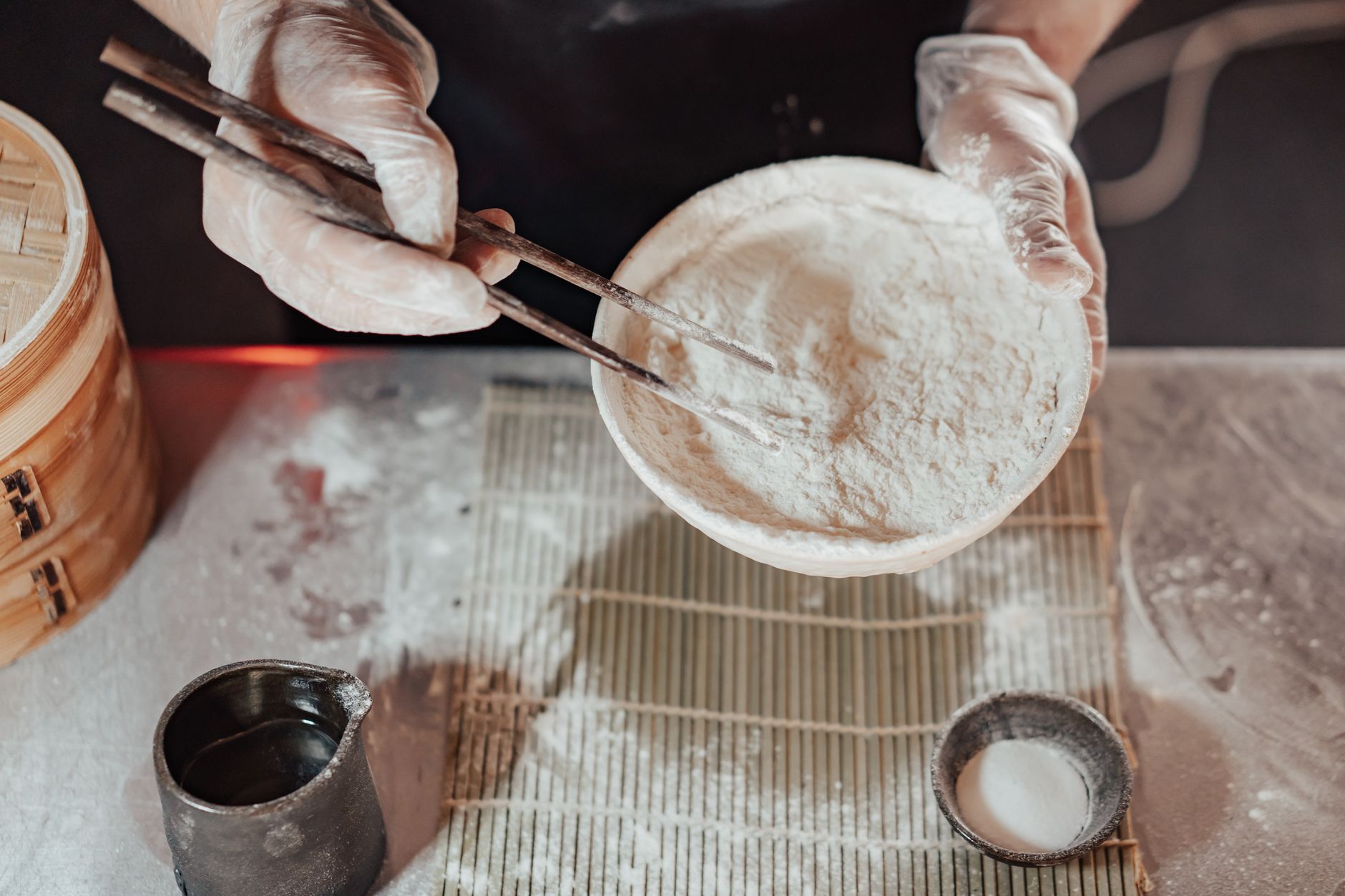
A roux is a classic thickening agent used in many sauces and soups, adding depth and flavor to dishes. This simple mixture of flour and fat transforms liquid into a rich, satisfying sauce while also introducing a lovely nutty taste. Knowing how to make a roux is a fundamental skill for any home cook.
Whether you’re preparing a hearty gumbo, a creamy béchamel, or a rich gravy, mastering the roux technique can elevate your cooking. In this guide, you’ll find insights on the ingredients, methods for different types of roux, serving tips, and common mistakes to avoid.
How To Make A Roux?
To make a roux, you combine equal parts by weight of flour and fat, typically butter, over low to medium heat. The mixture is stirred continuously until it reaches the desired color and aroma, corresponding to the type of roux you want for your dish.
Understanding Roux: The Basics
At its core, a roux consists of two primary ingredients:
- Flour: All-purpose flour is the most common choice, but other flours can be used depending on dietary needs or flavor preferences.
- Fat: Butter is traditional, but olive oil, vegetable oil, or animal fats like bacon grease can also be used.
The ratio of flour to fat is generally 1:1 by weight. It’s crucial to cook the roux slowly and thoroughly, as this process helps develop its flavor and removes the raw taste of the flour.
Types of Roux
Roux can be classified into three main types based on their cooking time and color: white, blonde, and brown. Each type has distinct uses and flavors.
1. White Roux
A white roux is cooked for just a few minutes until bubbling but not browned. This type is used primarily in cream sauces, like béchamel.
How to Make White Roux
- In a saucepan, melt 1 tablespoon of butter over low heat.
- Once melted, add 1 tablespoon of all-purpose flour.
- Stir continuously for 2 to 3 minutes until the mixture bubbles, but do not let it brown.
2. Blonde Roux
A blonde roux is cooked for a longer duration until it takes on a light tan color. This type is often used in gravies and sauces that don’t require a strong flavor.
How to Make Blonde Roux
- Melt 1 tablespoon of butter in a saucepan over medium heat.
- Add 1 tablespoon of all-purpose flour.
- Stir regularly for 4 to 5 minutes, allowing it to develop a light brown color.
3. Brown Roux
A brown roux is cooked until it turns a deep brown color and has a stronger flavor, making it suitable for dishes like gumbo and Cajun cuisine.
How to Make Brown Roux
- Heat 1 tablespoon of fat (such as butter or oil) in a saucepan over medium-low heat.
- Add 1 tablespoon of all-purpose flour.
- Continuously stir for about 10 to 15 minutes until it reaches a rich brown color and a nutty aroma.
Essential Equipment
To make a roux successfully, you’ll need the following kitchen items:
- A heavy-bottomed saucepan or skillet to prevent scorching.
- A wooden spoon or silicone spatula for stirring.
- A kitchen scale (optional) for precise measurements.
- A whisk for smooth blending if needed.
Common Mistakes When Making Roux
Roux may seem simple, but novice cooks often encounter pitfalls. Here are some common mistakes and how to avoid them:
- Cooking too fast: Always cook over low to medium heat. High heat can cause the roux to scorch quickly, leading to a bitter taste.
- Not stirring enough: Continuous stirring is essential to prevent the flour from settling and burning.
- Using old or stale flour: Fresh flour helps ensure the best flavor and texture in your roux.
Serving Tips For Roux-Based Dishes
Roux serves as the foundation for various sauces and soups. Here are some serving tips when dealing with roux-based dishes:
- Thinning Roux: Once your roux is prepared, slowly add broth, milk, or cream while whisking to avoid lumps.
- Seasoning: As you prepare your sauce with roux, taste and adjust seasoning like salt, pepper, and herbs to achieve the desired flavor.
- Storage: If you make a large batch of roux, it can be refrigerated for up to a week or frozen for up to a month.
Practical Substitutions for Roux
Should you need substitutes, consider the following options:
- Gluten-Free Roux: Use gluten-free flour such as rice flour or cornstarch in equal amounts.
- Fat Alternatives: For vegan recipes, substitute butter with olive oil, coconut oil, or vegan margarine.
- Flour Substitutes: Alternative flours like almond or oat flour can also work but may alter the taste and texture.
Storage and Reheating Tips For Roux
Roux can be made in advance and stored for later use:
- Allow cooked roux to cool completely before storing in an airtight container.
- To refrigerate, place it in the fridge for about a week, or freeze for longer, in well-sealed containers.
- Reheat gently on the stove over low heat, stirring continuously until warmed through before adding liquids.
Using Roux in Dishes
Once your roux is prepared, use it in a variety of dishes:
- Gravy: Combine roux with pan drippings, broth, and seasonings for a rich gravy.
- Cream Sauces: Add milk or cream to your roux for sauce bases such as Alfredo or cheese sauce.
- Stews and Soups: Roux can be added to thicken gumbo, chowders, and creamy soups.
Understanding how to make a roux offers a foundational technique that benefits countless culinary applications. With practice and attention to detail, you’ll master this essential skill and enhance your cooking repertoire. Take your time during the cooking process, and experiment with different types of roux to get the most flavor out of your dishes.
If you wish to explore more about cooking techniques and ingredient uses, check out the difference between bleached and unbleached flour and learn about shortening in baking.