
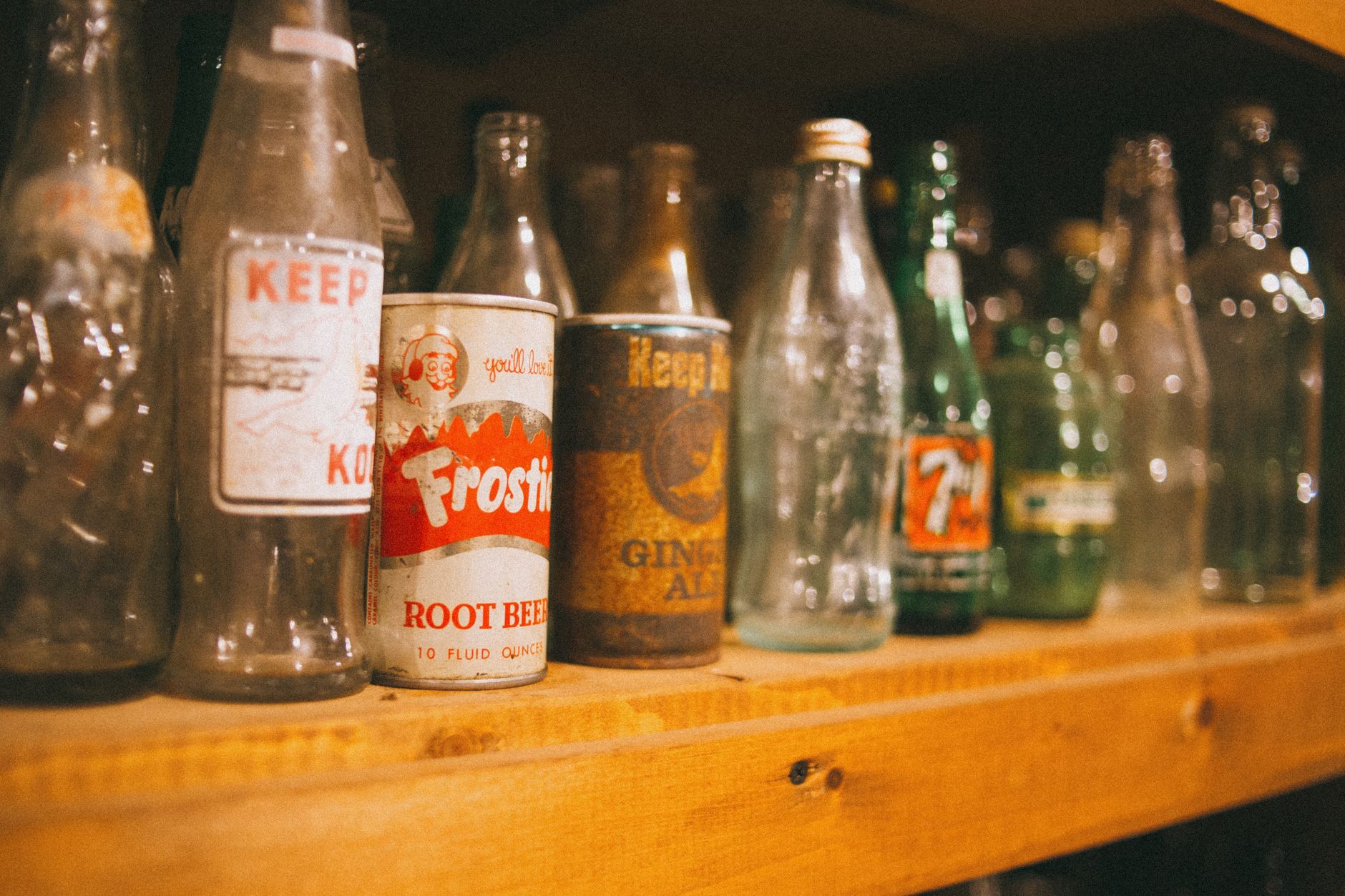
Root beer is a classic American beverage with a rich history that dates back centuries. Many enjoy it as a nostalgic drink, a root beer float, or a unique ingredient in recipes. Knowing the origins and evolution of root beer can enhance your appreciation for this fizzy treat.
This article explores the history, ingredients, uses, and serving ideas for root beer, making it a comprehensive guide for enthusiasts and newcomers alike.
How Old Is Root Beer?
Root beer has been enjoyed for over 200 years, originating in the early 19th century. Its earliest iterations were brewed at home using various herbs and roots, leading to the creation of commercially produced root beers in the late 1800s.
Root beer was first popularized by figures such as Charles Hires in 1876, who marketed it as a medicinal tonic and later as a refreshing beverage. This established root beer as a staple in American culture.
The Origins and Evolution of Root Beer
Root beer’s beginnings can be traced back to indigenous peoples in North America, who brewed herbal concoctions for medicinal purposes. They often used ingredients such as sassafras, sarsaparilla, and various spices.
Colonial settlers adopted these practices and began experimenting with their own recipes, leading to countless variations based on local herbs and spices. By the mid-1800s, the first commercial root beer products were sold, marking the transition from homemade brews to mass production.
Popular Ingredients in Root Beer
Modern root beer is crafted from various ingredients, which can differ by brand and local tradition. Here are some common components:
- Sassafras: The primary flavoring agent that gives root beer its distinctive taste.
- Sarsaparilla: Adds a unique flavor profile and is often associated with traditional root beer.
- Wintergreen: Provides a minty freshness and enhances the beverage’s aromatic quality.
- Vanilla: Often added for a creamy sweetness.
- Molasses, honey, or sugar: Sweeteners that balance the flavors.
The blend of these ingredients creates the rich, complex flavor that root beer aficionados love.
Preparation and Brewing Process
The process of making root beer can be broken down into several key steps:
- Choosing Ingredients: Select your preferred combination of roots, spices, and sweeteners. Common choices are sassafras, sarsaparilla, and wintergreen.
- Extracting Flavors: Boil the roots and spices in water to extract essential oils and flavors. This creates a concentrated root beer base.
- Cooling and Sweetening: Allow the mixture to cool, then add sweeteners to taste.
- Fermentation: To carbonate the root beer naturally, add a small amount of yeast to the cooled mixture and allow it to ferment briefly.
- Bottling: After fermentation, bottle the root beer, making sure to leave space at the top for carbonation.
- Chilling: Refrigerate the bottles to halt fermentation and carbonate the beverage before serving.
Many homebrewers enjoy crafting their own variations using different ingredient combinations. Just remember to monitor fermentation times to avoid overly carbonated messes!
Common Uses of Root Beer
Root beer is a versatile beverage that can be enjoyed in many ways beyond just sipping it straight. Here are some popular uses:
Refreshing Beverage
Root beer can be enjoyed chilled in a glass, poured over ice, or used as a fantastic mixer for cocktails and mocktails. It pairs well with rum for root beer floats and adds a unique twist to various mixed drinks.
Root Beer Floats
A classic combination many cherish is root beer floats. Simply combine root beer with a scoop of vanilla ice cream for a delightful dessert drink. The ice cream adds a creamy texture and balances the drink’s sweetness beautifully.
Cooking and Baking Ingredient
Root beer can add depth and flavor to recipes. It is often used in barbecue sauces, glazes, and marinades due to its distinct sweetness. Additionally, root beer can be incorporated into baked goods like cakes or brownies, lending a unique flavor to desserts.
Homemade Ice Cream and Sorbet
Root beer serves as a perfect base for homemade ice creams or sorbets. Simply mix root beer with heavy cream and sweetener for a delightful treat, or create a refreshing sorbet with root beer and sugar.
Marinades and BBQ Sauces
The robust flavors of root beer make it an excellent ingredient for marinades and barbecue sauces. Its sweetness and unique taste pair well with meats like pork, chicken, and ribs, enhancing flavor profiles while tenderizing the meat.
How to Serve Root Beer
Serving root beer can be an enjoyable experience to share with friends and family. Here are some innovative serving ideas:
Classic Serving Suggestions
Serve root beer chilled in traditional tall glasses or frosted mugs for a nostalgic touch. Garnish with a twist of lemon or maraschino cherry for extra flair.
Root Beer Punch
Create a refreshing punch by combining root beer with fruit juices, such as pineapple or orange juice, and slices of fresh fruit. This makes for a fantastic party beverage.
Root Beer Cocktails
Mix root beer with spirits like whiskey or spiced rum to create flavorful cocktails. Try a simple combination of root beer, rum, and a splash of lime juice for a delicious drink.
Ice Cream Sundae Bar
Set up a root beer float station with various toppings like whipped cream, nuts, and chocolate syrup. This interactive approach engages guests and allows them to customize their floats.
Common Mistakes to Avoid When Making Root Beer
Making root beer at home can be economical and fun, but there are a few pitfalls to be aware of:
- Over-fermentation: Allowing the mixture to ferment too long can lead to overly carbonated bottles, risking the chance of explosion.
- Not cooling before adding yeast: Adding yeast to a hot mixture can kill the yeast, resulting in a flat beverage.
- Not monitoring the sweetness: Sweetness levels will change with fermentation; always taste and adjust before bottling.
- Using too much sassafras: Sassafras contains safrole, which can be harmful in large doses. Use it sparingly or opt for a root beer extract.
Storage and Shelf Life of Root Beer
Commercially produced root beer has a shelf life of about 6-9 months when stored in a cool, dry place. Once opened, it should be consumed within a few days for optimal flavor.
For homemade root beer, store it in a cool, dark place, ideally refrigerated, and consume within a month to ensure freshness and flavor. Be cautious of bottle pressure during storage, as homemade carbonated beverages can build up gas.
Variations of Root Beer
In addition to traditional root beer, there are various other root beer flavors and styles to explore, catering to different palates:
- Non-Caffeinated Options: Many brands now offer caffeine-free variants for those looking to reduce caffeine intake.
- Craft Root Beers: Independent breweries have started to create artisanal versions with unique flavor profiles and ingredients.
- Diet Root Beers: These alternatives provide the classic flavor with fewer calories and sugar, often using artificial or natural sweeteners.
- Root Beer Extracts: Concentrated extracts allow for creating custom beverages without brewing, ideal for those short on time.
Final Thoughts on Root Beer
Root beer is a delightful beverage with a long and fascinating history. Its versatility as both a drink and an ingredient makes it a favorite among food enthusiasts. Whether you’re enjoying a traditional float or experimenting with recipes, root beer offers a nostalgic flavor that never goes out of style.
To embark on your culinary adventure, why not explore what makes molasses so unique, or learn about pilsner as another delightful beverage option?