
Understanding how much wine constitutes one drink is essential for responsible alcohol consumption, particularly for those who enjoy pairing wine with food. Different types of wine have varying serving sizes based on their alcohol content and the context in which they are served, such as a casual dinner or a formal event.
This article will explore standard serving sizes for wine, provide practical tips on how to measure them, and discuss the factors that might influence these measurements. Whether you are hosting a dinner party or simply enjoying a glass at home, knowing how to properly serve and enjoy wine can enhance your experience.
How Much Wine Is One Drink?
A standard drink of wine is generally considered to be 5 ounces (148 milliliters) for most wines, which typically contains around 12% to 14% alcohol by volume (ABV). However, this can vary depending on the type of wine and its alcohol content.
In practice, this means that if you pour yourself a glass, keeping it to 5 ounces would be classified as one drink. Understanding these measurements can help you keep track of your alcohol consumption and enjoy wine responsibly.
Understanding Wine Measurements
Wine is usually categorized based on its style, such as red, white, rosé, and sparkling, and each type may have different serving suggestions. When pouring a drink, proper measurement can mitigate overindulgence. Here’s a closer look at the different serving sizes:
Standard Serving Sizes
- Red Wine: 5 ounces (148 milliliters)
- White Wine: 5 ounces (148 milliliters)
- Rosé Wine: 5 ounces (148 milliliters)
- Sparkling Wine: 4-6 ounces (118-177 milliliters)
Alcohol Content Variations
It’s important to note that some wines may have higher or lower alcohol content, affecting the recommended serving size. For example:
- Wines labeled as “fortified” like Port or Sherry can have alcohol content upwards of 20% ABV, which may warrant a slightly smaller serving size (for health-focusing purposes, perhaps 3-4 ounces).
- Light wines or those labeled “dry” may have lower alcohol content between 9% and 11% ABV, allowing a more generous pour while still being considered a standard drink.
Reason for Standard Measurements
The concept of a “standard drink” was introduced to help individuals gauge their alcohol intake more effectively. Most countries have established guidelines based on these measurements, which are important for responsible drinking, especially during social occasions.
Knowing how much wine constitutes one drink not only helps in personal consumption but also assists hosts in providing appropriate portions during gatherings. This can lead to better social dynamics and ensure guests remain within their limits.
Practical Tips for Measuring Wine
While the standard serving size is a helpful guideline, how can one accurately measure 5 ounces without a measuring tool? Here are some practical tips:
Using a Jigger or Measuring Cup
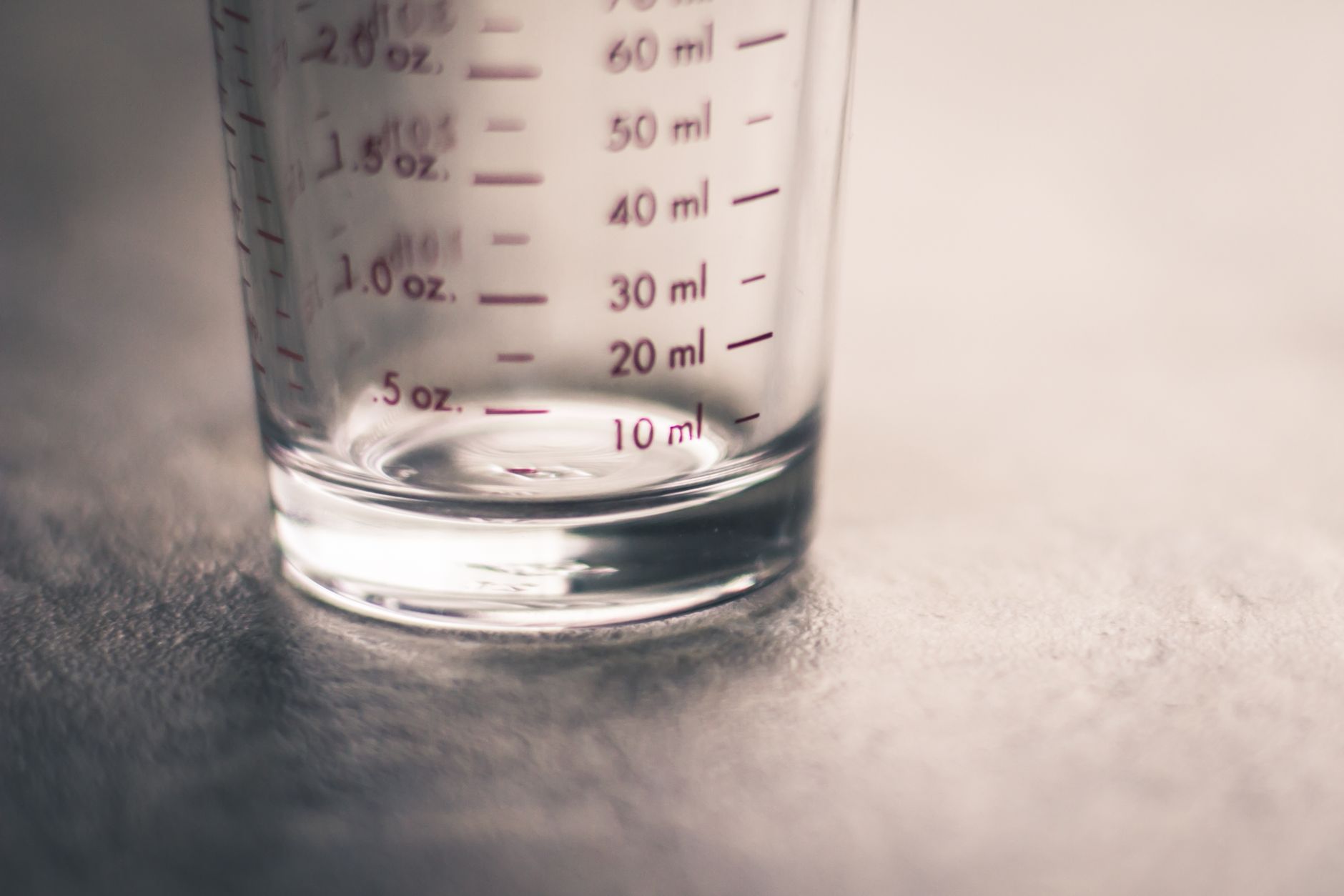
A jigger is a handy tool often used by bartenders to measure alcohol. If you don’t have one, a standard measuring cup can also do the trick. Remember, pouring directly into the glass usually leads to overpouring.
Using Wine Glasses as Guides
Many wine glasses come with measurement indicators on the side, showing the equivalent ounces. If your wine glasses do not contain these markers, aim to fill them to the widest point, typically around 1/3 to 1/2 of the glass.
Pour with Intent
Another useful strategy is to practice pouring. Pour approximately 5 ounces a few times in a measuring cup or jigger and take note of how it feels in the glass. That way, you can develop a more intuitive sense of portion without constantly measuring.
Factors that Influence Wine Serving Sizes
While a 5-ounce serving is a staple, various factors can influence how much wine might be appropriately served:
The Occasion
Casual settings, like a dinner at home, may allow for more generous pours, while formal gatherings might encourage smaller servings to promote moderation and conversation.
The Type of Wine
Light white wines or sparkling wines are often served in smaller portions compared to heavier reds or dessert wines because their flavor profiles and alcohol contents differ.
The State of the Wine
When it comes to premium wines, particularly those that are older or from prestigious regions, a smaller pour might be offered to encourage appreciation of the wine’s complex flavors.
Common Mistakes When Pouring Wine
- Piling the Pour: Overfilling the glass is a common mistake. Aim for about a third of the glass being filled.
- Skipping the Taste: Before pouring, always taste a wine to ensure it’s within its prime and has not gone bad.
- No Room for Swirling: Leave space in the glass to allow aeration. This is essential for enhancing flavors, especially in robust wines.
Pairing Wine with Food
Knowing how to serve wine properly is just as crucial as understanding what it pairs well with. The right wine can elevate a dish, enhancing both the food and wine’s flavors. Here are some general pairing tips based on wine type:
Red Wine Pairings
- Cabernet Sauvignon: Pairs beautifully with red meats and hearty stews.
- Pinot Noir: Great with poultry, salmon, and earthy dishes.
White Wine Pairings
- Chardonnay: Complements creamy sauces and roasted chicken.
- Sauvignon Blanc: Works well with salads and dishes featuring citrus or herbs.
Rosé and Sparkling Pairings
- Rosé: A versatile option that pairs with a variety of foods from seafood to grilled vegetables.
- Sparkling Wine: Ideal for appetizers, salty dishes, and even fried foods.
Creative Wine-Based Cocktails
If you find yourself with leftover wine, why not use it in a cocktail? Here are two ideas to make the most out of any excess:
Wine Spritzer
- Ingredients: 5 ounces of white wine, 2 ounces of club soda, and ice.
- Instructions: In a glass filled with ice, combine white wine and club soda. Stir gently and garnish with a slice of lime.
Red Wine Sangria
- Ingredients: 1 bottle of red wine, 1/4 cup brandy, 1/4 cup orange juice, sliced fruits, and a splash of soda.
- Instructions: Combine all ingredients in a pitcher, refrigerate for a few hours, serve chilled.
Storage Tips for Open Wine Bottles
Once the wine is opened, it must be stored properly to maintain its quality. Here are some handy tips:
- Recork and Refrigerate: After pouring, recork the bottle tightly and store it upright in the refrigerator for red wines or horizontally for sparkling wines.
- Use a Vacuum Pump: This tool removes air from the wine bottle, significantly extending its freshness.
- Finish Within a Few Days: Aim to consume open white or rosé wines within a week and red wines within three to five days for best taste.
Wine Tasting Guidelines
If you are interested in wine tasting, remember a few key practices to enhance the experience:
- Observe: Take a moment to look at the wine and note its color.
- Swirl: Swirl the glass gently to aerate the wine, allowing aromas to release.
- Smell: Take a deep sniff and try to identify different scents.
- Taste: Take a small sip and, if possible, hold it in your mouth to fully appreciate the flavor profile.
Following these guidelines can lead to a more mindful and enjoyable wine-drinking experience, whether at a lively gathering or a quiet evening at home.
To sum up, understanding how much wine equates to one drink is pivotal in practicing responsible consumption. By adhering to the standard serving sizes, using practical measuring techniques, and considering various factors impacting serving sizes, you can enhance both your enjoyment and sophistication while exploring the world of wine.
Explore related recipes, cooking tips, or food guides such as the Espresso Tonic Recipe and learn how to craft unique beverages. Experiment with refreshing drinks like the Gold Rush Cocktail Recipe for enjoyable pairings.