
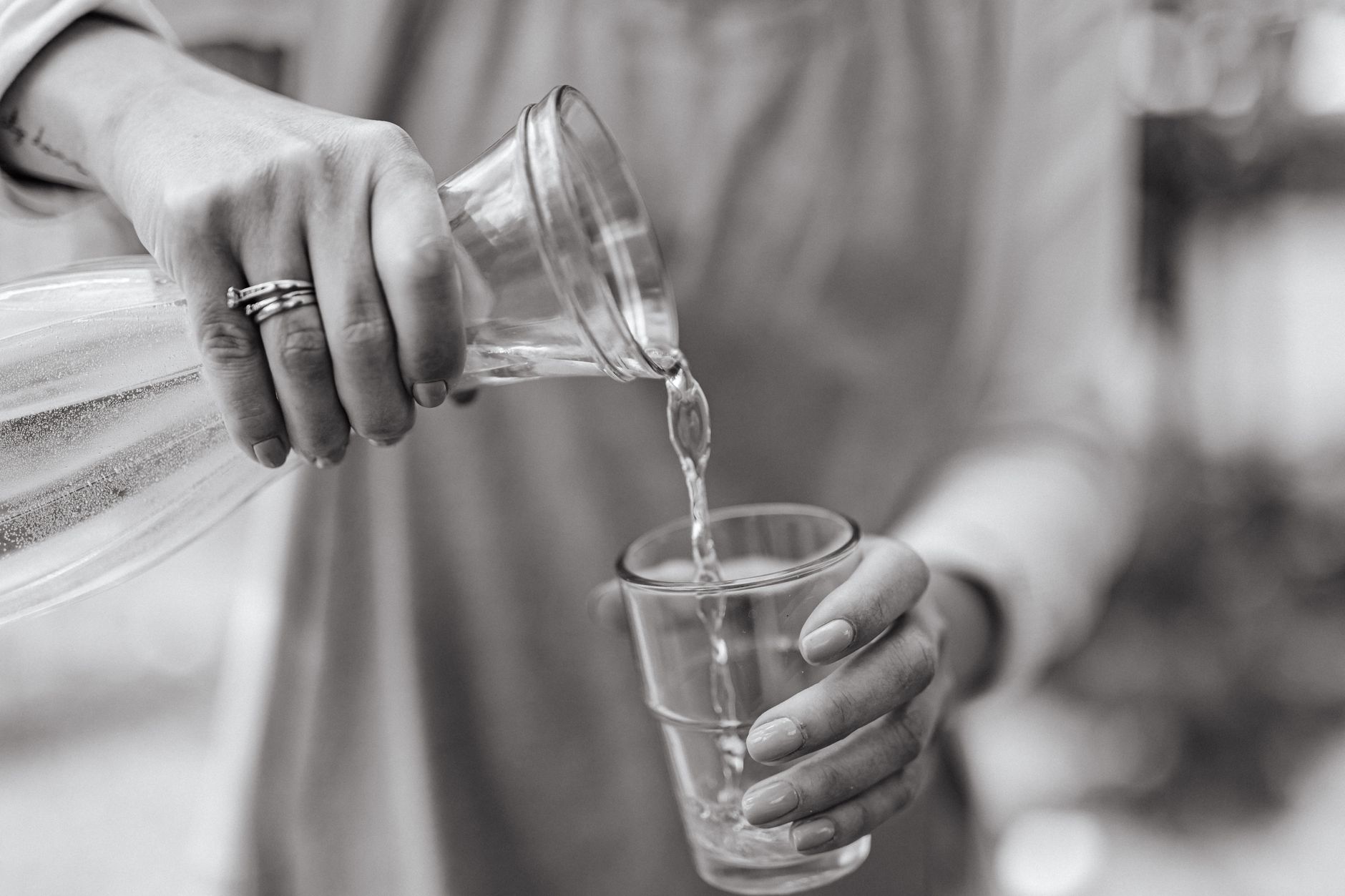
Understanding how much water to drink daily is essential for maintaining good health. This guide will break down the recommended water intake in ounces and help you find practical ways to stay hydrated throughout the day. Whether you’re an athlete, a desk worker, or somewhere in between, knowing your hydration needs can significantly impact your overall energy levels and well-being.
In our busy lives, it’s easy to overlook the importance of water. However, staying adequately hydrated can promote better digestion, improve skin health, and enhance cognitive function. So, how much water should you be drinking every day in ounces? Let’s explore the recommendations and provide tips to ensure you meet your hydration goals.
How Much Water to Drink a Day in Oz?
The recommended daily water intake varies based on several factors, including age, gender, physical activity, and climate. Generally, health authorities suggest an average of 64 ounces (about 1.9 liters) of water a day for the average adult. However, specific needs can vary widely, with some sources suggesting consuming half your body weight in ounces for optimal hydration.
Factors Influencing Water Requirements
Many different factors influence how much water you need each day. Here are some key considerations to keep in mind:
1. Age and Gender
Your body’s water requirements change as you age. Men typically need more water than women due to higher muscle mass. Generally, adult men should aim for approximately 3.7 liters (125 ounces) daily, while women should target around 2.7 liters (91 ounces) daily, which includes all fluids, not just water.
2. Physical Activity
Exercise significantly increases your water needs. Those who work out regularly should consume additional water to replace fluids lost through sweat. A good guideline is to drink 16 to 24 ounces of water for every hour of rigorous exercise.
3. Climate
Your environment plays a crucial role in hydration as well. Hot, humid weather or high altitudes can lead to increased perspiration, meaning you’ll need more water to maintain proper hydration levels.
4. Health Conditions
Certain medical conditions can affect hydration. For instance, infections, fever, or health issues like diabetes increase your need for fluids. If you’re pregnant or breastfeeding, your water intake should also be higher to support your health and your baby’s.
Practical Tips for Staying Hydrated
Knowing how much water to drink is one thing, but maintaining adequate hydration can be a challenge. Here are some practical tips to help you meet your hydration goals:
1. Carry a Water Bottle
Keep a reusable water bottle with you throughout the day. This not only serves as a constant reminder to drink but also makes it convenient to consume water anytime, anywhere.
2. Set Reminders
Use your phone to set reminders to drink water at regular intervals. Many apps are available to track daily water intake—a great way to stay accountable and ensure you’re reaching your goals.
3. Flavor Your Water
If you struggle to drink enough plain water, consider adding flavors. Slices of citrus fruits, cucumbers, or berries can make drinking water more enjoyable without adding significant calories.
4. Include Hydrating Foods
Many fruits and vegetables have high water content and can contribute to your daily hydration. Watermelon, cucumbers, oranges, and strawberries are great options.
5. Monitor Your Urine
A simple way to assess your hydration status is to monitor the color of your urine. Light yellow usually indicates proper hydration, while darker shades suggest that you need to drink more.
Hydration and Diet: The Importance of Balance
While drinking water is essential, it’s equally important to tailor your diet to enhance hydration. Certain foods can help improve your hydration status, allowing you to maintain optimal health effectively. Here’s how to balance your diet with your hydration needs:
1. Foods with High Water Content
Fruits and vegetables rich in water add to your overall fluid intake. Aside from those already mentioned, consider leafy greens, bell peppers, and tomatoes, which are all high in water content.
2. Electrolyte Balance
Your body needs more than just plain water—it also requires electrolytes to replace what you lose through sweat and urine. Foods rich in potassium, sodium, and magnesium, such as bananas, avocados, and nuts, can aid in maintaining that balance.
3. Limit Dehydrating Beverages
Certain drinks like caffeinated beverages and alcohol can lead to dehydration. While it’s fine to enjoy these in moderation, be mindful of your total fluid intake and balance them with additional water consumption.
Common Myths About Hydration
There are many misconceptions about hydration, so it’s essential to clarify some common myths:
1. You Need Eight 8-Ounce Glasses Daily
The traditional advice to drink “eight 8-ounce glasses” isn’t a one-size-fits-all approach. Depending on the factors we discussed earlier, individual needs can vary. Listen to your body and adjust accordingly.
2. Thirst is the Only Indicator
While thirst is a reliable indicator of your need for water, it should not be the sole measure. As you age, your sense of thirst may diminish, so proactive hydration is important, especially for older adults.
3. Clear Urine Equals Overhydration
Although clear urine often indicates good hydration, milky or very pale urine can sometimes suggest overhydration. Moderation is vital, and maintaining a light yellow is optimal.
Conversion Units: Understanding Ounces and Liters
It’s helpful to know how to convert water measurements between ounces and liters to tailor your intake. Here are the key conversions you need:
| Ounces | Liters |
|---|---|
| 8 ounces | 0.24 liters |
| 16 ounces | 0.47 liters |
| 32 ounces | 0.95 liters |
| 64 ounces | 1.89 liters |
| 128 ounces | 3.78 liters |
To put it into perspective, if you’re aiming for 64 ounces a day, that’s approximately 1.89 liters—roughly half of the standard amount recommended for an adult.
Practical Water Goals: Daily Intake Breakdown
Breaking down your hydration goals into manageable amounts can make it easier to reach your daily target.
1. Start Your Day with Water
Drink a glass (8 ounces) of water first thing in the morning to kickstart your hydration after a night of sleep. This sets a positive tone for the day.
2. Water with Meals
Make it a habit to have a glass of water (8 ounces) with every meal. This not only aids digestion but also helps you reach your goal gradually.
3. Hydration During Activities
If you’re active, aim to drink around 8 ounces of water every 30 minutes of exercise. This could mean an additional glass or two, depending on the duration and intensity of the activity.
4. Hydrate with Snacks
Drink water during snack times or incorporate water-rich snacks. If you have a habit of snacking while watching TV, keep a glass of water nearby.
Tracking Your Hydration Progress
Tracking your water intake can help ensure you’re staying on target. Here are a couple of practical methods:
1. Use a Water Intake App
Many mobile apps are available to track your daily water consumption. These can help you set goals, remind you to drink, and visually show your hydration progress over time.
2. Mark Your Water Bottle
If you prefer the analog method, mark the side of your water bottle with measurements. This allows you to visually track your intake throughout the day, ensuring you’re consistently reaching your goal.
Recognizing Dehydration Symptoms
It’s important to listen to your body and recognize signs of dehydration. Common symptoms include:
- Thirst
- Dark-colored urine
- Dry mouth and lips
- Dizziness or lightheadedness
- Fatigue or sluggishness
- Headaches
In more severe cases, dehydration can lead to symptoms such as rapid heartbeat, confusion, and fainting. If you experience any of these symptoms, it’s critical to rehydrate quickly.
Rehydration Strategies
When rehydrating after feeling dehydrated, consider the following strategies:
1. Drink Water Gradually
Instead of chugging large amounts of water at once, sip small amounts. This approach allows your body to absorb fluids more efficiently without overwhelming your system.
2. Replenish Electrolytes
If dehydration was due to intense exercise or heat, consider consuming electrolyte-replenishing drinks or adding a pinch of salt to your water. This helps restore the balance of sodium, potassium, and other electrolytes lost through sweat.
Conclusion
Understanding how much water to drink daily is not only a means of supporting your overall health but an important lifestyle habit. With the right knowledge and practical tips, you can create a routine that supports optimal hydration. Always listen to your body and make adjustments based on your unique needs and circumstances.
For more tips on hydration and nutrition, explore our recipes and suggestions like our Chia Pudding Recipe with Coconut Milk or learn about how many cups of water for cooking rice. Your hydration journey is just the beginning of nurturing your well-being!