
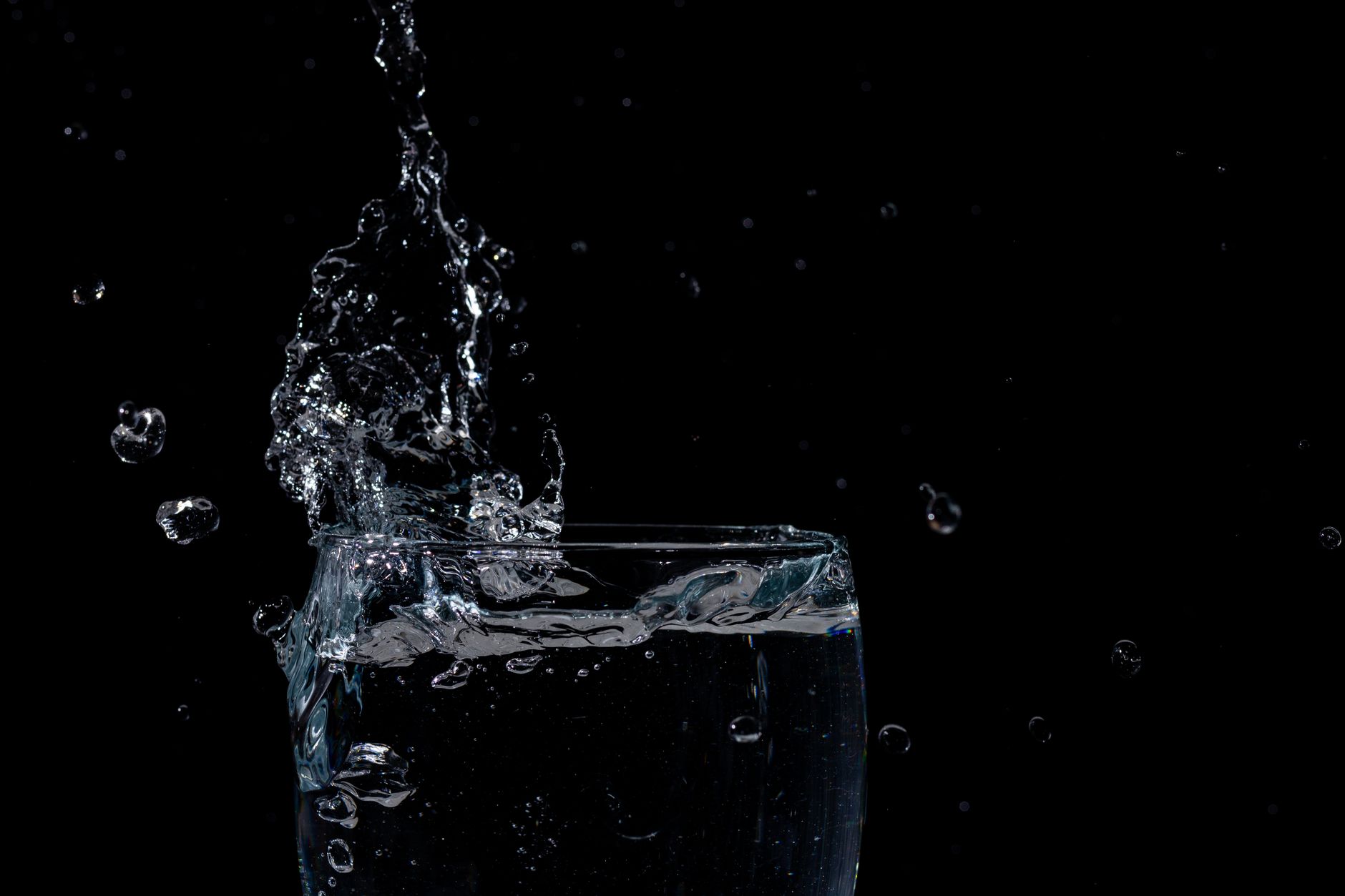
Water is an essential component of our daily lives, often overlooked amidst busy schedules and the myriad of beverage choices available. It plays a critical role in almost every bodily function and maintaining our overall health. Yet, one common question arises: how much water should you drink a day?
The answer can vary based on several factors, including activity level, climate, and individual health needs. This guide will explore recommendations for daily water intake, practical tips on how to ensure proper hydration, and insights into how hydration enhances cooking and meal preparation.
How Much Water Should You Drink a Day?
The general guideline for daily water intake is about 8 to 10 cups (64 to 80 ounces) for most adults. However, individual needs can differ significantly, with women typically needing around 2.7 liters (91 ounces) and men about 3.7 liters (125 ounces) per day, taking into account all fluids consumed.
Factors that influence your personal water needs include:
- Activity Level: More active individuals require additional water to replace fluids lost through sweat.
- Climate: Hot or humid weather increases sweat production, necessitating higher fluid intake.
- Diet: Foods with high-water content (like fruits and vegetables) can contribute to hydration, while salty and caffeinated foods may lead to dehydration.
- Health Conditions: Certain health issues, like diabetes or fever, may require you to increase your fluid intake.
Understanding Hydration Needs
Understanding the nuances of hydration can make all the difference in your health and wellness. Here are key points to keep in mind:
1. Listen to Your Body
Your body has a built-in signaling system to indicate thirst. Pay attention to these cues, as they can help you determine when you need to hydrate.
2. Color of Urine as an Indicator
A simple way to check your hydration status is by looking at the color of your urine. Pale yellow indicates good hydration, while dark yellow can signify a need for more fluids.
3. Monitoring Fluid Loss
If you’re engaging in exercise or outdoor activities, be aware of how much water you’re losing through sweat. A practical rule is to drink about 2 to 3 cups of water for every hour of physical activity.
4. Consider Age and Gender
Age and gender play a role in hydration needs as well. Women generally have higher fat composition than men, which leads to slightly different hydration needs.
Strategies to Increase Daily Water Intake
Here are several effective strategies to help you drink more water throughout the day:
1. Carry a Reusable Water Bottle
Having a water bottle on hand increases the likelihood of drinking more water. Consider one that holds a good amount of liquid and is easy to carry.
2. Set Reminders
Use your smartphone or computer to set hourly reminders to take a sip of water. Many hydration apps are available that can help track your intake as well.
3. Flavor Your Water
If plain water doesn’t excite you, flavor it with fresh fruits like lemon, berries, or cucumber. This not only adds taste but also provides additional nutrients.
4. Drink Before Meals
Make a habit of drinking a glass of water before each meal. Not only will this contribute to hydration, but it may also assist in portion control and digestion.
5. Use a Measuring Cup
Measuring your water intake can help you stay aware of how much you’re consuming. Try pouring your desired daily amount into a pitcher and refilling your glass throughout the day.
Hydration in Cooking and Meal Preparation
Staying hydrated is crucial not just for health, but also for cooking. Proper hydration can enhance your cooking experience in various ways:
1. Cooking Techniques Requiring Water
Many cooking methods depend on water, such as steaming, boiling, and cooking grains. Understanding how much water is needed can improve the outcome of your recipes. For example:
- Boiling Pasta: The general rule is to use about 1 quart (4 cups) of water for every 100 grams of pasta for optimal cooking.
- Cooking Rice: Different types of rice have varying water requirements, often around 1.5 to 2 cups of water for every cup of rice.
2. Hydrating Ingredients
Many ingredients have high water content, which can help with hydration while cooking. Incorporate more of these into your meals:
- Fruits: Watermelon, oranges, and cucumbers are great hydrating snacks.
- Vegetables: Vegetables such as spinach, zucchini, and celery can also add hydration to your meals.
3. Soups and Broths
Soups can be hydrating and nourishing. They can incorporate various vegetables and grains, making them a comprehensive meal that supports hydration. Consider making a simple vegetable soup:
- Start by sautéing onions and garlic in a pot.
- Add chopped vegetables (such as carrots, celery, and spinach) and sauté briefly.
- Pour in vegetable broth (enough to cover the vegetables) and bring to a boil.
- Simmer until the veggies are tender.
- Season with salt, pepper, and herbs as desired, then serve hot!
Practical Tips to Ensure Proper Hydration
Here are some additional tips to consider for staying adequately hydrated:
1. Monitor Caffeine and Alcohol Intake
Both caffeine and alcohol can act as diuretics, which may lead to increased urine output and potential dehydration. Balance your intake with water to counteract their effects.
2. Hydration During Workouts
When exercising, ensure you are replenishing fluids lost through sweat. Sports drinks can also be beneficial for longer workouts, but water is typically sufficient for shorter periods.
3. Adjust for Health Status
If you have specific health conditions or are pregnant or nursing, consider consulting a healthcare professional for personalized hydration recommendations.
4. Use a Hydration Reminder App
Several smartphone apps can help track your water consumption and send reminders to encourage regular intake. Explore different options to find what works best for you.
Conclusion
Understanding how much water you should drink each day and exploring ways to enhance your hydration can significantly impact your health and well-being. Incorporating water-rich ingredients into your cooking and monitoring your fluid intake are practical strategies to stay hydrated.
To take your culinary skills further, consider experimenting with our Chia Pudding Recipe or learning how many cups of water for 1 cup of rice with our guide at Water for Rice. Enjoy hydration and happy cooking!