
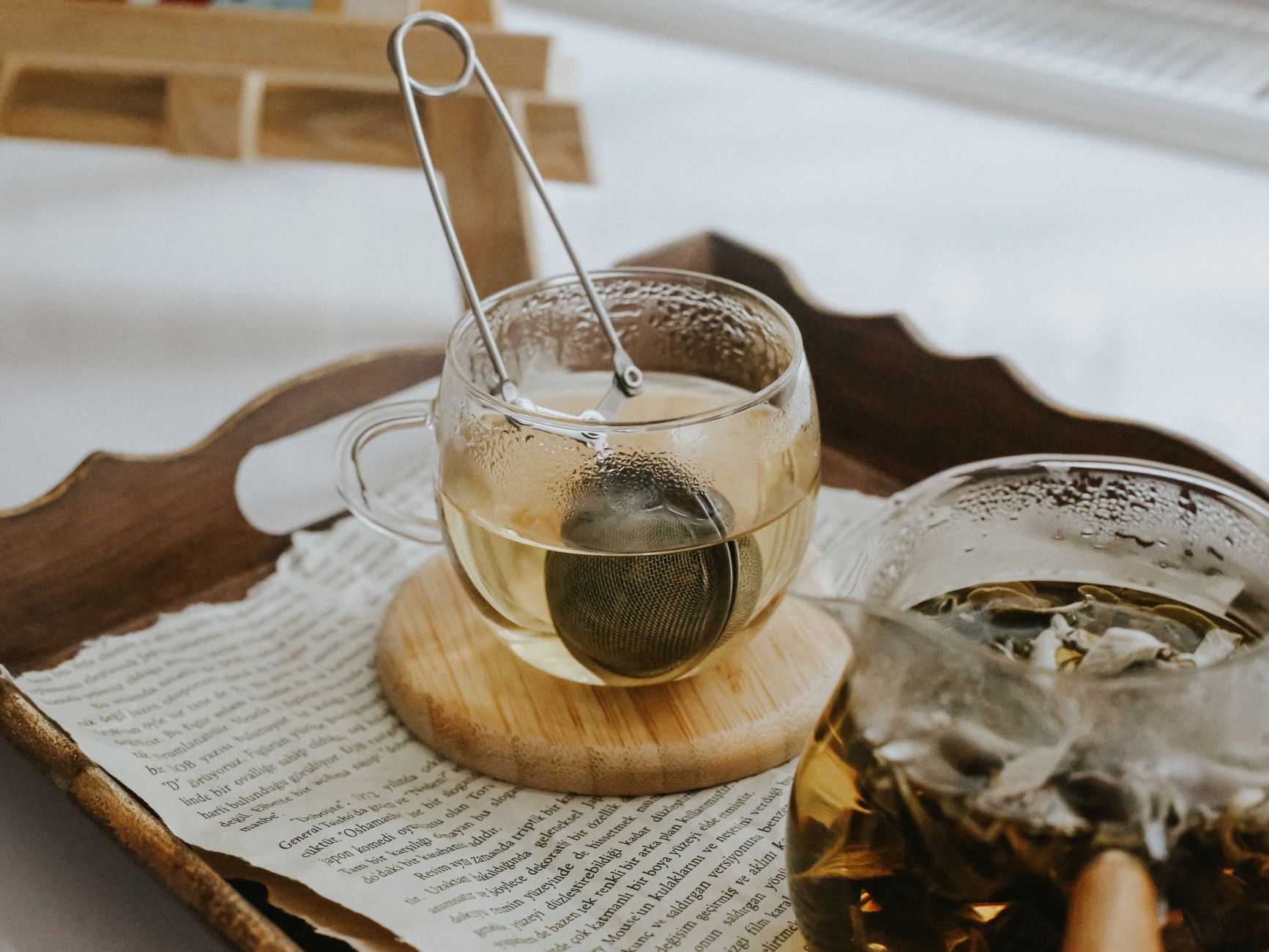
Tea, a beloved beverage worldwide, offers warmth, comfort, and a plethora of flavors. The perfect cup of tea hinges on using the right quantity of tea leaves per cup, which can vary based on the type of tea and personal preference. Understanding this can significantly elevate your tea-drinking experience.
This guide delves into how much tea leaves to use per cup, allowing you to brew a delightful cup every time. Accuracy in measuring tea leaves not only affects the flavor but also the aroma and overall enjoyment of your tea.
How Much Tea Leaves Per Cup?
The amount of tea leaves you should use for each cup typically ranges from 1 to 2 teaspoons, depending on the type of tea being brewed. Loose-leaf teas generally require more leaves than tea bags, as the leaves need room to expand and release their flavors. Ultimately, your personal taste preference plays a critical role.
Understanding Tea Types and Their Measurements
Different types of tea come with varying flavor profiles, strengths, and recommended measurements. Below are some of the most popular types of tea and general guidelines for how much to use per cup.
1. Black Tea
- Quantity: 1 to 2 teaspoons (2 to 4 grams) per 6 ounces of water
- Description: Black tea is robust and bold, often forming a rich, dark brew. It is fully oxidized and generally has higher caffeine content compared to other teas.
2. Green Tea
- Quantity: 1 to 1.5 teaspoons (2 to 3 grams) per 6 to 8 ounces of water
- Description: Green tea is more delicate than black tea, providing a fresh and grassy flavor. It is minimally oxidized, which preserves its green color and antioxidant properties.
3. White Tea
- Quantity: 1 to 2 teaspoons (2 to 4 grams) per 8 ounces of water
- Description: White tea is light and subtle, with soft floral notes. This tea is the least processed, made from young tea buds and leaves.
4. Oolong Tea
- Quantity: 1 to 2 teaspoons (2 to 4 grams) per 6 to 8 ounces of water
- Description: Oolong tea falls between black and green tea, often with a complex flavor profile that can be floral, fruity, or creamy.
5. Herbal Tea
- Quantity: 1 to 2 teaspoons (2 to 4 grams) per 8 ounces of water
- Description: Herbal teas, which are technically not “tea” since they do not come from the Camellia sinensis plant, offer diverse flavors from various herbs, spices, and fruits.
6. Rooibos Tea
- Quantity: 1.5 to 2 teaspoons (3 to 5 grams) per 8 ounces of water
- Description: Rooibos is a caffeine-free herbal tea with a naturally sweet, nutty taste. It is native to South Africa and often enjoyed with milk.
Measuring Tea Leaves Accurately
Getting the measurement correct is key to brewing the perfect cup of tea. Here are practical tips for measuring tea leaves.
1. Using a Standard Teaspoon
A standard teaspoon holds approximately 2 to 3 grams of loose tea leaves, which can guide your measurements. If you don’t have a scale handy, using the standard teaspoon measurement is an excellent starting point.
2. Weighing Tea Leaves
For the most accuracy, consider using a digital kitchen scale. The scale should be set to grams, and you can weigh your tea leaves directly or use a small bowl to weigh the leaves and then subtract the weight of the bowl.
3. Tea Scoop
Tea scoops are specifically designed for measuring tea leaves. They come in various sizes, allowing you to choose one that contains your desired amount of tea.
Factors Influencing the Quantity of Tea Leaves
Several factors can affect how much tea you should use:
1. Personal Preference
Your taste greatly influences how much tea you wish to use. If you enjoy a stronger flavor, you can increase the amount of tea leaves, while lighter preferences will require less.
2. Type of Tea
As mentioned, each type of tea has different flavor profiles and strengths. For instance, certain black teas might taste bolder and require fewer leaves compared to lighter green teas.
3. Steeping Time
The steeping time also affects the flavor extraction. Longer steeping times, especially for stronger teas, may require less leaves to avoid overpowering flavors. Conversely, shorter steeping times may need more leaves.
Brewing Temperature and Time
The temperature of the water and the steeping time are equally critical in perfecting your cup of tea. Here are some guidelines based on the type of tea:
| Type of Tea | Water Temperature | Steeping Time |
|---|---|---|
| Black Tea | 200°F (93°C) | 3 to 5 minutes |
| Green Tea | 175°F (80°C) | 2 to 3 minutes |
| White Tea | 160°F (71°C) | 4 to 5 minutes |
| Oolong Tea | 190°F (88°C) | 4 to 7 minutes |
| Herbal Tea | 200°F (93°C) | 5 to 7 minutes |
| Rooibos Tea | 200°F (93°C) | 5 to 7 minutes |
Brewing Techniques for Perfect Tea
Now that you know the measurements, let’s explore some popular brewing techniques to enhance your tea experience.
1. Traditional Infusion
- Measure out the recommended amount of tea leaves.
- Bring fresh, filtered water to the appropriate temperature.
- Add tea leaves to a teapot or infuser.
- Pour hot water over the leaves.
- Cover and steep for the recommended time.
- Strain the leaves (if using loose tea) and serve.
2. Cold Brewing
Cold brewing tea is a refreshing alternative, especially during hot months.
- Measure out 1.5 to 2 teaspoons of loose tea per cup of cold water.
- Add tea leaves directly to a pitcher of cold water.
- Refrigerate and steep for 6 to 12 hours, depending on your flavor preference.
- Strain the leaves and enjoy cold.
3. Japanese Gyokuro Preparation
Gyokuro is a special type of green tea known for its unique preparation method.
- Use 1 teaspoon of Gyokuro per 2 ounces of water.
- Heat water to 140°F (60°C).
- Pour the water over the leaves and steep for 2 minutes.
- Subsequently, pour off the liquid and serve in small cups.
Common Mistakes to Avoid in Tea Brewing
Even experienced tea drinkers make mistakes. Here are some to watch out for:
1. Not Using Fresh Water
Always use fresh, cold water for boiling. Previously boiled water can result in stale-tasting tea.
2. Oversteeping
Steeping tea for longer than the recommended time may lead to bitterness, particularly with green and black teas.
3. Using Poor Quality Tea
The quality of tea leaves can greatly influence the final taste. Opt for high-quality loose-leaf teas whenever possible.
4. Ignoring Water Temperature
Using water that is too hot can scald delicate tea leaves, while water that is too cool may not extract enough flavor.
Storage Tips for Tea Leaves
Proper storage helps maintain the freshness of tea leaves. Here’s how to keep them in optimal condition:
- Store tea leaves in airtight containers to minimize exposure to air and moisture.
- Keep tea away from light, heat, and strong odors that can affect flavor.
- Avoid storing tea in the refrigerator, as humidity can interact negatively with the leaves.
Conclusion
Perfecting your tea brewing technique relies on understanding the right amount of tea leaves per cup, the correct steeping times, and the proper water temperature. By taking the time to measure accurately and be mindful of the factors influencing the flavor, you can enjoy exceptional tea experiences at home.
For a refreshing beverage, consider trying a clove tea recipe next, or learn about chai tea caffeine levels to find the ideal choice for your next cup.