
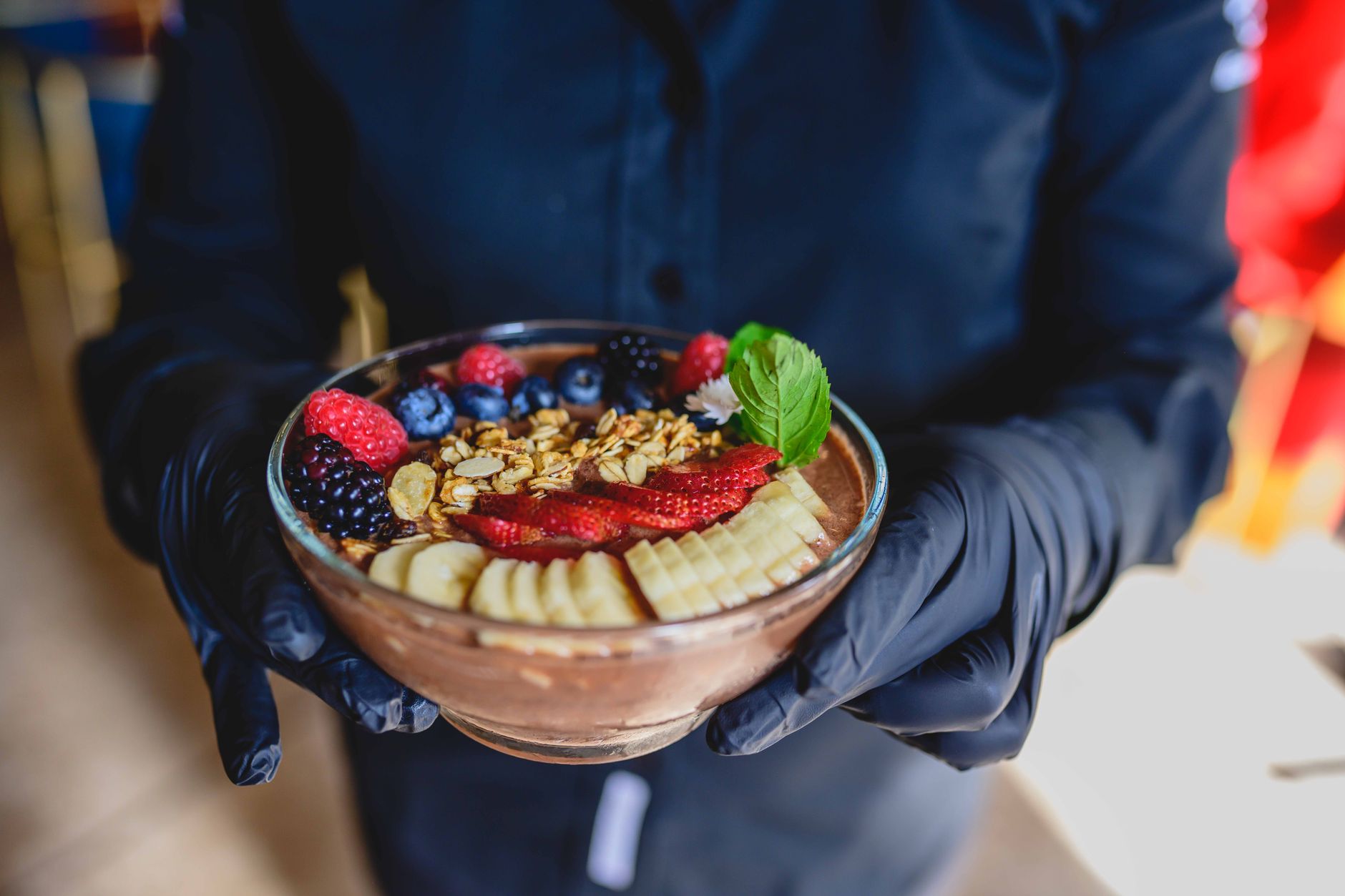
Acai bowls have surged in popularity as a healthy breakfast or snack option, often touted for their vibrant purple color and rich flavor. However, many people are curious about the nutritional content of these trendy bowls, particularly the sugar content. Understanding how much sugar is present in an acai bowl can help you make informed dietary choices.
In this article, we will explore the sugar content in acai bowls, break down common ingredients, and discuss portion sizes and nutritional information. This guide aims to provide clarity for anyone looking to enjoy acai bowls while keeping their sugar intake in check.
How Much Sugar in Acai Bowl?
The sugar content in an acai bowl can vary widely based on the ingredients used, particularly the type of acai puree and any additional sweeteners or toppings. On average, a typical acai bowl can contain between 15 to 30 grams of sugar per serving. This includes naturally occurring sugars from fruits, as well as any added sugars from sweeteners like honey, agave syrup, or granola.
Understanding Acai and Its Sugar Content
Acai berries, harvested from the acai palm tree native to Central and South America, are the primary ingredient in acai bowls. These berries are often used in a frozen or pureed form. Naturally, acai berries have a low sugar content, with around 0.5g of sugar per gram of acai. However, the sugar content can change based on processing methods.
Types of Acai Bowl Base
When creating an acai bowl, the base generally consists of acai puree, which is often blended with other fruits or sweeteners. Here are some common options:
- Acai Puree: Commercially prepared acai puree or frozen packets often contain added sugars. Check the label to know how much sugar is included.
- Bananas: Often added for natural sweetness and creaminess, bananas have about 14g of sugar each.
- Berries: Strawberries, blueberries, and other berries can enhance sweetness while being relatively low in sugar compared to other fruits.
- Coconut Water or Milk: Used to blend the acai, these can add naturally occurring sugars.
- Sweeteners: Honey, maple syrup, or agave syrup can add significant sugar depending on the quantity used.
Portion Sizes and Typical Ingredients
An acai bowl’s nutrition typically depends on the portion size and the ingredients you choose. The standard serving size for an acai bowl is generally around 200 to 300 grams, including the acai base and toppings. Most acai bowls include various toppings that can alter the sugar content, such as:
- Granola: Often a favorite topping, though it can be high in added sugars, it’s important to read labels.
- Fresh Fruits: Sliced bananas, strawberries, kiwis, or mangoes add not only sweetness but also nutritional value.
- Nuts and Seeds: Almonds, chia seeds, and coconut flakes contribute healthy fats, though they don’t add sugar.
Estimating Sugar Content by Portions
If you were to calculate the sugar content of a standard acai bowl made with a frozen acai packet and common toppings, it may look something like this:
- 1 frozen acai packet (100g): approximately 2g of sugar
- 1 banana (100g): approximately 14g of sugar
- 1/2 cup granola (30g): approximately 8g of sugar (variable based on brand)
- 1/2 cup strawberries (75g): approximately 6g of sugar
- Total: approximately 30g of sugar
This breakdown illustrates how easily the sugar content can add up, especially with added sweeteners and toppings. It’s essential to be mindful of portion sizes and the types of ingredients you include.
Nutrition Profile of an Acai Bowl
Beyond sugar, acai bowls can possess a variety of nutritional benefits depending on their ingredients. Here’s a closer look at what makes up a typical acai bowl:
Common Nutritional Benefits
- Antioxidants: Acai berries are rich in antioxidants known to combat oxidative stress.
- Fiber: Toppings such as fruits and chia seeds add dietary fiber, aiding digestion.
- Healthy Fats: Nuts and seeds contribute healthy fats, which are essential for absorbing fat-soluble vitamins.
- Vitamins and Minerals: Depending on the fruits and toppings used, these bowls can offer various vitamins such as C and A, along with minerals like potassium.
Practical Tips for Managing Sugar in Acai Bowls
If you want to enjoy acai bowls while keeping your sugar intake in check, consider these practical tips:
1. Choose Unsweetened Acai Puree
Head to your local grocery store or health food shop and look for unsweetened acai puree or frozen packets. Many brands add sugar during processing; opting for unsweetened versions maintains a lower sugar count.
2. Opt for Fresh or Frozen Fruits
Using fresh or frozen fruits rather than fruit toppings that may come with added sugars can greatly reduce overall sugar content. Fresh strawberries, raspberries, or kiwi can enhance the flavor without heavily increasing sugar levels.
3. Limit Added Sweeteners
If you typically sweeten your acai bowl, consider cutting back or using natural sweeteners in moderation. You can also experiment with flavors rather than relying on sugar; for instance, adding vanilla extract can enhance sweetness perception without the sugar.
4. Be Mindful of Toppings
Granola can be delightful, but it’s also easy to consume more sugar than expected since many products are loaded with added sweeteners. Look for low-sugar or unsweetened granola options or even consider replacing it with seeds or nuts, which typically have little to no sugar.
5. Control Portion Sizes
Enjoying smaller portions can help keep your sugar intake in check while still allowing you to satisfy your craving for acai. A smaller bowl can be equally fulfilling, especially when filled with a variety of colorful toppings.
Common Mistakes When Making Acai Bowls
1. Overusing Sweeteners
2. Ignoring Ingredient Labels
Not all granolas, fruit purees, or premade toppings are created equal. Always check labels to understand sugar content better and choose options that align with your dietary goals.
3. Overloading on Toppings
How to Enjoy Your Acai Bowl
1. Pair It with Protein
2. Experiment With Flavors
3. Make It a Meal
Storage and Meal Prep Tips
1. Prepare Acai Base Ahead of Time
2. Store Toppings Separately
3. Avoid Freezing Complete Bowls
Final Thoughts on Acai Bowls
Next time you experience a craving for an acai bowl, keep these tips in mind to have a delicious and nourishing treat that fits your dietary needs.
To learn more about acai bowls, you might enjoy exploring these recipes and guides: Strawberry Acai Refresher Recipe and Is Acai Bowl Healthy?.