
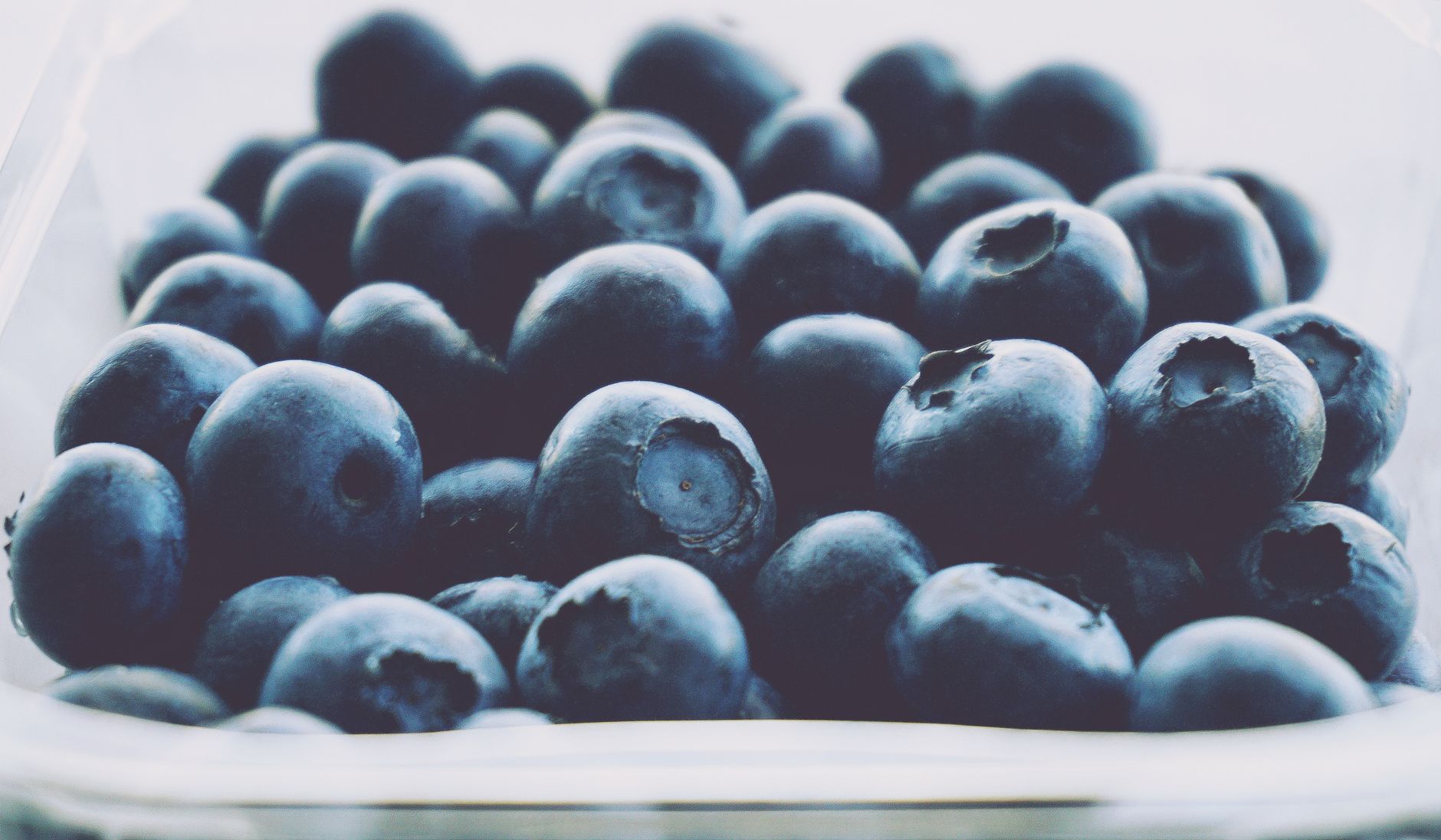
Blueberries are often praised for their vibrant color and health benefits, but how much sugar do they actually contain? This question helps to clarify their place in a healthy diet, especially for those monitoring their sugar intake. Understanding the sugar content in blueberries can also aid in meal planning and creating balanced recipes.
This article delves into the sugar content in blueberries, their nutritional value, serving sizes, and tips on how to incorporate these delicious berries into your meals without exceeding your sugar limits.
How Much Sugar Do Blueberries Have?
Fresh blueberries contain about 10 grams of sugar per 100 grams (approximately 3.5 ounces). This content can vary slightly depending on ripeness and variety, but they generally fall within this range. Given their sweet and tart flavor, blueberries are a popular fruit choice that many enjoy.
Nutritional Profile of Blueberries
In addition to sugar content, it’s essential to look at the overall nutritional profile of blueberries. They are not just a source of sugar; they also provide several vitamins, minerals, and beneficial compounds. Here’s a breakdown of what you can expect:
- Calories: About 57 calories per 100 grams
- Carbohydrates: 14.5 grams
- Fiber: 2.4 grams
- Protein: 0.7 grams
- Fat: 0.3 grams
- Vitamin C: 16% of the Daily Value (DV)
- Vitamin K: 19% of the DV
- Manganese: 25% of the DV
- Antioxidants: Rich in antioxidants, such as anthocyanins
Portion Sizes: How Many Blueberries in a Serving?
Knowing the typical serving size for blueberries can help you manage your sugar intake effectively. The standard serving size is approximately 150 grams, which equates to about 1 cup of fresh blueberries. In this portion, you can expect:
- Sugar: Around 15 grams
- Calories: Approximately 85 calories
- Fiber: About 3.6 grams
Adjusting Portions
Depending on your dietary needs, you may want to adjust your serving size of blueberries. For example, those on a lower-sugar diet might opt for a smaller portion, such as half a cup (75 grams), which contains about 7.5 grams of sugar. Listening to your body and understanding your nutritional goals will guide you in managing your serving size effectively.
Health Benefits of Blueberries
Beyond their sweetness, blueberries offer numerous health benefits. Their low-calorie count combined with high nutrient content makes them an excellent addition to various diets. Some of the key health benefits include:
- Rich in Antioxidants: Blueberries are known for their high level of antioxidants, which can help combat oxidative stress and inflammation.
- Heart Health: Consumption of blueberries is linked to improved heart health by reducing blood pressure and cholesterol levels.
- Cognitive Function: Some studies suggest that blueberries can enhance memory and brain function, making them a smart snack for all ages.
- Supporting Digestive Health: The presence of dietary fiber aids in digestion and promotes gut health.
Incorporating Blueberries into Your Diet
Integrating blueberries into meals and snacks is straightforward due to their versatile nature. Here are some popular ways to enjoy blueberries while keeping their sugar content in mind:
Breakfast Options
- Overnight Oats: Mix rolled oats with yogurt, almond milk, and a half-cup of blueberries. Add nuts or seeds for added texture and protein.
- Smoothies: Blend blueberries with spinach, banana, and unsweetened almond milk for a nutrient-rich breakfast drink.
- Pancakes: Add blueberries directly into pancake batter for a sweet and colorful twist.
Snacks and Desserts
- Yogurt Parfait: Layer Greek yogurt with blueberries and a handful of granola for a satisfying snack.
- Fruit Salad: Combine blueberries with other fruits like strawberries and kiwi for a refreshing option.
- Homemade Sorbet: Puree blueberries and freeze for a simple sorbet that’s lower in sugar than traditional options.
Lunch and Dinner Dishes
- Salads: Toss blueberries into green salads for a pop of color and flavor. Pair them with goat cheese and walnuts for an added gourmet touch.
- Glazes and Sauces: Cook down blueberries with balsamic vinegar and honey to create a delicious glaze for meats such as chicken or pork.
Common Misconceptions About Blueberries
There are several myths surrounding blueberries and sugar content that are worth clarifying:
- All Fruits Are Equal: Some believe that all fruits contain the same sugar levels. In reality, berries like blueberries typically have lower sugar than many tropical fruits.
- Processed vs. Fresh: It’s essential to distinguish between fresh blueberries and processed products, such as blueberry jams or syrups, which often contain added sugars.
Storage and Preservation of Blueberries
Properly storing blueberries ensures prolonged freshness and flavor:
Refrigeration
Store fresh blueberries in the refrigerator in a breathable container, such as a produce basket or clamshell. Do not wash them until you’re ready to eat, as dampness can lead to mold. Fresh blueberries are best consumed within one to two weeks.
Freezing
If you’re looking to store blueberries for longer, freezing is an excellent option. Here’s how to do it effectively:
- Rinse the blueberries under cold water and remove any stems.
- Pat them dry with a clean towel.
- Spread them in a single layer on a baking sheet lined with parchment paper.
- Freeze for a few hours until solid, then transfer to an airtight freezer bag.
- Label the bag with the date and store in the freezer for up to six months.
Blueberries and Diets
Many dietary plans consider the sugar content of foods. Here’s how blueberries fit into popular dietary preferences:
Keto Diet
Those following a keto diet may limit their fruit intake due to carbohydrate and sugar counts. Blueberries, while they do contain sugar, can still fit within a controlled serving, as their fiber content helps mitigate sugar spikes.
Paleo Diet
The paleo diet allows for fruits, including blueberries, due to their natural occurrence. Just be mindful of portion sizes to keep sugar levels in check while enjoying their benefits.
Diabetic Diet
For individuals with diabetes, blueberries can still be a delicious option. Their low glycemic index makes them a better choice compared to many other fruits, yet portion control remains crucial.
Common Mistakes When Consuming Blueberries
While blueberries are a healthy addition, certain missteps can affect their benefits:
Neglecting Portion Control
Easily consumed in larger quantities, be cautious to remain aware that the sugar can add up, especially in smoothies or desserts.
Relying Solely on Processed Products
Products such as blueberry muffins or smoothies may be convenient, but they often come with added sugars. Opt for whole, fresh blueberries whenever possible.
Conclusion
Blueberries offer a delightful balance of sweetness and nutrition while fitting well within a healthy eating plan. Their sugar content is manageable when portioned correctly, making them a fantastic choice for various meals and snacks. To enjoy the full benefits, incorporate them creatively into your diet, observe portion sizes, and choose fresh or frozen over overly processed options.
For more insights on ingredient usage and meal planning, consider exploring our guides on the sugar content in blueberries and serving sizes for blueberries in our food blog!