
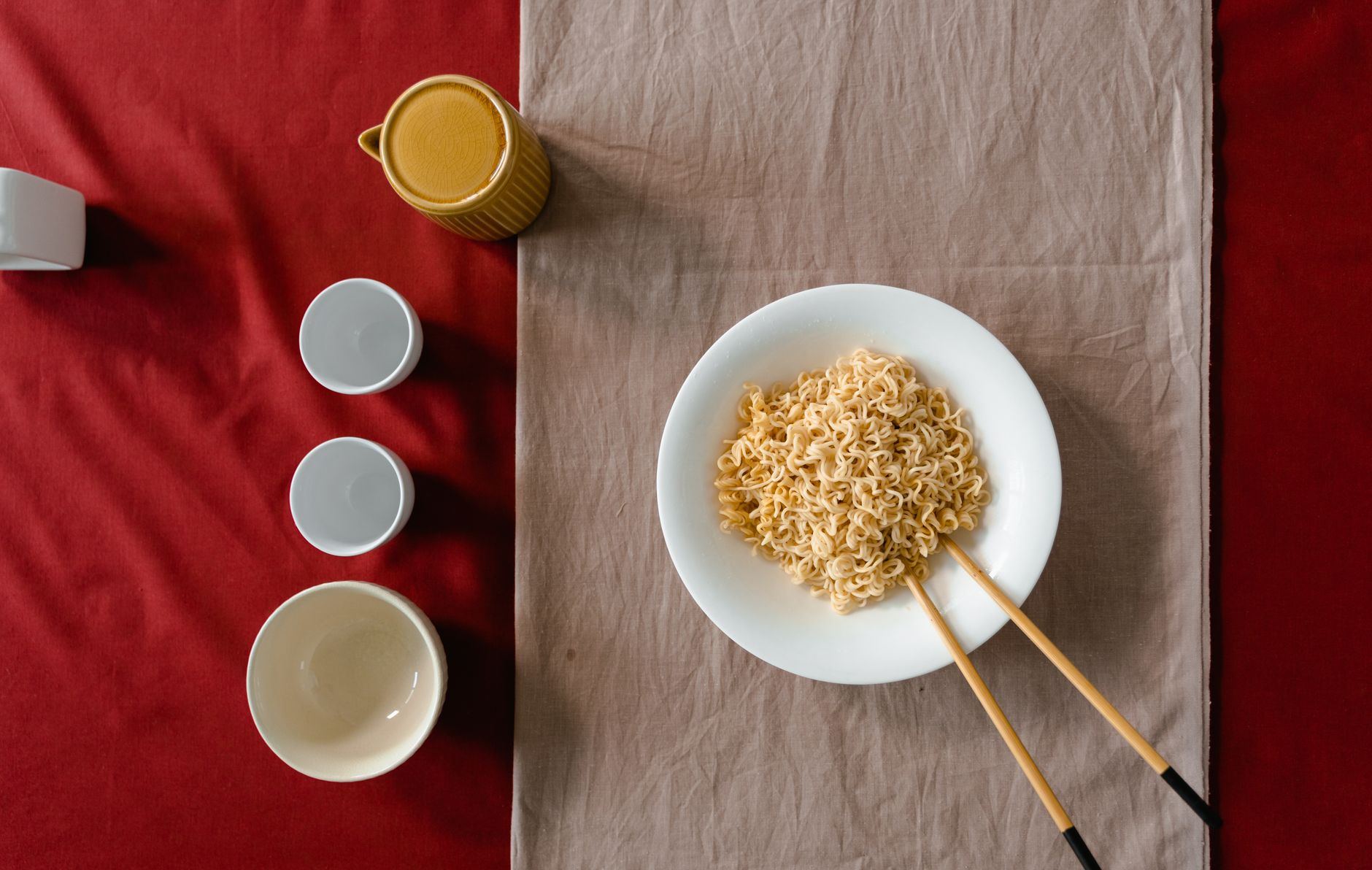
Buldak Ramen, known for its intense spice and hearty flavor, is a beloved dish among ramen enthusiasts. With its eye-catching packaging featuring fiery graphics and a reputation for heat, it’s no surprise that many people are curious about its nutritional content, particularly its sodium levels.
Understanding how much sodium is in Buldak Ramen can help you make informed decisions about your diet, especially if you’re monitoring your sodium intake for health reasons. This article delves into the specifics of sodium content in Buldak Ramen, explores its nutritional profile, and offers handy tips on managing your sodium consumption while enjoying this popular dish.
How Much Sodium Is in Buldak Ramen?
Buldak Ramen typically contains around 1,740 milligrams of sodium per serving, primarily derived from the seasoning packets included with the noodles. This amount accounts for approximately 76% of the recommended daily sodium intake for an average adult, which is around 2,300 milligrams. Thus, it’s essential to consider this when incorporating Buldak Ramen into your diet.
Nutritional Profile of a Serving of Buldak Ramen
Besides sodium, Buldak Ramen has a variety of other nutritional components that contribute to its overall profile. Here’s a breakdown:
- Calories: Approximately 530 calories per serving
- Protein: About 12 grams per serving
- Total Fat: Around 24 grams
- Saturated Fat: About 12 grams
- Carbohydrates: Approximately 72 grams per serving
- Fiber: 2 grams
- Sugar: 0 grams
This nutritional information provides context for the sodium content and helps you assess whether Buldak Ramen fits into your dietary needs.
Understanding Sodium and Its Health Implications
Sodium is an essential mineral that plays a critical role in maintaining fluid balance, nerve function, and muscle contraction. However, consuming too much sodium can lead to health issues, such as hypertension and heart disease. It’s important to manage sodium intake to promote long-term health.
The American Heart Association recommends limiting sodium intake to less than 2,300 milligrams per day for most adults. For individuals with high blood pressure or other cardiovascular issues, a reduction to 1,500 milligrams is often suggested. Given that a single serving of Buldak Ramen contains 1,740 milligrams of sodium, it is crucial to be mindful of other sodium sources throughout the day.
How to Reduce Sodium Intake While Enjoying Buldak Ramen
If you’re a fan of Buldak Ramen but want to cut back on sodium, consider these practical tips:
1. Use Less Seasoning
The seasoning packet is packed with sodium, so using only part of it can significantly reduce your sodium intake. Start by adding half the packet and adjusting to taste.
2. Add Fresh Ingredients
Enhancing the flavor of your Buldak Ramen with fresh vegetables, grilled chicken, or tofu can help create a more balanced meal. These additions also provide essential nutrients without contributing much sodium.
3. Create a Soup Base
Prepare a homemade broth using low-sodium vegetable or chicken stock. Cook the noodles in this broth instead of the seasoning packet, and season lightly to taste. This method allows you to control the sodium content more effectively.
4. Pair with Low-Sodium Sides
If you’re having a larger meal, serve Buldak Ramen with low-sodium side dishes, such as steamed vegetables, to balance your overall sodium intake.
Comparing Buldak Ramen to Other Instant Noodles
When considering sodium levels, it’s worthwhile to compare Buldak Ramen to other popular instant noodle options:
| Noodle Type | Sodium (mg per serving) |
|---|---|
| Buldak Ramen | 1,740 |
| Shin Ramyeon | 1,370 |
| Top Ramen (Chicken Flavor) | 890 |
| Maruchan Ramen (Beef Flavor) | 960 |
As seen in the table, Buldak Ramen has a higher sodium content compared to many other brands and flavors. This comparison serves as a crucial reminder to monitor sodium intake regardless of the noodle brand you choose.
What to Consider When Enjoying Buldak Ramen
Fans of Buldak Ramen appreciate its flavor, heat, and convenience. However, there are a few considerations to keep in mind when incorporating it into your diet:
Dietary Restrictions and Considerations
Due to its high sodium content, those on sodium-restricted diets, such as individuals with hypertension or certain kidney disorders, should be especially cautious with Buldak Ramen. If you are concerned about the health effects of high sodium intake, consult with a healthcare provider for personalized advice.
Balance and Moderation
Buldak Ramen can be enjoyed in moderation as part of a balanced diet. If consumed occasionally and complemented with fresh ingredients, it can be a fun and flavorful meal option.
Hydration
Eating high-sodium foods can lead to increased thirst. Make sure to stay hydrated, especially after enjoying Buldak Ramen, to help mitigate the potential effects of sodium on your body.
How to Store and Reheat Buldak Ramen
If you have leftover Buldak Ramen or prefer to cook a batch for meal prep, proper storage is essential:
Storing Buldak Ramen
Store any uneaten noodles in an airtight container in the refrigerator. The broth, if made separately, should also be refrigerated in a separate airtight container. Consume leftovers within three days for the best flavor and texture.
Reheating Tips
When reheating Buldak Ramen, add a splash of water or broth to the noodles to prevent them from drying out. Reheat in a saucepan over low heat until warmed through, stirring occasionally.
Exploring Homemade Alternatives to Buldak Ramen
If you’re looking to enjoy the flavors of Buldak Ramen without the high sodium content, consider making your version from scratch. Here’s a brief outline of how you can prepare a delicious, low-sodium homemade ramyeon:
Ingredients
- 2 servings of fresh ramen noodles or low-sodium dried noodles
- 4 cups low-sodium chicken or vegetable broth
- 1 tablespoon gochugaru (Korean chili flakes) or to taste
- 1 tablespoon soy sauce (low-sodium) or to taste
- 1 teaspoon sesame oil (optional)
- Your choice of vegetables (e.g., bok choy, green onions, bok choy)
- Proteins (e.g., chicken, beef, tofu, or eggs)
Method
- In a large pot, bring the low-sodium broth to a gentle simmer.
- Add gochugaru and soy sauce, adjusting the amounts to your taste preference.
- Add your choice of vegetables and proteins, and let them cook until tender.
- Meanwhile, cook the noodles separately according to the package instructions.
- Once the noodles are cooked, drain and add them to the pot, stirring to combine.
- Drizzle with sesame oil if desired, serve hot, and enjoy!
This homemade version allows you to control the sodium while still enjoying vibrant flavors and textures similar to Buldak Ramen.
Conclusion
Buldak Ramen is undoubtedly a crowd favorite, characterized by its spice and unique flavor. Being aware of its sodium content, which is around 1,740 milligrams per serving, is essential for those seeking to manage their dietary sodium intake. By using less seasoning, incorporating fresh ingredients, and creating your low-sodium alternatives, you can enjoy this delectable ramen while maintaining a balanced diet.
If you loved learning about Buldak Ramen’s sodium content and want more delicious ideas, explore practical recipes like a homemade Buldak Ramen recipe or discover how to create your own ramen seasoning for a personalized touch in your meals.