
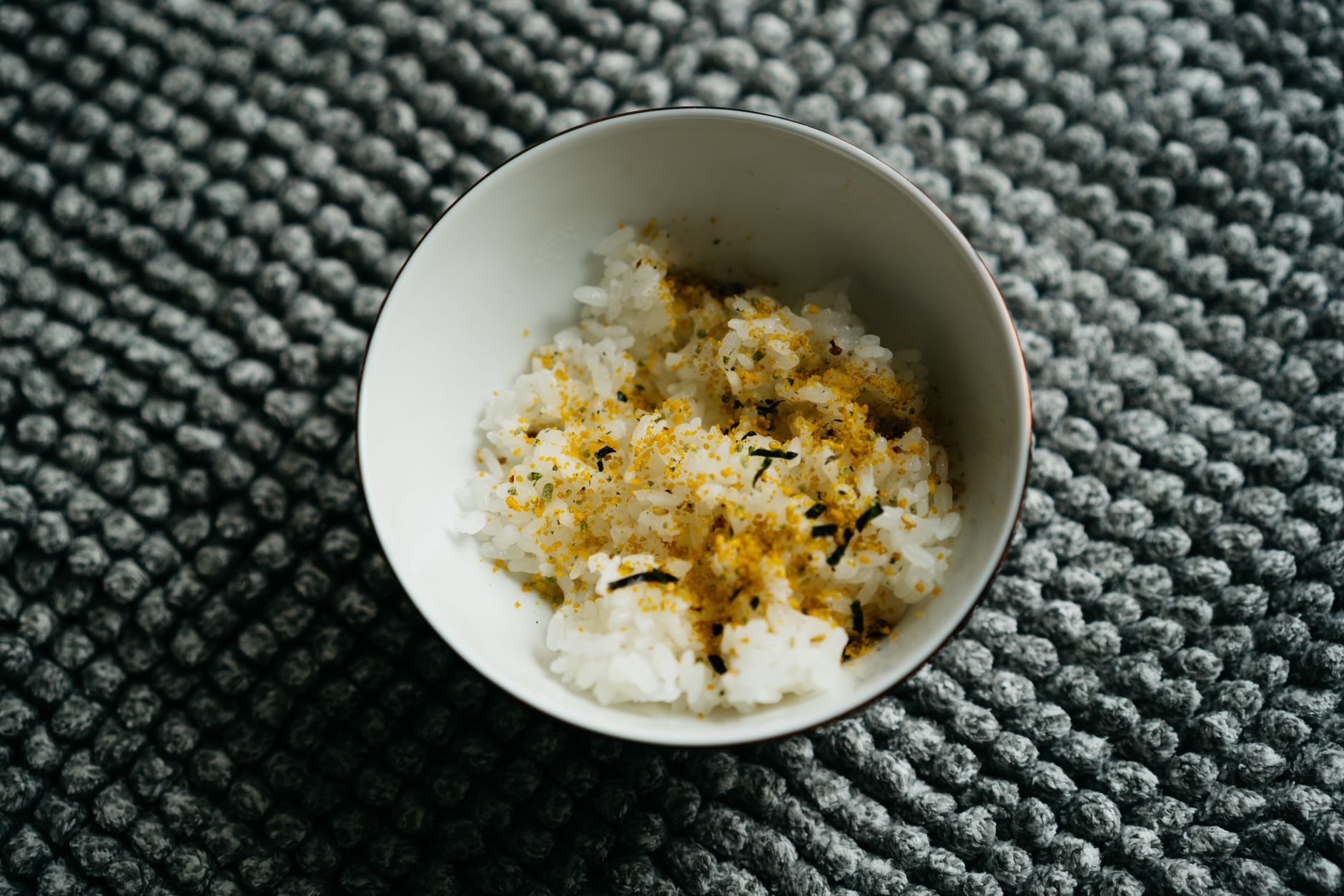
Understanding the right amount of salt to add when cooking rice is essential to achieving the perfect flavor. This guide will provide you with detailed insights into how much salt per cup of rice, tailored by serving size and cooking methods. The balance of seasoning can elevate your rice dish from plain to delicious.
Different factors can influence how much salt you should use, including the type of rice, cooking method, and personal taste preferences. With this guidance, you’ll be well-equipped to create perfectly seasoned rice every time.
How Much Salt Per Cup of Rice?
The general recommendation is to use about 1/4 to 1/2 teaspoon of salt for every cup of uncooked rice. This amount can be adjusted based on personal preference and dietary needs. If you’re preparing rice as part of a larger dish, such as a stir-fry or curry, consider the salt content of the other ingredients as well.
Factors Affecting Salt Amount
Several factors can affect how much salt you may need when cooking rice:
- Type of Rice: Different varieties of rice may absorb flavors differently. For instance, jasmine rice often requires less salt than arborio rice.
- Cooking Method: Boiling, steaming, or cooking rice in a rice cooker can impact the flavors and absorption of salt.
- Personal Preference: Your taste preference and health considerations should also guide how much salt you decide to use.
Basic Rice Cooking Instructions
To put the salt measurements into practice, here is a basic outline for cooking rice along with the salt quantities:
Ingredients
- 1 cup uncooked rice (any variety: white, brown, jasmine, etc.)
- 2 cups water or broth
- 1/4 to 1/2 teaspoon salt (adjust to taste)
Essential Equipment
- Medium saucepan with a lid
- Measuring cups and spoons
- Wooden spoon or rice paddle for stirring
Cooking Method
- Rinse the rice under cold water until the water runs clear. This removes excess starch and prevents stickiness.
- In a medium saucepan, combine the rinsed rice, water or broth, and salt.
- Bring the mixture to a boil over medium-high heat.
- Once boiling, reduce the heat to low, cover the saucepan, and simmer for about 18 to 20 minutes for white rice or 35 to 40 minutes for brown rice, or until the water is absorbed and the rice is tender.
- Remove the saucepan from heat and let it sit, covered, for another 5 to 10 minutes.
- Fluff the rice with a fork and serve.
Salt Quantities by Rice Type
Here is a breakdown of recommended salt quantities based on various types of rice:
| Type of Rice | Water/Rice Ratio | Salt Per Cup of Rice |
|---|---|---|
| White Rice | 2 cups | 1/4 to 1/2 teaspoon |
| Brown Rice | 2.5 cups | 1/2 teaspoon |
| Jasmine Rice | 1.5 cups | 1/4 teaspoon |
| Arborio Rice | 4 cups | 1/2 teaspoon |
| Wild Rice | 3 cups | 3/4 teaspoon |
Common Mistakes When Adding Salt
Here are some mistakes to avoid when it comes to seasoning rice with salt:
- Adding salt too early. While adding it at the beginning helps to flavor the rice, doing so before rinsing can cause it to absorb too much salt.
- Not adjusting salt for other ingredients. If the rice will be served with salty sauces or proteins, it may be wise to reduce the salt in the rice.
- Overestimating the salt needed. It’s easier to add more salt after cooking than to try and remedy over-salted rice.
Flavor Pairing Suggestions
Adding the right seasoning not only enhances the taste of the rice but also complements the overall dish. Here are some suggestions for flavor pairings:
- Herbs: Fresh herbs like parsley, cilantro, or basil can add freshness.
- Spices: Consider adding spices like turmeric or saffron for color and aromatic qualities.
- Broth: Using vegetable or chicken broth instead of water can enrich the flavor.
- Vegetables: Sautéed vegetables can be stirred into the rice for added texture and nutrition.
Making the Rice Ahead of Time
If you’re planning meals in advance, cooking rice ahead of time can save you precious minutes during busy weekdays. Here are some tips for meal prep:
- Cook the rice according to the instructions, but keep the salt on the lower end of the recommended range.
- Allow the rice to cool before storing it in an airtight container in the refrigerator for up to four days.
- To reheat, add a splash of water and microwave or steam, ensuring the rice is heated evenly.
Storage and Reheating of Rice
Knowing how to store and reheat rice can help maintain its quality:
- Store cooked rice in an airtight container in the refrigerator for up to four days, or freeze for up to six months.
- When reheating, ensure the rice is heated to at least 165°F (74°C) to prevent foodborne illnesses.
- For best results, add a tablespoon of water before reheating to restore moisture.
Salt Alternatives for Healthier Options
If you’re looking to reduce sodium intake, consider these flavor alternatives:
- Herbs and Spices: Fresh or dried herbs can offer flavorful enhancements without extra sodium. Basil, thyme, and rosemary work well.
- Lemon Juice: A splash of lemon juice can brighten the flavor of rice.
- Garlic and Onion: Sautéing garlic or onion before adding rice can provide a savory flavor base.
Conclusion
By understanding how much salt to use per cup of rice and the various factors that can affect seasoning, you can create delicious and perfectly seasoned rice dishes. Remember to adjust salt based on personal preference and the other ingredients in your dish. Explore different varieties of rice and experiment with various flavorings to turn a simple grain into a satisfying side or main dish.
If you’d like to delve deeper into cooking rice, be sure to check out our guides on how many cups of water for 1 cup of rice and Puerto Rican rice recipe for more delicious ideas.