
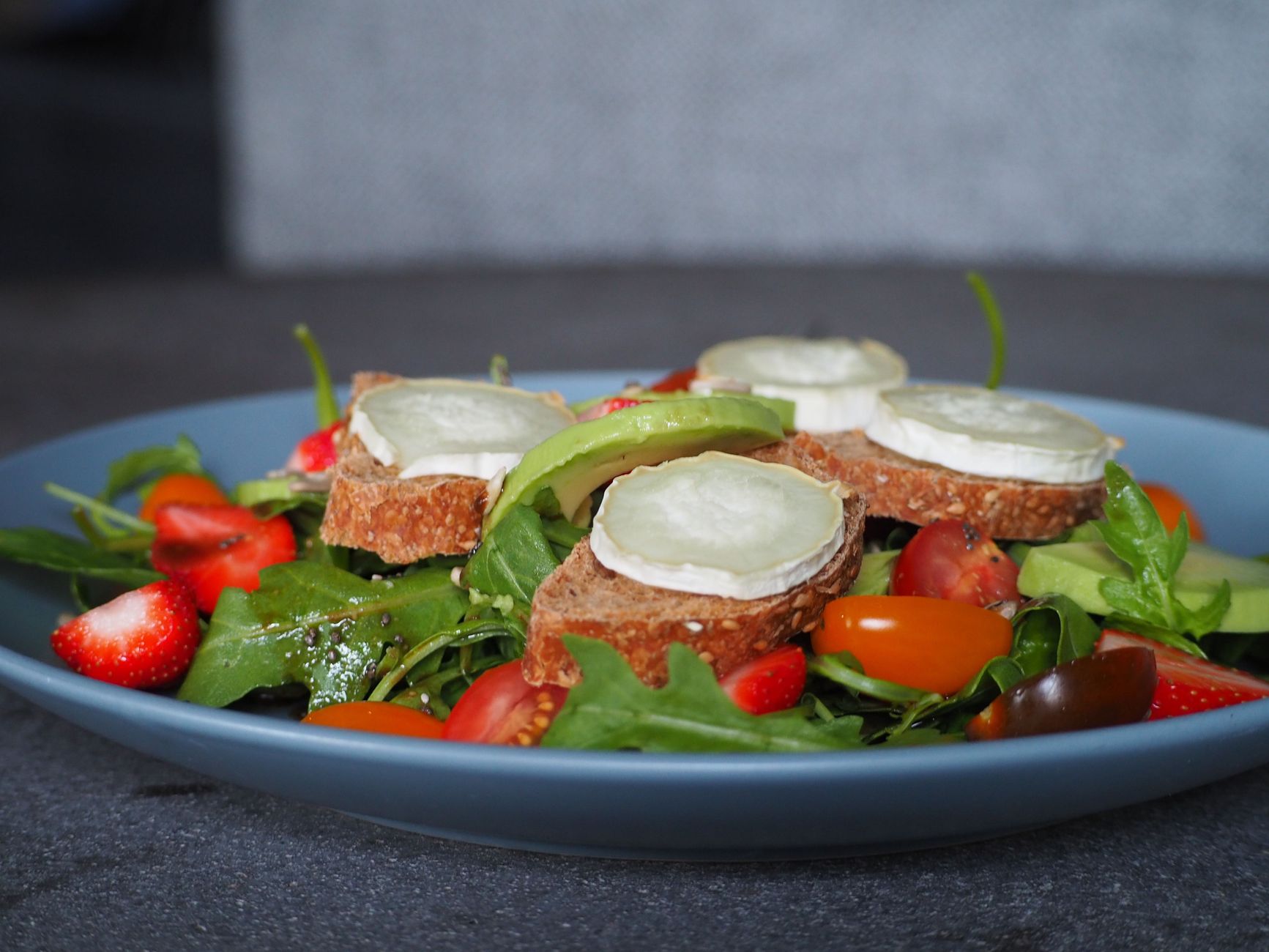
Goat cheese, known for its distinct flavor and creamy texture, has gained popularity among cheese lovers and health enthusiasts alike. One of the key nutritional aspects that many seek to understand is its protein content, especially for those on high-protein diets. In this article, we will delve into how much protein is in goat cheese, exploring its nutritional profile, benefits, and how it can be incorporated into various meals.
This guide is designed for those curious about goat cheese’s role in a balanced diet, whether you’re planning meals, looking for high-protein snacks, or simply interested in exploring the culinary uses of this versatile cheese.
How Much Protein Is in Goat Cheese?
Goat cheese typically contains about 5 to 7 grams of protein per ounce (28 grams), depending on the specific type and brand. This makes it a good source of protein, especially when included as part of a varied diet. In addition to protein, goat cheese provides other essential nutrients, including calcium and vitamin A, contributing to its status as a healthy dairy choice.
Nutritional Profile of Goat Cheese
Understanding the complete nutritional profile of goat cheese can help in evaluating how it fits into your dietary needs. Here’s a general breakdown per one ounce (28 grams) of goat cheese:
| Nutrient | Amount |
|---|---|
| Calories | 76 |
| Protein | 5-7 grams |
| Total Fat | 6-8 grams |
| Saturated Fat | 4-6 grams |
| Calcium | 4% of the Daily Value (DV) |
| Vitamin A | 1% of the DV |
Health Benefits of Goat Cheese
Aside from being a good source of protein, goat cheese offers several health benefits:
- Digestibility: Goat cheese is often easier to digest compared to cow’s milk cheese due to its lower lactose content.
- Rich in Nutrients: It contains important vitamins and minerals, including calcium, phosphorous, and vitamins A and B.
- Lower in Fat: Compared to many aged cow cheeses, goat cheese tends to be lower in fat, which may be beneficial for those regulating their fat intake.
- Probiotics: Some fresh goat cheeses include beneficial probiotics that support gut health.
Incorporating Goat Cheese Into Your Diet
With its rich flavor and creamy texture, goat cheese can be a delightful addition to various meals. Here are some practical ways to incorporate goat cheese into your diet:
1. Salads
Sprinkle crumbled goat cheese over salads for added flavor and protein. It pairs well with spinach, beets, walnuts, and vinaigrette dressings.
2. Pasta Dishes
Mix goat cheese into pasta dishes for a creamy, tangy element. Try it blended with roasted vegetables or as a topping for baked pasta.
3. Spreads and Dips
Blend goat cheese with herbs and spices for a tasty spread on crackers or bread, or whip it into a creamy dip for vegetables.
4. Pizzas and Flatbreads
Replace traditional mozzarella with goat cheese on pizzas or flatbreads for a unique twist. It’s particularly delicious with roasted vegetables or caramelized onions.
5. Breakfast Dishes
Add goat cheese to omelets or scrambled eggs for a flavorful breakfast. It also pairs well with avocados on toast.
What to Look for When Buying Goat Cheese
When purchasing goat cheese, consider the following tips to ensure you’re getting a quality product:
- Freshness: Opt for cheese that has a clean, fresh smell, indicating it is not spoiled.
- Texture: Look for creamy, spreadable cheese; avoid any that appear too dry or crumbly unless specifically intended.
- Ingredients: Check the label for additional ingredients—fewer additives typically indicates a higher quality cheese.
- Origin: Many artisanal cheeses come from specific regions, which can impact flavor. Explore local options for unique varieties.
Storing Goat Cheese
Proper storage of goat cheese is essential to maintain its freshness and quality. Here are some practical tips for storing goat cheese:
- Refrigeration: Always store goat cheese in the refrigerator, ideally in a sealed container to prevent it from absorbing odors.
- Wrapping: Wrap the cheese in wax paper or parchment paper followed by a loose foil layer to allow it to breathe yet retain moisture.
- Freezing: Although not ideal, goat cheese can be frozen. Wrap it tightly and use within three months. Thaw in the refrigerator before use.
Common Varieties of Goat Cheese
Goat cheese comes in several forms, each with varying flavors and textures. Here are some popular varieties:
- Creamy Chevre: Soft and spreadable, this fresh cheese is often sold in logs or tubs.
- Aged Goat Cheese: This cheese develops a firmer texture and stronger flavor over time, making it great for grating.
- Blue Goat Cheese: Infused with blue mold, this cheese has a distinct taste and is often used in salads.
- Marinated Goat Cheese: Cheese that is aged in herbs and oil, providing deeper flavors—excellent for platters.
Substitutions for Goat Cheese
If you find yourself in need of a substitution for goat cheese, consider the following options:
- Feta Cheese: Similar in texture and tanginess, feta can often be used in salads and spreads, though it may be saltier.
- Ricotta Cheese: For a milder flavor, ricotta works well in cooked dishes or spreads, though it lacks the tang of goat cheese.
- Cream Cheese: A common substitute in recipes, cream cheese offers a creamy texture, but reduces complexity in flavor.
- Vegan Cheese: Plant-based goat cheese alternatives are available, made from nuts or soy, suitable for dairy-free diets.
Culinary Pairings and Serving Suggestions
Goat cheese pairs well with a variety of flavors that can enhance its unique profile:
- Fruits: Fresh fruits like figs, pears, or berries contrast the cheese’s tanginess.
- Nuts: Walnuts, almonds, and hazelnuts add crunch and complement the creaminess of goat cheese.
- Herbs: Fresh herbs like thyme, basil, or chives enhance the flavor, especially in spreads or salads.
- Honey: A drizzle of honey can balance the tangy notes of goat cheese, making for a delightful appetizer.
Common Mistakes When Cooking with Goat Cheese
When using goat cheese in dishes, avoiding certain pitfalls can enhance your culinary outcomes:
- Overheating: Goat cheese can become too soft when exposed to high heat, which may cause it to lose flavor. Add it at the end of cooking for the best results.
- Choosing the Wrong Type: Ensure you select a type of goat cheese suitable for your dish—soft cheeses are better for spreads, while aged varieties work well on platters.
Conclusion
Goat cheese is a nutritious and versatile ingredient that can enhance meals with its distinctive flavor and creamy texture. With about 5 to 7 grams of protein per ounce and several health benefits, it can fit alongside various diets. From salads to pasta, the uses for goat cheese are virtually endless. Consider exploring different types of goat cheese available and enjoy experimenting with this delightful dairy product in your kitchen.
For more delicious options, explore our protein brownie recipe and protein cookie recipe to add some variety to your high-protein snacking!