
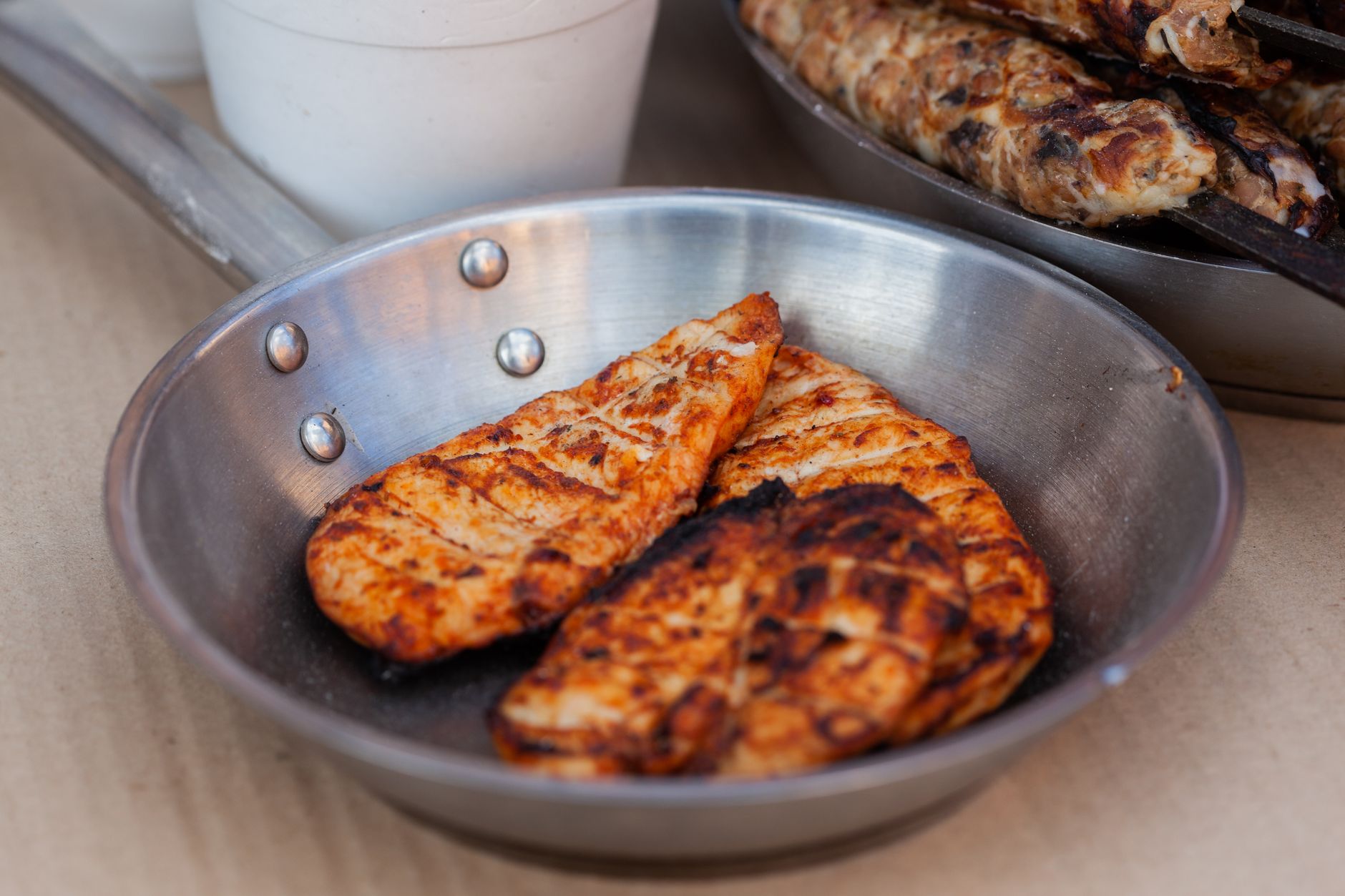
When considering the nutritional value of chicken, one of the primary elements that comes to mind is its protein content. Chicken is a popular choice for many diets due to its rich supply of protein and relatively low fat content compared to other meats. This article will explore precisely how much protein is in 8 oz of chicken and how it fits into your daily dietary intake.
In discussing protein content, we will delve into various factors affecting those numbers, including preparation methods, different cuts of chicken, and overall implications for meal planning. Understanding the protein value of chicken is essential for anyone aiming to bolster their nutrition, whether for fitness, weight management, or general health.
How Much Protein Is in 8 oz of Chicken?
An 8 oz serving of cooked, skinless chicken breast contains approximately 56 grams of protein. This impressive figure makes chicken breast one of the highest protein sources among meats, providing about 7 grams of protein per ounce. However, the type of chicken and the cooking method can influence this amount, so it is useful to explore these variations.
Types of Chicken and Their Protein Content
The protein content of chicken can vary by the cut and whether it is cooked or raw. Here is a comparison of different cuts of chicken in an 8 oz serving:
- Chicken Breast (Cooked, Skinless): 56 grams of protein
- Chicken Thigh (Cooked, Skinless): 48 grams of protein
- Chicken Drumstick (Cooked, Skinless): 44 grams of protein
- Chicken Wings (Cooked, Skinless): 38 grams of protein
As shown, chicken breast is the leanest and highest in protein, making it an ideal choice for those focused on muscle building or weight management. However, the other cuts still provide a significant protein boost while offering unique flavors and textures.
Cooking Methods and Their Impact on Protein Content
The cooking method can also affect the nutrient profile of chicken, including its protein content. While cooking does not significantly alter the protein level, the added ingredients and cooking techniques can influence calorie count and fat content:
- Grilling: Keeps most nutrients intact and is one of the healthiest options. Chicken grilled without added fats maintains its protein density.
- Baking: Similar to grilling, baking does not require added fat. Baking chicken can keep it moist, but mindful seasoning helps maintain its nutritional advantages.
- Frying: This method uses added oils, increasing calorie and fat content while keeping protein levels relatively stable. Opt for oven-fried techniques for a healthier alternative.
- Boiling: A low-fat option that can be useful for soups and broths. Boiled chicken may sometimes lose flavor, but it retains its protein well.
Even though the protein content itself does not dramatically change with cooking, the overall meal’s healthiness will vary based on how the chicken is prepared.
How to Incorporate Chicken into Your Meal Planning
Chicken’s versatility makes it a fantastic ingredient for meal planning. Here are some pointers for maximizing its benefits:
- Variety: Choose different cuts of chicken throughout the week to keep meals interesting and varied in flavor and texture.
- Batch Cooking: Prepare large quantities of chicken at once. Cooked chicken can be refrigerated or frozen for future use. This saves time and makes meal prep easier.
- Lean Pairings: Pair chicken with lean vegetables, whole grains, and legumes. This diversifies your diet while providing a balance of macronutrients.
- Healthy Sauces: Opt for low-fat, low-sugar sauces or marinades that enhance flavor without adding excess calories. Options like citrus juices, vinegar, and herbs deliver taste without compromising health benefits.
Incorporating chicken into a balanced meal can support your goals, whether building muscle, maintaining weight, or simply eating healthily.
Common Mistakes When Cooking Chicken
While cooking chicken seems straightforward, some common errors can lead to less-than-ideal outcomes:
- Overcooking: This is a leading cause of dry chicken. Use a meat thermometer to ensure the chicken reaches an internal temperature of 165°F.
- Not Marinating: Marinating chicken can enhance flavor and moisture. Don’t skip this step if time allows.
- Ignoring Resting Time: Allow chicken to rest for several minutes after cooking. This lets juices redistribute, yielding more flavorful meat.
- Warm-Up Time: If grilling or baking from frozen, allow enough time for the chicken to thaw properly before cooking to ensure even doneness.
Storage and Reheating of Chicken
Proper storage and reheating are crucial for maintaining chicken’s quality and safety:
- Refrigeration: Cooked chicken should be stored in an airtight container in the fridge and consumed within 3-4 days.
- Freezing: For longer storage, chicken can be frozen. It is advisable to consume frozen cooked chicken within 2-6 months for optimal quality.
- Thawing: Thaw frozen chicken in the refrigerator or under cold running water. Avoid defrosting at room temperature, as it promotes bacterial growth.
- Reheating: Use an oven or microwave to reheat chicken thoroughly to a minimum internal temperature of 165°F. Add moisture (such as broth) while reheating to maintain juiciness.
Health Considerations and Nutritional Value
Beyond protein, chicken offers a range of nutrients that contribute to a healthy diet. In addition to high protein content, chicken is a good source of:
- Vitamins: Chicken is rich in B vitamins, including niacin, pyridoxine, and cobalamin. These vitamins play crucial roles in energy metabolism and neurological function.
- Minerals: Essential minerals like phosphorus and selenium are found in chicken, contributing to bone health and immune function.
- Low Fat Options: Using skinless chicken breast or thigh significantly reduces saturated fat intake, making it a heart-healthier option.
As a staple in many diets, chicken can fit into various dietary restrictions and preferences, such as low-carb, paleo, and more. However, individuals should be mindful of sodium levels in certain processed chicken products.
Conclusion
Understanding how much protein is in 8 oz of chicken—and the nutritional value of different cuts—can empower your meal planning, whether you’re committed to a healthy lifestyle or simply enjoy great food. With 56 grams of protein in chicken breast, it can serve as an excellent foundation for fulfilling your protein requirements.
Experiment with various cuts and cooking methods to keep meals exciting while maximizing nutritional benefits. Pair chicken with wholesome ingredients for balanced meals that contribute to overall health and wellness.
For more tips on chicken storage, check out how long cooked chicken lasts, or consider innovative recipes like protein brownies. Explore options that suit your eating preferences and nutritional goals!