
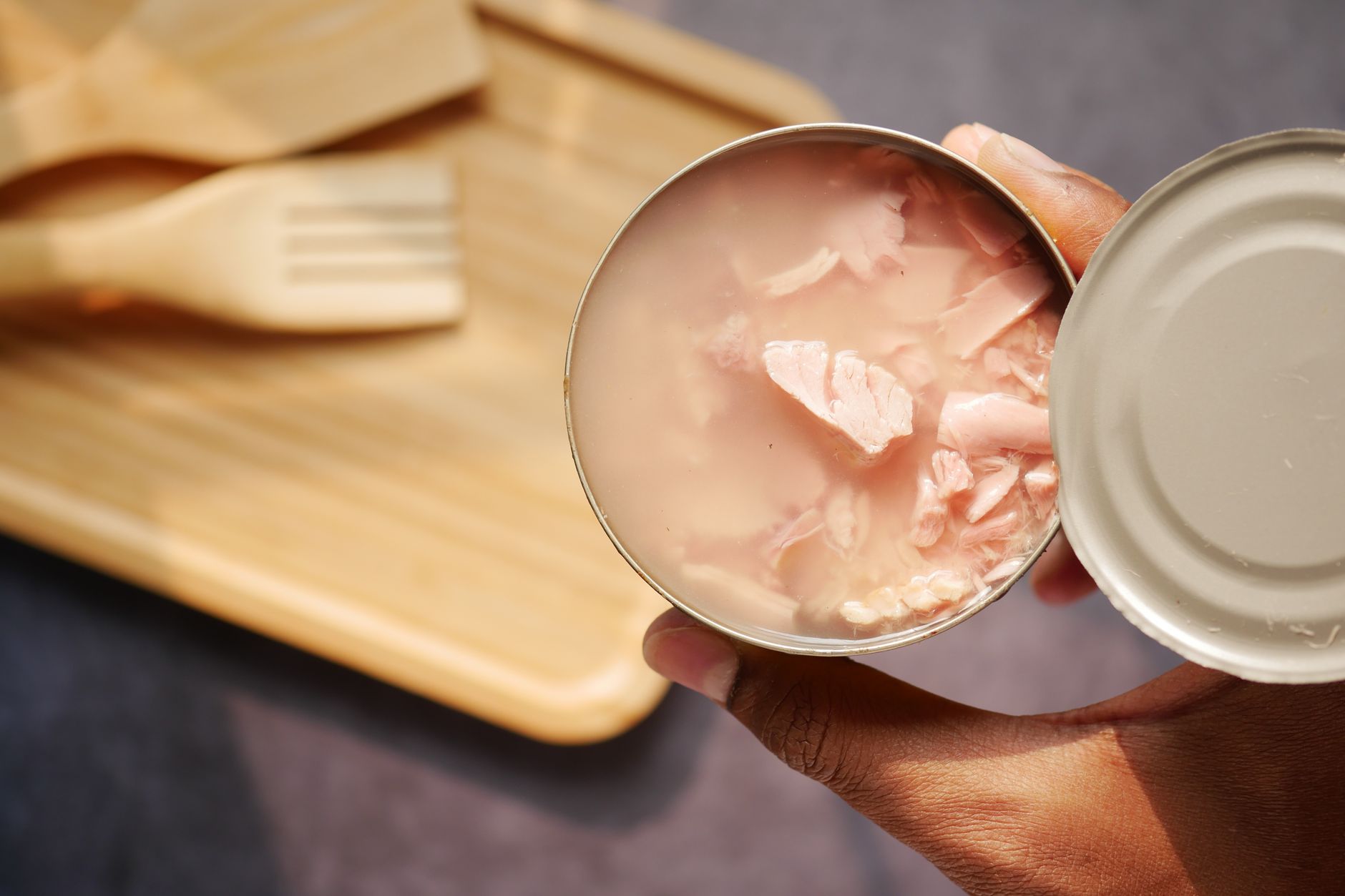
Tuna is one of the most popular seafood options available, prized not only for its delicious flavor but also for its nutritional profile. Often consumed canned, grilled, or as sushi, tuna has numerous health benefits that make it a go-to choice for many health-conscious individuals.
One of the standout features of tuna is its high protein content, which plays a crucial role in muscle repair, immune function, and overall health. Understanding how much protein is in tuna can help you effectively incorporate it into your meals for optimal nutrition.
How Much Protein in Tuna?
Tuna is remarkably high in protein, making it an excellent choice for those looking to increase their protein intake. On average, a 3-ounce (85 grams) serving of canned or cooked tuna contains approximately 20 to 25 grams of protein, depending on the type of tuna and its preparation method.
Types of Tuna and Their Protein Content
Different types of tuna can vary slightly in their protein content. The following table summarizes the protein content for various types of tuna:
| Type of Tuna | Protein per 3 oz. (85 g) |
|---|---|
| Canned Light Tuna (in water) | 20 grams |
| Canned Albacore Tuna (in water) | 22 grams |
| Fresh Bluefin Tuna | 25 grams |
| Fresh Yellowfin Tuna | 22 grams |
| Canned Tuna (oil-packed) | 24 grams |
Nutritional Benefits of Tuna
Beyond protein, tuna offers a variety of essential nutrients. Here are some of the key nutritional benefits:
- Omega-3 Fatty Acids: Tuna is rich in omega-3 fatty acids, which contribute to heart health and may help reduce inflammation.
- Low in Calories: Tuna is low in calories and fat, making it an ideal food for those watching their weight.
- Vitamins and Minerals: Tuna provides important vitamins and minerals like vitamin D, selenium, and B vitamins that support various bodily functions.
- Muscle Building: Thanks to its high protein content, tuna supports muscle protein synthesis and recovery!
Choosing the Right Tuna
When selecting tuna, consider the following points to maximize both flavor and nutrition:
- Fresh vs. Canned: Fresh tuna tends to have a firmer texture and intense flavor. Canned tuna, while convenient, often has a softer texture and different flavor profile depending on the canning liquid (oil or water).
- Type of Tuna: Bluefin tuna is known for its rich flavor, while yellowfin tuna has a milder taste and is often used in sushi.
- Source: Consider sustainability when purchasing tuna. Look for sustainable sources, such as products certified by the Marine Stewardship Council (MSC).
Incorporating Tuna into Your Diet
There are countless ways to enjoy tuna, whether you’re planning a quick lunch or an elaborate dinner. Here are some practical tips for incorporating tuna into your meals:
- Salads: Add canned tuna to your salad for a protein boost. Try it in a classic tuna salad with mayonnaise or mix it with avocado, diced onions, and lemon juice.
- Sandwiches: Construct a hearty tuna sandwich using whole grain bread, fresh vegetables, and your choice of condiments.
- Pasta Dishes: Mix tuna with pasta, olive oil, cherry tomatoes, and herbs to create a light, satisfying dish.
- Wraps and Burritos: Utilize tuna as a filling in wraps or burritos, adding a variety of vegetables and sauces.
- Sushi and Sashimi: Fresh tuna can be enjoyed raw as sushi or sashimi, served with soy sauce and wasabi.
Protein Comparison: Tuna vs. Other Proteins
When evaluating tuna’s protein content, it can be helpful to compare it with other common protein sources. Here’s a quick comparison:
| Protein Source | Protein per 3 oz. (85 g) |
|---|---|
| Chicken Breast (cooked) | 26 grams |
| Salmon (cooked) | 22 grams |
| Tofu (firm) | 9 grams |
| Beef (cooked) | 24 grams |
| Eggs | 18 grams |
As seen in the comparison, tuna stacks up favorably against other protein sources. While chicken and beef have slightly more protein per serving, tuna is unique in its high omega-3 content and low calorie count.
Serving Sizes and Preparation Methods
How you prepare tuna can affect its overall nutritional profile and portion sizes. The standard serving size for canned tuna is typically around 3 ounces, which is approximately one serving for most adults. When using fresh tuna, portion sizes remain similar, but cooking methods can vary.
Cooking Methods for Fresh Tuna
Here are a few popular cooking methods for fresh tuna:
- Grilling: Grilling fresh tuna creates a smoky flavor and ensures a flaky texture. Sear for 2-3 minutes on each side on high heat to enjoy a medium-rare result.
- Searing: Searing tuna quickly in a hot skillet will cook the outside while keeping the inside rare. This method preserves its tenderness.
- Baking: Bake tuna for 10-15 minutes at 375°F (190°C). This method can enhance the flavor by adding marinades or spices.
- Smoking: Smoking tuna gives it a robust flavor; however, it requires additional time and equipment.
Using Canned Tuna
Canned tuna is versatile and requires no cooking. It’s great for:
- Add it directly to salads for a quick protein boost.
- Mixing it with cream cheese or yogurt for flavorful spreads.
- Incorporating it into casseroles or pasta salads for easy meal prep.
- Using it as a topping on baked potatoes or pizzas.
Storage Tips for Tuna
To ensure Tuna maintains its quality and safety, follow these storage guidelines:
- Unopened Canned Tuna: Store in a cool, dry place. Check expiration dates periodically.
- Opened Canned Tuna: Transfer any leftover tuna to an airtight container and refrigerate. Consume within 3 to 4 days.
- Fresh Tuna: Keep fresh tuna in the refrigerator for no longer than 1-2 days. If freezing, wrap tightly and store for up to 2-3 months.
Common Mistakes When Cooking Tuna
Here are some common mistakes to avoid when preparing and cooking tuna:
- Overcooking: Tuna can become dry and tough if overcooked. Aim for medium-rare for the best texture.
- Poor Seasoning: Tuna thrives with various seasonings or marinades to enhance its natural flavor. Don’t shy away from using herbs, spices, or citrus.
- Mismatch of Pairings: Consider the other ingredients or sides you are pairing with tuna, ensuring they complement but don’t overpower its flavor.
Health Considerations with Tuna Consumption
While tuna is nutritious, there are some health considerations to be aware of:
- Mercury Levels: Some types of tuna, particularly larger species like bluefin, can have high mercury levels. Limit consumption of these types and opt for light tuna or smaller species when possible.
- Allergy Risks: If you have a seafood allergy, be cautious with tuna and consult your healthcare provider.
Conclusion
Tuna is an excellent protein source, offering both flavor and nutrition in various forms. Whether opting for fresh or canned, it can easily be incorporated into a balanced diet. Be mindful of preparation methods and accompanying ingredients to fully enjoy this versatile fish, while also keeping health considerations in mind.
For a delicious way to enjoy tuna, try our seared ahi tuna recipe or make your own tuna burgers. These recipes provide unique and tasty options to explore the protein benefits of tuna further.