
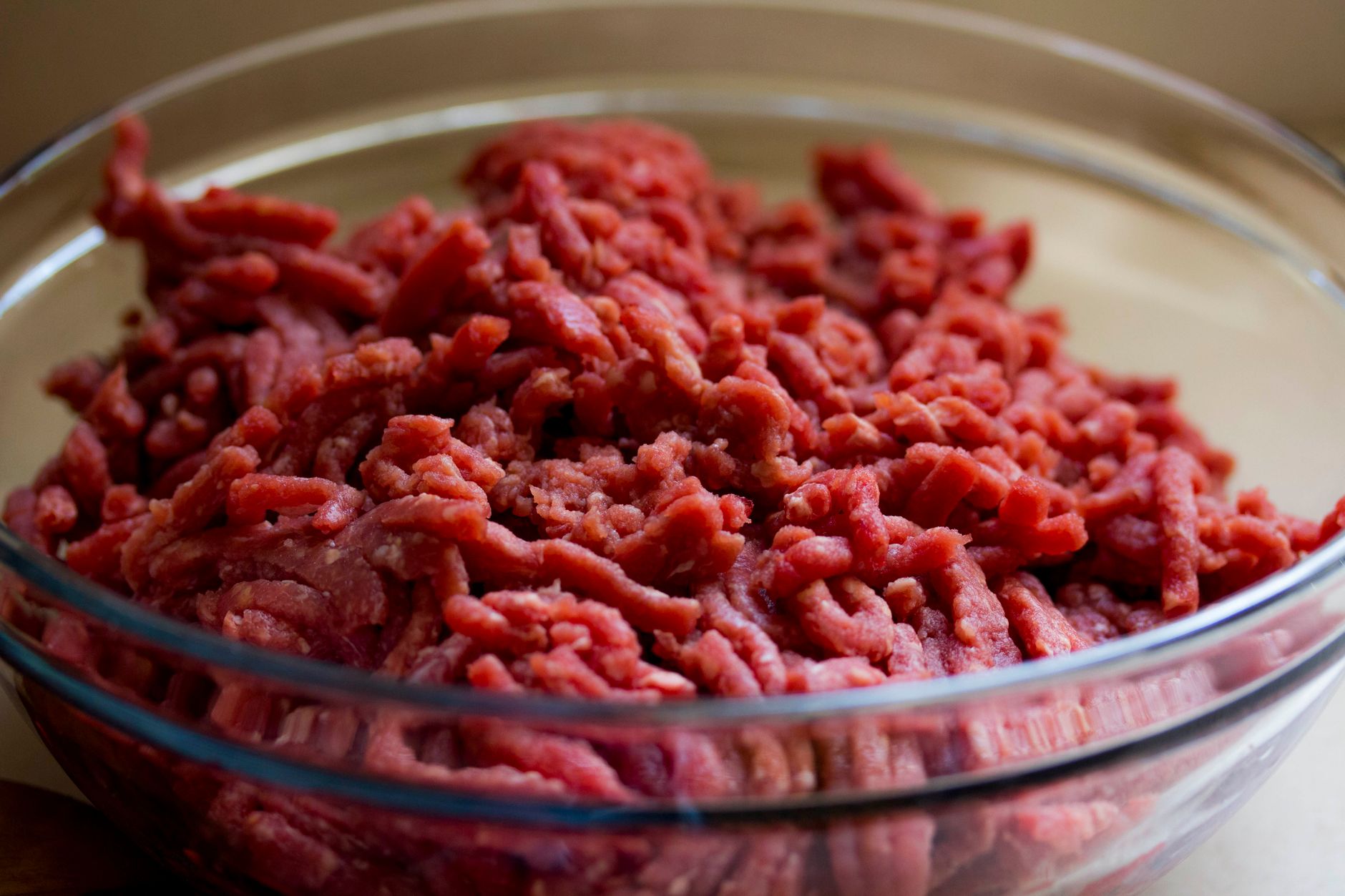
Protein is an essential nutrient vital to our bodies for various functions, including muscle repair, immune health, and hormone production. Ground beef, a popular protein source in numerous cuisines, is often a staple in many households. Understanding how much protein is in ground beef allows you to plan your meals effectively and ensure your dietary needs are met.
This article will explore the protein content of ground beef, specifically focusing on half a pound. We’ll also dive into the nutritional benefits of ground beef, compare different lean-to-fat ratios, and provide guidance on incorporating this versatile ingredient into your meals.
How Much Protein in Half a Pound of Ground Beef?
Half a pound of ground beef contains approximately 42 grams of protein, though this number can vary slightly depending on the fat content of the beef. Ground beef generally comes in various lean-to-fat ratios, which can influence the protein concentration.
Nutritional Breakdown of Ground Beef
Ground beef is not just about protein; it offers a wealth of nutrients that contribute to overall health. Here’s a closer look at the nutritional content you can expect from half a pound (about 227 grams) of cooked ground beef, depending on the lean-to-fat ratio.
Key Nutrients in Ground Beef
- Protein: Approximately 42 grams
- Calories: Varies from around 300 to 500 calories
- Fat: Ranges from 20 grams (85% lean) to 30 grams (70% lean)
- Iron: Approximately 4-5 mg, contributing to about 25% of the daily value
- Zinc: Around 8-9 mg, about 60% of the daily value
- Vitamin B12: About 2.5-3 µg, meeting 100% of the daily value
- Phosphorus: Approximately 300 mg, contributing to about 25% of the daily value
Understanding Lean-to-Fat Ratios
Ground beef typically comes labeled with lean-to-fat ratios, which affect both the nutritional content and how the meat behaves during cooking. Here are common varieties:
- 90/10 (90% lean, 10% fat): This option provides about 42 grams of protein and has a lower fat content, making it a healthier choice.
- 80/20 (80% lean, 20% fat): Contains about 42 grams of protein as well but higher fat, contributing to juicier burgers or meatloaf.
- 70/30 (70% lean, 30% fat): This variety packs significant flavor but can contain around 35 grams of protein, due to higher fat content.
Choosing the right lean-to-fat ratio depends on the cooking method and the dish you are preparing.
Health Benefits of Ground Beef
In moderation, ground beef can be part of a balanced diet. Here are some health benefits associated with its consumption:
Protein Source
As previously mentioned, ground beef is an excellent source of protein, making it ideal for athletes, those looking to build muscle, and anyone seeking to increase their protein intake. Protein supports muscle repair and growth.
Rich in Micronutrients
Ground beef is rich in essential vitamins and minerals. Notably, the iron present is heme iron, easily absorbed by the body compared to plant sources. This makes ground beef beneficial for individuals with iron-deficiency anemia.
Weight Management
Due to its protein content, ground beef can help you feel full longer, which aids in weight management. Protein-rich foods are often more satiating than carbohydrates or fats.
Cooking with Ground Beef
Ground beef is an adaptable ingredient and can be used in countless recipes. Here are some practical suggestions on how to prepare and cook with ground beef.
Cooking Methods
- Stovetop: Sauté ground beef in a skillet over medium heat. Use it in tacos, casseroles, or as a topping for salads.
- Oven: Ground beef can be baked in various dishes such as meatloaf or casseroles. Remember to check for doneness using a meat thermometer.
- Grilling: Perfect for burgers, but make sure to handle it gently to avoid drying out the meat.
- Slow Cooking: Ideal for stews or chili; combine with beans, veggies, and seasonings for a hearty meal.
Popular Recipes Featuring Ground Beef
If you’re looking for inspiration, here are some classic recipes that showcase ground beef:
- Beef Tacos: Quick and easy, tacos can be customized with toppings like avocado, salsa, and cheese.
- Spaghetti Bolognese: A comforting pasta dish packed with flavor.
- Meatloaf: A hearty family favorite that pairs well with mashed potatoes and green beans.
- Chili: A nutritious one-pot meal loaded with beans, tomatoes, and spices.
Storage and Safety of Ground Beef
Proper storage of ground beef is crucial for food safety. Follow these guidelines to keep your ground beef fresh:
Storing Ground Beef
- Refrigerator: Store in its original packaging or transfer it to an airtight container. Consume within 1-2 days.
- Freezer: Ground beef can be frozen for 3-4 months. For best results, wrap it tightly in freezer-safe packaging.
Thawing Ground Beef
Always thaw ground beef safely by moving it from the freezer to the refrigerator for several hours or overnight. You can also thaw it in the microwave or use cold water. Never leave it at room temperature as this increases the risk of bacterial growth.
Cooking Temperatures
To ensure safety, ground beef should be cooked to an internal temperature of 160°F (71°C). Using a meat thermometer is the best way to avoid undercooking.
Practical Substitutions for Ground Beef
If you want to lighten your meals or adapt to dietary preferences, consider these alternatives to ground beef:
- Ground Turkey: Lower in fat and calories but has a milder taste.
- Ground Chicken: Similar to turkey, ground chicken offers a different flavor profile.
- Mushroom Blend: Finely chopped mushrooms can replace half the amount of ground beef in recipes, providing a meaty texture and flavor while being lower in fat.
- Lentils: A plant-based option rich in protein, perfect for tacos or Bolognese sauce.
Flavor Considerations for Substitutes
When using substitutes, adjust spices and seasonings as different proteins absorb flavors in various ways. Experimenting will help you find the right balance for your dishes.
Avoiding Common Mistakes with Ground Beef
Cooking ground beef seems simple, but common mistakes can affect flavor and texture. Here are some tips to avoid these pitfalls:
Overcooking
Ground beef can become dry and tough if overcooked. Use medium heat and monitor cooking time closely.
Not Breaking It Up
Failing to break apart the meat while cooking can lead to uneven cooking and texture. Use a spatula to crumble it effectively as it cooks.
Improper Seasoning
Add salt and other seasonings at the right time. Seasoning early in the cooking process allows flavors to penetrate better.
Meal Planning with Ground Beef
Ground beef is incredibly versatile, making it an excellent choice for meal planning. Here’s how to incorporate it into your weekly menu:
Meal Prep Ideas
- Cook several pounds of ground beef at once, seasoning with different spices for variety.
- Portion for use in various meals—tacos one night, spaghetti the next.
- Freeze portions in resealable bags for quick defrosting later.
Weekly Dinner Plan Example
Here is an example of how you can organize your meals with ground beef:
| Day | Meal |
|---|---|
| Monday | Tacos with all fixings |
| Tuesday | Spaghetti Bolognese |
| Wednesday | Beef Chili |
| Thursday | Meatloaf with mashed potatoes |
| Friday | Stir-fried beef with vegetables |
Conclusion
Ground beef is a valuable protein source, offering various nutrients that contribute to a balanced diet. Understanding its protein content and nutritional benefits helps you make informed choices for your meals.
Consider incorporating ground beef into your weekly meal plan, experimenting with different dishes while being mindful of oevrcooking and seasoning methods. If you’re interested in exploring more about protein-rich ingredients, check out how much protein is in spinach or the protein content of ground beef.