
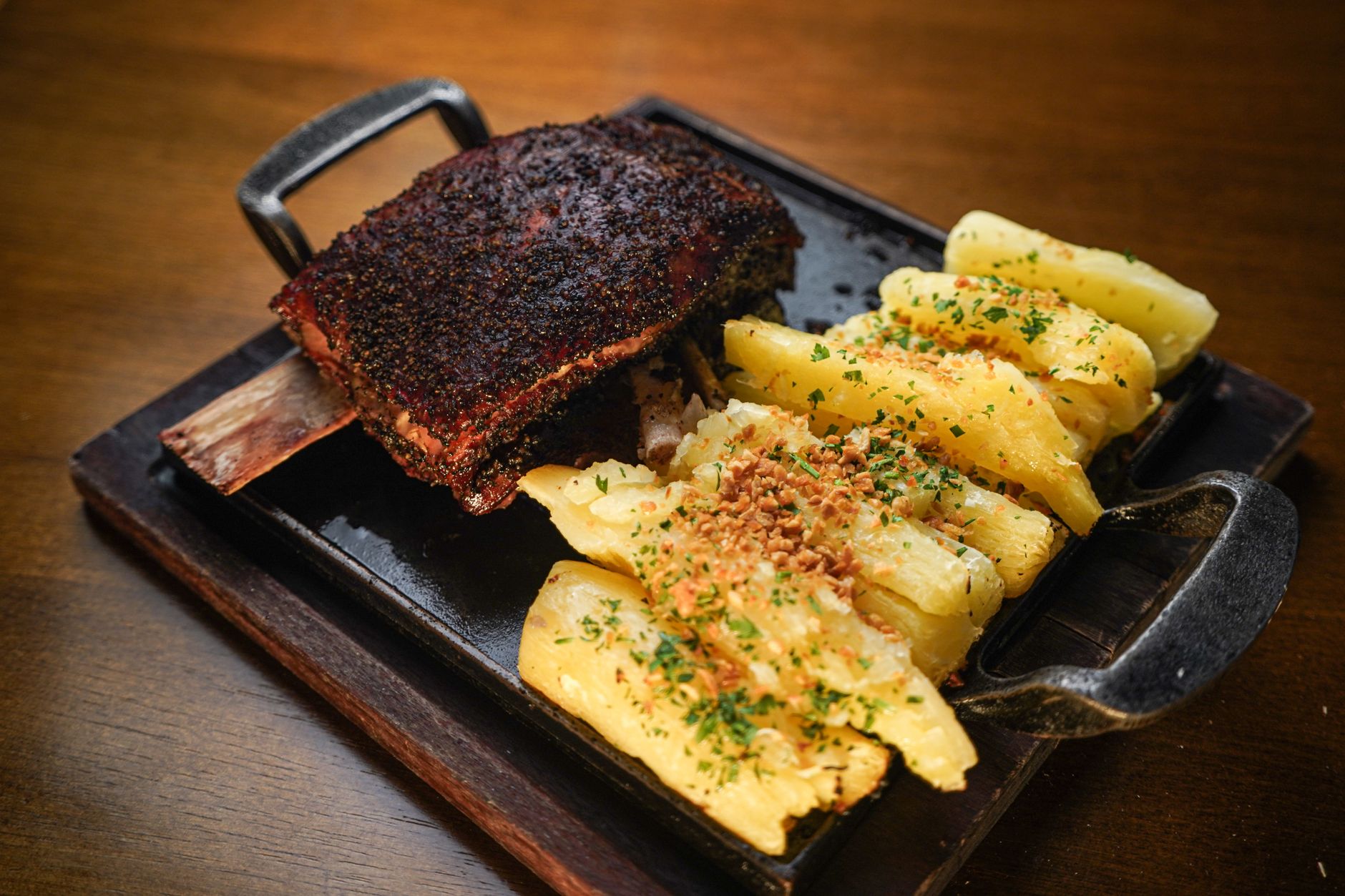
When preparing a meal for a gathering of eight adults, prime rib often stands out as an impressive centerpiece. This tender and flavorful cut of beef is perfect for celebrations, holiday dinners, or any occasion where good food and great company are essentials.
But how much prime rib do you need to purchase to ensure everyone leaves satisfied? This guide will help you calculate serving sizes, understand portion recommendations, and explore cooking techniques to make your prime rib meal memorable.
How Much Prime Rib for 8 Adults?
For eight adults, plan on about 0.5 to 0.75 pounds of raw prime rib per person. This means you will need approximately 4 to 6 pounds of prime rib. The exact quantity may vary depending on side dishes served and the appetite of your guests.
Understanding Prime Rib Cuts and Yield
To choose the right amount of prime rib, it’s essential to understand the different cuts available and how each might yield meat after cooking.
What Is Prime Rib?
Prime rib, also known as standing rib roast, comes from the rib section of the cow, which contributes to its tenderness and rich flavor. It is typically well-marbled, meaning it has streaks of fat running through the meat that melt during cooking, adding moisture and flavor.
Common Cuts of Prime Rib
- Bone-in Prime Rib: This cut includes the rib bones, adding flavor and enhancing presentation but increasing weight. Expect a yield of about 50% meat after cooking.
- Boneless Prime Rib: This cut is trimmed of bones for a leaner serving and easier carving, resulting in slightly less cooking weight. It typically offers about 60% meat yield.
- Chuck Eye Roast: Though not a prime rib, it is a cheaper alternative with a similar flavor profile, though it’s slightly tougher compared to the prime cuts.
For a gathering of eight adults, you may find that a bone-in cut could be visually appealing and flavorful, while a boneless cut may be easier to manage and serve.
Calculating the Right Amount to Serve
When determining how much prime rib to purchase, consider the following factors:
Guest Preferences and Appetites
Some guests may eat heartier portions, especially if they are fans of beef. Factor in the appetites of your friends and family as you make your calculation. If you know your guests enjoy generous servings of prime rib, consider leaning towards the upper end of the 0.5 to 0.75-pound guideline.
Accompanying Side Dishes
The more side dishes you serve, the less meat you will need per person. A meal with multiple hearty side dishes, such as mashed potatoes, green beans, and bread, allows you to reduce the amount of prime rib slightly. If your side dishes include light salads or snacks, consider keeping the full amount of meat in mind.
Leftovers Planning
Some may appreciate having leftovers, which is another consideration when determining how much prime rib to buy. Leftover prime rib can be used in sandwiches, salads, and stir-fry dishes. If leftovers sound appealing, aim for the higher end of your estimate.
Ingredient List for Cooking Prime Rib
Along with the prime rib, you’ll need a few essential ingredients to enhance its flavor:
- 1 (4-6 lb) prime rib roast, boneless or bone-in
- Salt (preferably kosher)
- Freshly ground black pepper
- Garlic (minced or whole cloves)
- Herbs (such as rosemary or thyme)
- Olive oil or butter
Essential Equipment for Cooking Prime Rib
Before you start cooking, make sure you have the right tools:
- Roasting pan with a rack
- Sharp carving knife
- Instant-read meat thermometer
- Meat brush for applying oil and seasonings
- Aluminum foil (for resting and covering)
Cooking Methods for Prime Rib
There are various ways to cook prime rib, with roasting being the most traditional method. Below is a step-by-step guide using the roasting method:
Roasting Method
- Preparation: Remove the prime rib from the refrigerator and allow it to reach room temperature for about 1-2 hours before cooking. This promotes even cooking.
- Preheat Oven: Preheat your oven to 450°F (232°C).
- Seasoning: Generously rub salt, pepper, and other seasonings (like garlic and herbs) evenly over the prime rib. For even more flavor, you can make shallow incisions into the meat and insert fresh garlic cloves or herb sprigs.
- Place in Roasting Pan: Position the prime rib, bone-side down, on a rack in a roasting pan. This allows heat circulation and proper cooking.
- Initial Roast: Roast the meat in the preheated oven for 20 minutes at 450°F (232°C) to develop a nice crust.
- Reduce Temperature: After 20 minutes, reduce the oven temperature to 325°F (163°C) without opening the oven door.
- Cooking Time: Roast the prime rib until it reaches the desired internal temperature. For medium-rare, aim for 130-135°F (54-57°C), which typically takes about 15-20 minutes per pound. Consult a meat thermometer for accurate readings.
- Resting: Once the desired temperature is reached, remove the rib from the oven and tent it loosely with aluminum foil. Allow it to rest for at least 20-30 minutes to redistribute the juices.
- Carving: Slice the prime rib against the grain to serve the meat more tenderly.
Cooking Temperatures and Doneness Levels
When preparing prime rib, understanding doneness levels will help you achieve the preferred texture and juiciness:
| Doneness Level | Temperature Range (°F) | Texture and Appearance |
|---|---|---|
| Rare | 120-125°F | Cool red center, soft texture |
| Medium Rare | 130-135°F | Warm red center, tender |
| Medium | 140-145°F | Pink center, firm texture |
| Medium Well | 150-155°F | Light pink center, firmer |
| Well Done | 160°F and above | No pink, very firm |
Common Mistakes and Troubleshooting
Even seasoned cooks can face challenges when preparing prime rib. Here are common pitfalls and how to avoid them:
Overcooking the Meat
Using a meat thermometer is crucial to preventing overcooked prime rib. Check multiple spots in the meat for the most accurate temperature reading and remember that the meat will continue cooking slightly while resting.
Failing to Rest the Meat
Skipping the resting period can lead to dry prime rib. Allowing the meat to sit enables the juices to redistribute, enhancing flavor and moisture.
Inconsistent Seasoning
Ensure you generously season the meat on all sides. Uneven seasoning can lead to bland bites. Remember, flavoring the outside will influence the overall taste.
Serving Suggestions for Prime Rib
Prime rib can serve as the star of a celebratory meal. To elevate the experience, consider the following serving suggestions:
- Accompaniments: Pair the prime rib with sides such as creamy mashed potatoes, honey-glazed carrots, and a rich gravy to complement the dish.
- Wine Pairing: Opt for full-bodied red wines like Cabernet Sauvignon or Syrah to match the richness of the beef.
- Garnishes: Fresh herbs such as rosemary or thyme can add a pleasing visual touch to the presentation.
Storing and Reheating Leftovers
If you have leftovers, it’s essential to store them properly to maintain quality:
Storage
- Wrap the leftovers in aluminum foil or plastic wrap tightly to manage exposure to air.
- Store in the refrigerator for up to 3-4 days.
- For long-term storage, consider freezing the meat in airtight containers or freezer bags for up to 6 months.
Reheating
To avoid drying out the prime rib, reheat it slowly:
- Preheat your oven to 250°F (121°C).
- Wrap the prime rib in foil and place on a baking sheet.
- Heat until the internal temperature reaches around 120°F (49°C), approximately 20-30 minutes depending on thickness.
Final Thoughts on Serving Prime Rib
Now that you know how much prime rib to buy for eight adults and how to prepare it, you’re well on your way to creating an unforgettable meal. Remember to consider guest preferences, sides, and how much leftover you’d like to keep for future enjoyment. With practice and attention to detail, your prime rib dinner can become a regular highlight of your culinary repertoire.
For further exploration, check out our boneless prime rib recipe and learn how to perfect your seasoning with our prime rib rub recipe. Happy cooking!