
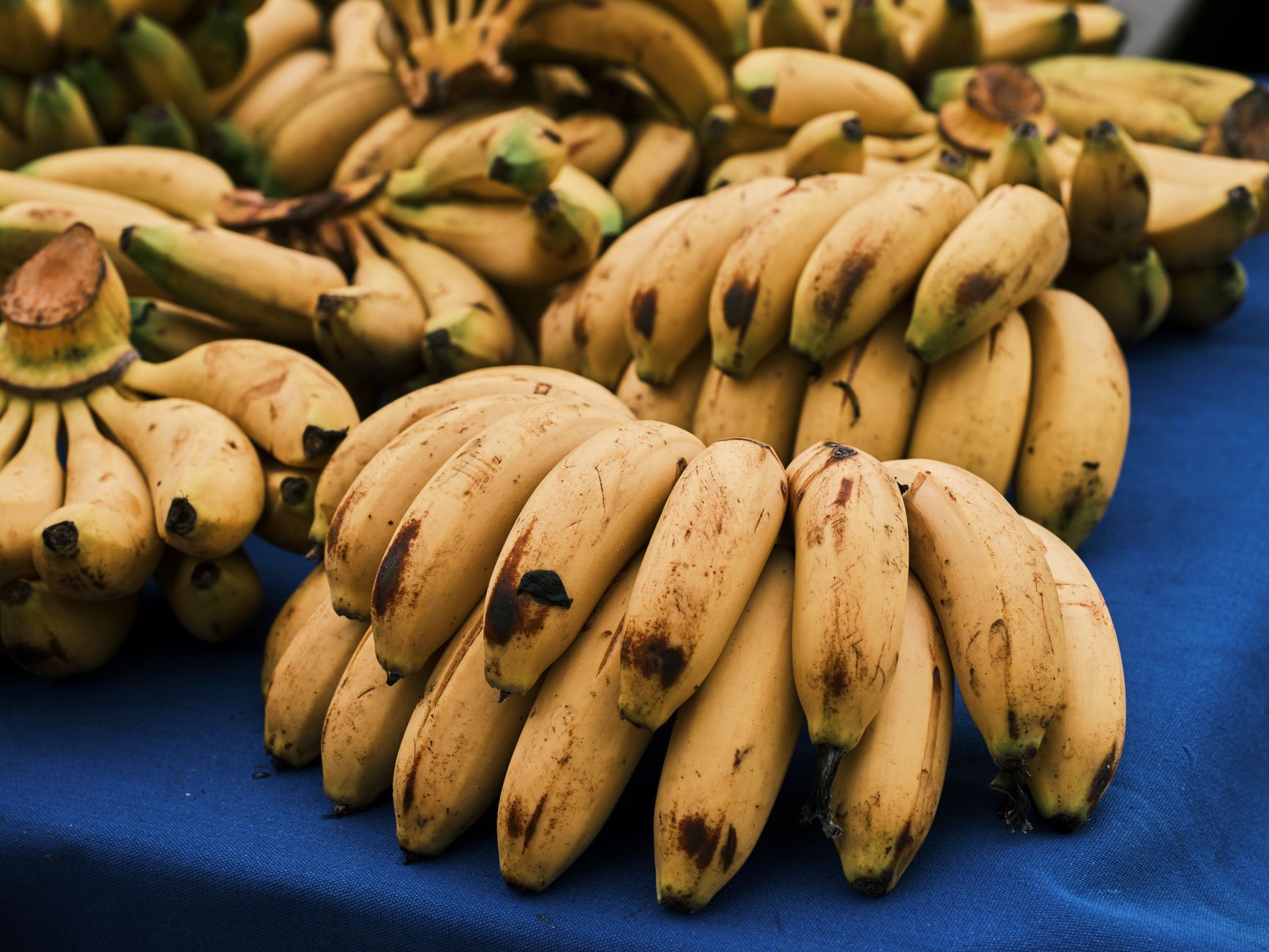
Bananas are not just a delicious, convenient snack; they are also packed with essential nutrients. One of the most notable of these nutrients is potassium, which plays a crucial role in maintaining heart health, muscle function, and overall bodily function. In this article, we will explore how much potassium bananas contain, their nutritional value, and how you can incorporate them into your diet effectively.
Understanding potassium’s importance and how bananas fit into a balanced diet can help you make informed choices about your food. Whether you’re an athlete looking for a quick source of energy or someone managing a health condition, this guide will provide helpful insights.
How Much Potassium Do Bananas Have?
Bananas are renowned for their potassium content, offering about 422 milligrams of potassium per medium banana (approximately 7-8 inches long). This amount accounts for about 9% of the daily value (DV) based on a 2,000-calorie diet. This can vary slightly depending on the size of the banana, but medium-sized bananas generally provide a reliable source of this essential mineral.
The Importance of Potassium
Potassium is a mineral and electrolyte that is vital for various bodily functions. Here are some key roles that potassium plays:
- Regulating Fluid Balance: Potassium helps maintain fluid balance in the body, ensuring cells function properly.
- Supporting Muscle Contraction: This mineral is essential for muscle function, helping muscles to contract and relax appropriately.
- Maintaining Heart Health: Adequate potassium intake can help lower blood pressure by counteracting the effects of sodium.
- Facilitating Nerve Function: Potassium aids in transmitting electrical signals in the body, which is crucial for nerve function.
Adequate potassium intake is particularly important for those at risk of hypertension, stroke, and other cardiovascular conditions. Thus, incorporating potassium-rich foods like bananas into your daily diet can be beneficial.
Nutritional Profile of Bananas
Besides potassium, bananas provide a wide range of other vitamins and minerals. Here’s a breakdown of what a medium banana contains:
- Calories: 105
- Carbohydrates: 27 grams
- Fiber: 3 grams
- Sugar: 14 grams
- Protein: 1.3 grams
- Vitamin C: 17% of the DV
- Vitamin B6: 20% of the DV
- Magnesium: 8% of the DV
Bananas are a low-calorie, fiber-rich fruit that can satisfy your sweet cravings healthily. They are gluten-free, making them suitable for various dietary preferences, and can be easily added to many meals.
How to Enjoy Bananas
Bananas are incredibly versatile and can be incorporated into your diet in various ways. Here are a few practical ideas on how to enjoy them:
- As a Snack: Enjoy a banana as is, adding a nut butter spread for extra protein.
- In Smoothies: Blend bananas into smoothies for natural sweetness and creaminess.
- Baked Goods: Use mashed bananas in recipes for banana bread, pancakes, or muffins.
- In Salads: Slice bananas and add them to fruit salads for refreshing sweetness.
- Frozen Treats: Freeze sliced bananas for a refreshing treat or smoothie base.
Portions and Recommended Daily Intake
The recommended daily intake of potassium for adults is about 2,500 to 3,000 milligrams per day, depending on age, gender, and health needs. Incorporating one medium banana into your daily diet provides a significant portion of this requirement.
Here are some suggestions for how you can meet your potassium needs throughout the day:
- Breakfast: A banana with oatmeal or yogurt.
- Snack: A banana with almond butter.
- Lunch: Add slices of banana to a smoothie or a fruit salad.
- Dessert: Use bananas in a healthy dessert, such as banana ice cream or banana bread.
Combining Other Potassium-Rich Foods
While bananas are an excellent source of potassium, it’s beneficial to include a variety of potassium-rich foods in your diet to meet your daily requirements. Consider adding the following foods to your meals:
- Avocados
- Sweet potatoes
- Spinach
- Potatoes
- Beans
- Oranges
- Dried fruits like apricots and prunes
By diversifying your potassium sources, you can enjoy different flavors and textures while meeting your nutritional needs.
Potassium and Health Considerations
While potassium is crucial for health, it’s important to consume it in moderation. For most healthy individuals, a diet rich in potassium is safe and beneficial. However, certain medical conditions may affect how your body regulates potassium levels.
- Kidney Disease: Individuals with kidney problems may need to monitor their potassium intake, as the kidneys may struggle to eliminate excess potassium.
- Hyperkalemia: This condition occurs when potassium levels are too high in the blood and can lead to serious health issues. Those at risk should consult a healthcare professional for dietary advice.
- Hypokalemia: On the flip side, low potassium levels can cause muscle weakness and cramps. This can occur due to certain medications or a poor diet.
Common Questions About Bananas and Potassium
Do ripe bananas have more potassium than green bananas?
The potassium content remains relatively consistent in bananas throughout their ripening process. However, as bananas ripen, their sugar content increases, which may make ripe bananas taste sweeter, but their potassium level remains comparable.
Can I get enough potassium from bananas alone?
While bananas are an excellent source of potassium, they should be part of a balanced diet that includes various food sources. Relying solely on bananas may lead to an inadequate intake of other essential nutrients.
Potential Substitutions and Variations
If you’re looking to reduce banana consumption or want to try alternatives, here are some substitutes that also contain potassium:
- Sweet Potatoes: A great source of potassium with a slightly sweet flavor; good for roasting or mashing.
- Avocados: Creamy and rich in potassium, ideal as a spread or in salads.
- Coconut Water: A hydrating option that’s high in potassium and often used in beverages.
Keep in mind that the texture and flavor profile may differ from bananas, so they may work better in certain dishes rather than others.
Tips for Storing Bananas
Proper storage can prolong the freshness of your bananas and help maintain their nutritional content:
- Keep bananas at room temperature until they ripen. To speed up ripening, place them in a paper bag.
- Once ripe, if you want to prolong their lifespan, place them in the refrigerator. The skin may darken, but the fruit inside will remain fresh longer.
- For longer storage, consider freezing bananas. Peel and slice them, then store in an airtight container for later use in smoothies or baked goods.
Cooking with Bananas
Bananas can be a wonderful ingredient in various recipes beyond just snacking. Here are a couple of practical applications:
Banana Bread Recipe
- Preheat the oven to 350°F (175°C).
- In a mixing bowl, mash 3 ripe bananas.
- Add 1/3 cup melted butter and blend well.
- Mix in 1 teaspoon baking soda, a pinch of salt, and 1/2 teaspoon vanilla extract.
- Stir in 1 cup sugar, 1 beaten egg, and 1 cup of all-purpose flour until combined.
- Pour the batter into a greased loaf pan.
- Bake for 60-65 minutes or until golden brown and a toothpick comes out clean.
This easy recipe for banana bread utilizes the natural sweetness and moisture of bananas while providing an excellent way to use overripe fruit.
Banana Smoothie Recipe
- In a blender, combine 1 banana, 1 cup of milk (or plant-based milk), and a handful of spinach.
- Add 1 tablespoon of nut butter if desired for creaminess and protein.
- Blend until smooth.
- Serve chilled, and enjoy as a nutritious breakfast or snack!
Conclusion
Understanding how much potassium bananas have underscores their importance as a staple fruit in many diets. With around 422 milligrams of potassium per medium banana, they contribute significantly to your daily nutrient intake. Not only are they an easy snack option, but they can also enhance various dishes, from smoothies to baked goods.
Make bananas a part of your healthy lifestyle, keeping in mind that they work best as part of a varied diet rich in fruits, vegetables, and other potassium sources. Enjoy the versatility of bananas in your kitchen today!
For more information on dietary fiber in bananas, check out how much fiber in banana. Additionally, you might find it interesting to learn how to make delicious banana bread. Explore these resources for more inspired cooking!