
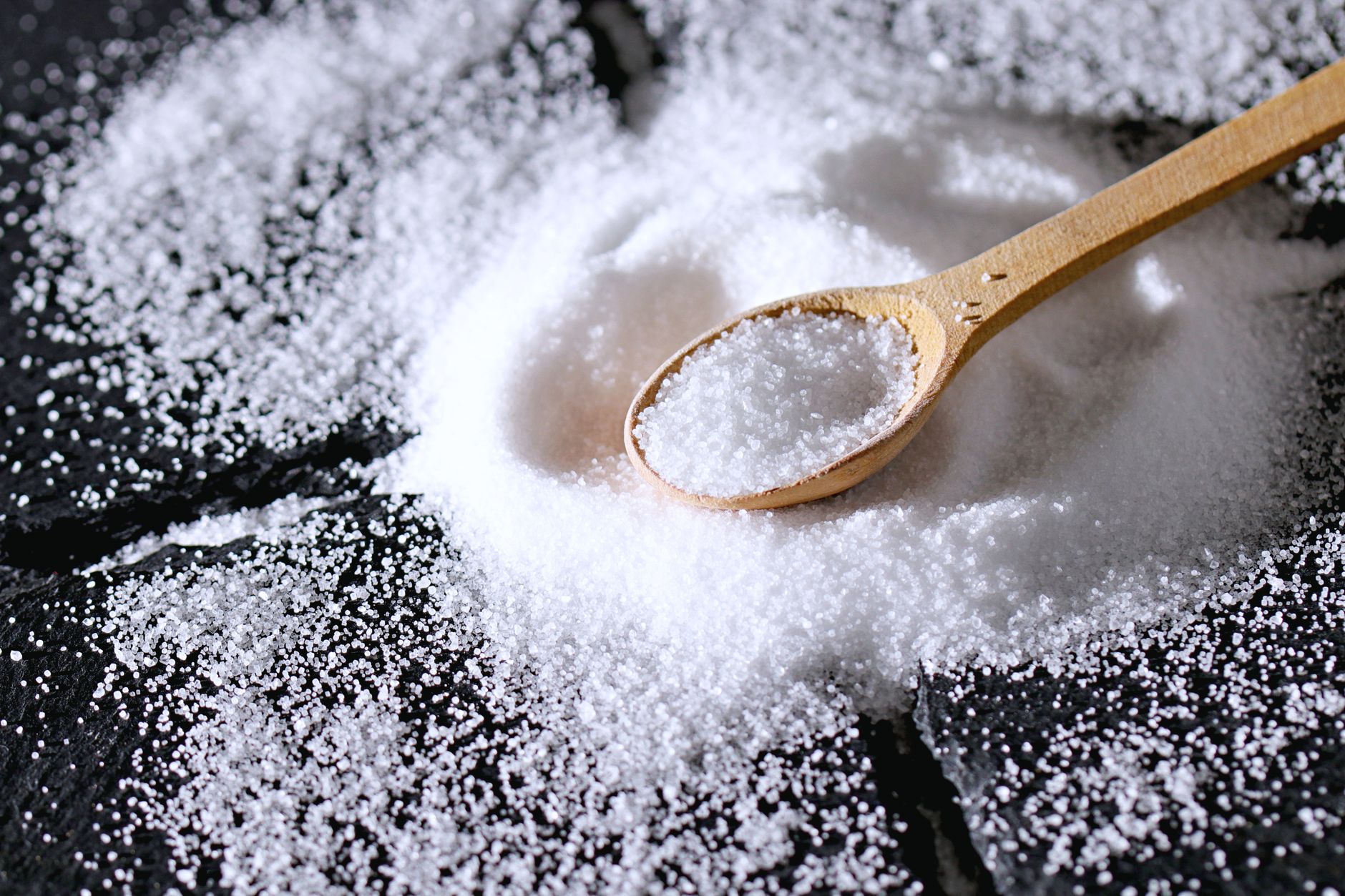
When it comes to cooking and baking, precise measurements are key to achieving delicious results. One common question many home cooks ask is, “How many tablespoons are in a cup?” or “What if I need only a tablespoon of an ingredient?” Understanding tablespoon measurements and how they convert will help you achieve better results in the kitchen. This article will provide you with not only conversion tips but also practical uses, creative substitutions, and other essential kitchen measurement insights.
Whether you’re an experienced chef or a kitchen novice, grasping the basics of tablespoon measurements is crucial for successful cooking and baking. In this comprehensive guide, you will find all the information you need regarding tablespoons, including conversion tables, use cases, and tips to ensure your cooking experience is smooth and enjoyable.
How Many Tbsp Are in a Cup?
One cup is equivalent to 16 tablespoons. This measurement is fundamental in cooking and baking, as many recipes will list ingredients in various units. Knowing this conversion will allow you to be flexible and precise, depending on your needs.
The Importance of Accurate Measurements
Measurements directly impact the outcomes of your cooking and baking. Using too much or too little of an ingredient can alter the flavor, texture, and appearance of the final dish. Here are some key reasons why accurate measurements matter:
- Consistency: Accurate measurements help create consistent dishes each time you prepare them. This is particularly crucial in baking, where ratios of ingredients are vital to achieving the desired texture and rise.
- Flavor Balance: Many recipes rely on precise ingredient ratios to balance flavors. For instance, an excess of salt or sugar can overwhelm a dish.
- Food Safety: When canning or preserving, precise measurements can be essential for safety. For example, the balance of acids in relation to sugars can affect the final product’s safety.
Common Cooking Conversions
Below is a table summarizing common cooking measurements and conversions that will be beneficial in your kitchen. Familiarizing yourself with these can save you time and effort while cooking.
| Measurement | Equivalent |
|---|---|
| 1 cup | 16 tablespoons |
| 1/2 cup | 8 tablespoons |
| 1/3 cup | 5 tablespoons + 1 teaspoon |
| 1/4 cup | 4 tablespoons |
| 1 tablespoon | 3 teaspoons |
| 1 teaspoon | 1/3 tablespoon |
Using Tablespoons in Cooking
Tablespoons are versatile and frequently used in both cooking and baking. They are typically used to measure ingredients such as:
- Liquids: Water, oil, broth, and sauces.
- Sugars: Granulated, brown, and powdered sugar.
- Spices and Seasonings: Salt, pepper, and herbs.
- Condiments: Mustard, mayonnaise, and ketchup.
Practical Tips for Measuring with Tablespoons
1. Use Appropriate Tools
When measuring with tablespoons, it’s vital to use the right tools. A standard tablespoon measuring spoon, used solely for measuring ingredients, is essential. Avoid using regular utensils, as they are not standardized and can lead to inaccurate measurements.
2. Level Off Your Measurements
For dry ingredients like sugar or flour, always level off the tablespoon with a straight edge (like a knife or spatula). This will ensure you have the exact amount specified in the recipe.
3. Add Ingredients Gradually
When measuring sticky ingredients like honey or peanut butter, lightly coat the tablespoon with oil to help it slide out easily. For more accuracy, add these ingredients gradually rather than all at once to avoid overfilling.
Ingredient Substitutions: When You’re Out of a Key Item
Occasionally, you may find yourself needing a specific ingredient but having run out. Here are some common substitutions that can help you navigate those kitchen dilemmas without compromising the flavor of your dish.
1. Brown Sugar vs. White Sugar
If you’re out of brown sugar, you can make your own! For every tablespoon of brown sugar needed, you can substitute it with one tablespoon of white sugar mixed with a teaspoon of molasses. This will recreate the moisture and flavor profile of brown sugar.
2. Baking Powder vs. Baking Soda
In some cases, if you’re out of baking powder, you can substitute one tablespoon of baking powder with one-fourth teaspoon of baking soda and one-half tablespoon of vinegar. However, this substitution works best in recipes where a reaction can occur (like cookies), and it may not provide the same rise as baking powder.
3. Fresh Herbs vs. Dried Herbs
Fresh herbs can be substituted with dried herbs in a pinch. A general rule of thumb is to use one-third of the amount of dried herbs compared to the fresh amount called for. For example, if a recipe calls for 1 tablespoon of fresh basil, you would use about 1 teaspoon of dried basil instead.
Common Mistakes with Measurements
Even seasoned cooks can make measurement mistakes. Here are some common pitfalls and how to avoid them:
- Using the Wrong Measurement: Double-check whether a recipe calls for tablespoons or teaspoons. Using the wrong unit can drastically affect the outcome.
- Not Leveling Ingredients: Failing to level off dry ingredients can lead to using too much. Always level off with a straight edge.
- Eyeballing Measurements: While seasoned cooks may feel comfortable estimating portions, it’s best to rely on precise measurements, especially in baking.
Measuring Food by Weight vs. Volume
While tablespoons measure volume, you might also come across recipes that list ingredients by weight. Understanding this distinction can enhance your cooking, especially when following recipes from different regions where measurements may vary greatly.
1 tablespoon of water weighs about 15 grams (0.52 ounces). This conversion can vary based on the density of the ingredient, so for accurate results, you may want to invest in a kitchen scale. This will allow you to measure both volume and weight accurately, resulting in a perfectly balanced dish.
How to Make Your Own Measurement Tools
If you find yourself in a situation without measuring spoons, you can make some quick calculations to get approximately the right sizes. Here are some tips:
1. Use Common Utensils
A standard coffee cup can hold roughly 8 ounces (1 cup), and a standard spoon is generally about one teaspoon in volume. In cases where precision isn’t critical, these can serve as makeshift tools.
2. Learn to Eye It
Many experienced cooks develop a good visual sense for estimating tablespoon measurements. For example, a tablespoon is about the size of an average adult’s thumb. While not the most accurate method, it can be handy in informal cooking.
Making the Most of Your Ingredients
Using tablespoons for ingredient measurements can help you maximize how you use your cooking components. These tips may inspire you to incorporate more variety in your dishes:
1. Utilize Your Spices
A tablespoon of spices can bring a complete transformation to a dish, from savory to astonishing. Experiment by adding one tablespoon of your favorite herb or seasoning to simple dishes for enhanced flavor.
2. Enhance Soups and Sauces
A tablespoon of a flavor enhancer, such as soy sauce or lemon juice, can elevate a bland soup or sauce significantly. Be experimental with your additions, but keep in mind the balance of flavors.
Storing and Maintaining Your Ingredients
Proper storage of ingredients is essential for maintaining freshness and usability. Here are some quick storage tips:
- Keep dry ingredients like flour and sugar in a cool, dry place: This prevents clumping and spoilage. Airtight containers work best.
- Store spices in a dark cabinet: This preserves their potency; light can degrade their flavor over time.
- Properly seal oils and vinegars: Ensure the caps are tightly on to prevent oxidation and spoilage.
Conclusion
Understanding tablespoon measurements and conversions allows for a smoother cooking experience and leads to more consistent results in your culinary endeavors. By keeping measurement tips, ingredient substitutions, and proper storage practices in mind, you can make the most of your cooking sessions.
Ready to dive into some practical cooking? Explore how to measure water for rice with our guide on how much water for rice, or if you’re in the mood for seafood, check our guide on crabs per bushel for your next feast. Happy cooking!