
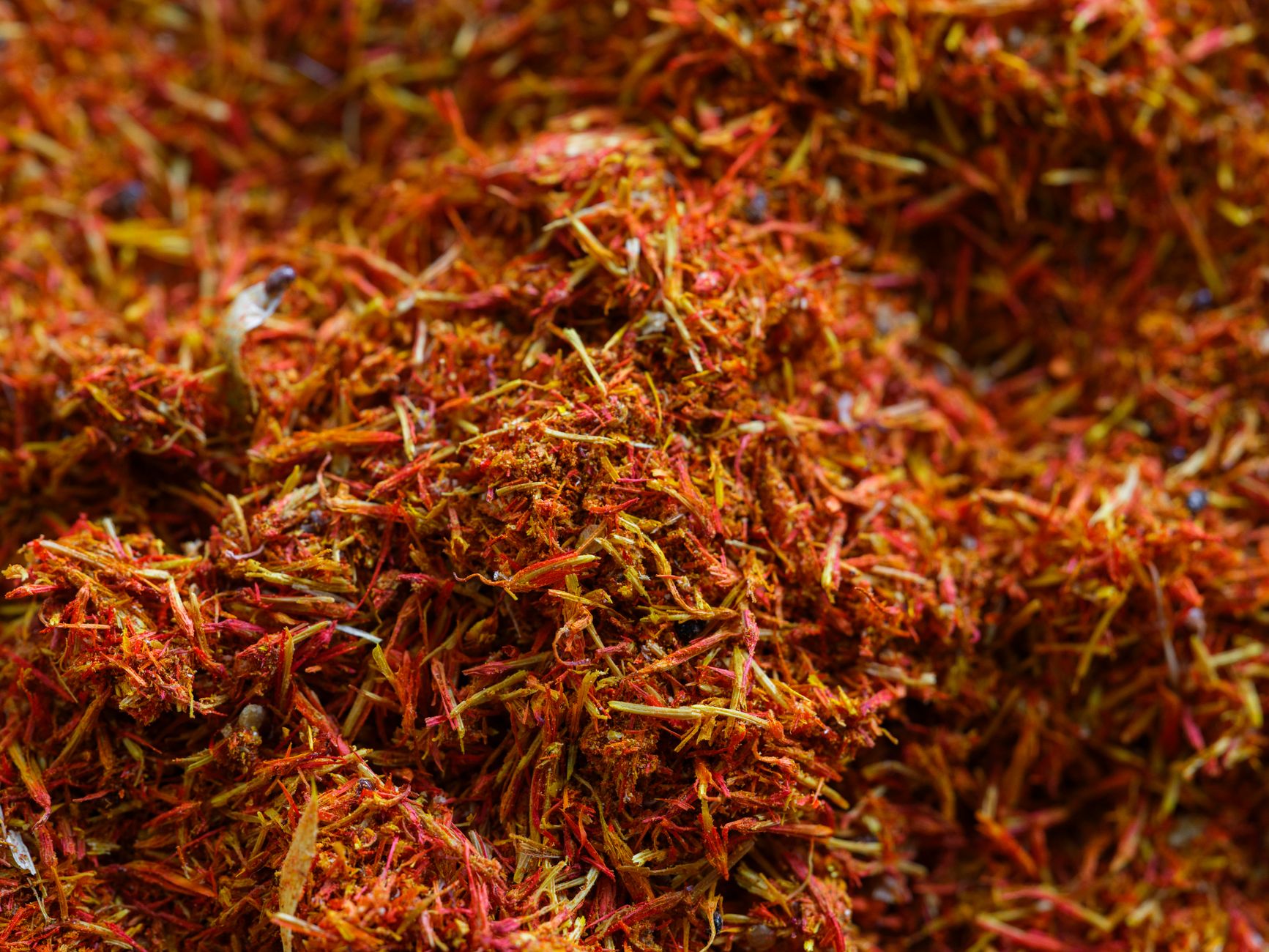
Saffron, known for its distinct flavor, vibrant color, and incredible aroma, is a luxury spice that elevates various dishes, from paella to risotto. However, due to its labor-intensive harvesting method, saffron is often priced at a premium. Understanding how much a gram of saffron costs can help both amateur and seasoned cooks to appreciate and budget for this exquisite ingredient.
This article explores the price of saffron, factors influencing its cost, and how to use it effectively in your kitchen. We will also cover substitutes and give insights into its culinary applications.
How Much Is a Gram of Saffron?
The price of saffron typically ranges from $10 to $30 per gram, depending on the quality, origin, and vendor. Factors such as the specific grade of saffron and seasonal crop yields can also significantly affect the pricing. It is important to compare different sources before purchasing to ensure you’re getting quality saffron at a fair price.
Understanding Saffron Quality
Saffron quality is paramount to both its flavor and cost. The most crucial elements influencing saffron quality include:
- Origin: Common producing regions are Iran, Spain, and India, particularly Kashmiri saffron. Each area offers unique flavor profiles and color intensities.
- Harvesting method: Saffron is hand-harvested, making labor costs high. Premium quality saffron comes from the first flower blooms, known as the ‘first flush.’
- Appearance and aroma: Quality saffron should have bright red stigmas with a slight yellow base. It should exude a natural fragrance and not be too brittle or dry.
Buying Saffron: Where to Shop
Saffron can be found in various outlets, each offering different pricing and quality levels:
- Grocery Stores: Many supermarkets stock saffron in the spice aisle. Prices may be higher here due to limited supply and high overhead costs.
- Specialty Food Stores: These stores often provide higher quality saffron and knowledgeable staff who can assist with your selection.
- Farmers’ Markets: Local producers may have saffron, providing a chance to taste before you buy.
- Online Retailers: Websites specializing in spices may offer the best deals. Look for customer reviews to gauge quality.
Using Saffron in Cooking
Once you’ve purchased saffron, knowing how to incorporate it into your dishes is essential. Here’s a guide to using saffron effectively:
How to Prepare Saffron
Saffron needs to be prepared correctly to release its flavors and color effectively. The process involves:
- Infusion: Place the saffron threads in a small bowl.
- Adding Liquid: Pour a tablespoon or two of warm water or broth over the saffron. Avoid boiling water as it can diminish the flavor.
- Letting it Sit: Allow the saffron to steep for at least 10 to 15 minutes to extract its color and aroma.
Flavor Profile and Cooking Suggestions
Saffron has a complex yet subtle flavor, often described as earthy, slightly sweet, and floral. Here are some culinary applications:
- Risottos: Saffron-infused risotto is a classic, resulting in a creamy dish with a vibrant hue.
- Paella: Saffron is essential in traditional Spanish paella, giving the rice its signature golden color and unique flavor.
- Breads: Incorporating saffron into dough for breads adds depth and a hint of luxury.
- Soups and Stews: A pinch of saffron can enhance the complexity of flavor in soups and stews.
Substitutions for Saffron
If you cannot find saffron or wish to substitute it for budget reasons, consider these alternatives:
- Turmeric: While it lacks saffron’s flavor, turmeric offers a similar color. Use about 1/4 teaspoon of turmeric in place of 1/4 teaspoon of saffron.
- Annatto: This seed provides a bright orange color and a slightly peppery flavor, though it’s milder than saffron. Use at a 1:1 ratio.
- Curry Powder: Depending on the dish, curry powder can give a different profile and may not mimic saffron’s unique taste but can provide color. Start with a small amount and adjust to taste.
Common Mistakes When Cooking with Saffron
Using saffron requires attention to detail. Here are some mistakes to avoid:
- Not Infusing: Avoid adding saffron directly to a dish without infusing it first, as this can lead to uneven flavor distribution.
- Using Too Much Saffron: Since saffron is potent, begin with a small amount and adjust according to taste.
- Boiling Saffron: Boiling liquid can ruin saffron’s delicate flavor; always use warm liquid for infusion.
Storing Saffron
Proper storage of saffron is crucial for maintaining its quality:
- Keep it Cool and Dark: Store saffron in a cool, dark place, like a pantry or a spice cabinet, away from sunlight and heat.
- Sealed Container: Use a small, airtight container to protect saffron from moisture and air.
- Check Freshness: Saffron doesn’t spoil but can lose its potency over time, so use it within 2-3 years of purchase for the best results.
Conclusion
Understanding how much a gram of saffron costs and how to use it can greatly enhance your culinary endeavors. While saffron is a premium spice with a higher price tag, its flavor and color can transform ordinary dishes into extraordinary ones, making it a worthy addition to your pantry.
Ready to cook with saffron? Explore how saffron can elevate your dishes, and do not forget to look into flavor profiles in our article on What Does Saffron Taste Like and potential substitutes in What Is a Good Substitute for Rosemary.