
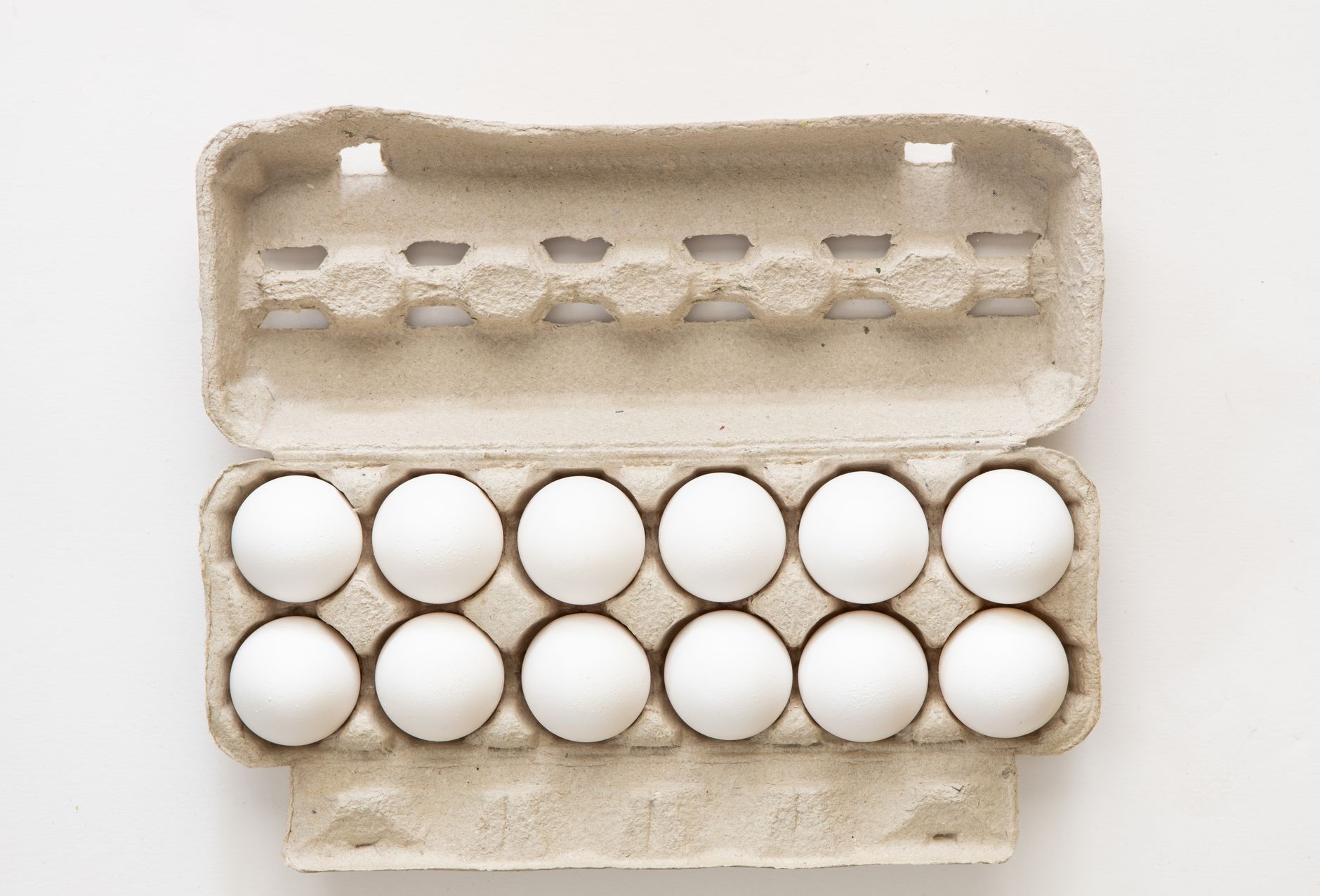
How much is a dozen of eggs? This question can impact meal planning, budgeting, and cooking. Knowing current prices for eggs is essential for budgeting your grocery shopping, especially in times of fluctuating market values. In this article, we will break down the price ranges, practical applications, and variations of egg products, making your chicken egg purchasing experience smoother.
Eggs are a versatile ingredient that can be used in everything from breakfast dishes to baked goods and savory meals. With their protein-rich content and relative affordability, they have become a staple in kitchens around the world. Let’s dive into understanding the prices, portion sizes, and how to effectively use eggs in your cooking.
How Much Is a Dozen of Eggs?
The price of a dozen eggs can vary widely based on factors like location, brand, and farming methods. On average, you can expect to pay between $2 to $4 for a dozen eggs at grocery stores. Organic or free-range eggs typically cost more, ranging from $4 to $6 or higher.
In urban areas or specialty markets, prices may be higher due to transportation costs and demand. Always check local stores or farmer’s markets, as prices can fluctuate seasonally and can often be more affordable than larger chains.
Factors Affecting Egg Prices
Several factors can affect how much a dozen eggs costs:
- Farming Method: Conventional eggs are usually the most affordable option, while organic, free-range, and pasture-raised eggs can be significantly more expensive due to their higher production costs.
- Location: Prices differ from urban to rural areas. Proximity to egg-producing farms can lower prices in certain regions.
- Packaging: Eco-friendly or specialty packaging can drive prices up, especially for brands marketing high-quality eggs.
- Market Demand: Price changes can occur due to seasonal demand increases, holiday cooking needs, or changes in the feed prices for chickens.
Understanding Egg Types
It’s important to recognize the differences between egg types as these can influence your decision when buying:
- Conventional Eggs: Conventional eggs are produced in large facilities with many chickens housed indoors. They are generally less expensive and commonly found in stores.
- Free-Range Eggs: Chickens that lay free-range eggs are granted some outdoor access, which can lead to a slightly higher price but also better conditions for the birds.
- Organic Eggs: Organic eggs come from hens that are fed organic feed and have access to outdoor areas. These eggs usually have the highest price and are marketed for their perceived quality and environmental benefits.
- Pasture-Raised Eggs: This category has even stricter guidelines as hens must be kept on pasture with lots of space to roam. They are typically the most expensive due to the added care in raising the chickens.
Portion Sizes and Serving Suggestions
A standard serving size for eggs is two large eggs, which provides a healthy amount of protein and essential nutrients. Based on this, a dozen eggs could be used to serve up to six people, assuming each person has two eggs in their meal.
Common Uses of Eggs
Eggs are incredibly versatile and can be prepared in numerous ways, making them suitable for various dishes:
- Breakfast: Scrambled, poached, boiled, or in an omelet, eggs can form the basis of a hearty breakfast.
- Baking: Eggs serve as binders in cakes, cookies, and bread, contributing to the texture and moisture of baked goods.
- Salads: Hard-boiled eggs are a nutritious addition to salads, adding protein and flavor.
- Sauces: Eggs can be used to create sauces such as hollandaise or as a thickening agent in custards and creamy sauces.
- Snacks: Deviled eggs or egg salad on toast are popular snack options that are both satisfying and easy to prepare.
How to Store Eggs
Proper storage of eggs can extend their freshness and usability. Here are some tips on storing your eggs:
- Keep eggs in their original carton in the refrigerator. This helps protect them and prevents them from absorbing odors from other foods.
- Store eggs on a middle shelf rather than the door. The temperature in the door fluctuates more.
- Check the sell-by date on the carton, and avoid using eggs that are far past this date.
How Long Can Eggs Last?
Eggs can last quite some time if stored correctly in the refrigerator. Generally, they can be safe to eat for about 3-5 weeks past the sell-by date if they’ve been properly refrigerated. For more detailed guidance on egg longevity, refer to How Long Can You Keep Eggs in the Refrigerator?.
Egg Substitutions in Cooking and Baking
For those who may not be able to use eggs due to allergies, vegan dietary preferences, or simply running out, there are many substitutes that can work well in various recipes:
- Flaxseed Meal: Mix 1 tablespoon of ground flaxseed with 2.5 tablespoons of water; let it sit for a few minutes until it becomes gelatinous. This works well in baked goods.
- Applesauce: Use 1/4 cup of applesauce per egg for moisture in cakes or muffins.
- Mashed Bananas: Replace an egg with 1/4 cup of mashed banana to add sweetness and moisture to baked items.
- Silken Tofu: Blend 1/4 cup of silken tofu to replace an egg in recipes requiring smooth textures.
What to Consider When Substituting Eggs
Switching out eggs for substitutes can change the outcome of your dish. Here are key points to keep in mind:
- Texture: Some substitutes may alter the final texture and moisture of baked goods, possibly making them denser or wetter.
- Flavor: Flax and bananas can impart their own flavors. Consider how these might affect the dish.
- Binding Properties: Eggs help bind ingredients together. Ensure that substitutes you choose also have similar properties to maintain the integrity of the final dish.
Common Mistakes When Cooking Eggs
Even simple egg dishes can pose challenges. Here are common pitfalls to avoid:
- Overcooking: Overcooking eggs can lead to rubbery textures, particularly in scrambled eggs or omelets. Cook them over low heat for tender results.
- Not Using Fresh Eggs: Fresh eggs are better for poaching and frying as they hold their shape better than older eggs that may spread out in the pan.
- Using the Wrong Temperature: While baking, follow the recipe’s specified temperature. Too high can lead to cracked or dried-out eggs in baked dishes.
Easy Egg Recipes
Here are a few simple recipes to incorporate more eggs into your meals:
Scrambled Eggs
This classic dish can be a hearty breakfast or a side dish.
- Ingredients:
- 4 large eggs
- 1 tablespoon milk (optional)
- Salt and pepper to taste
- Butter or oil for cooking
Preparation time: 5 minutes | Cooking time: 5 minutes | Total time: 10 minutes
- In a bowl, whisk the eggs, milk, salt, and pepper together until combined.
- Heat butter or oil in a non-stick skillet over medium heat.
- Pour the egg mixture into the pan. Allow it to sit for a few moments.
- Gently stir with a spatula, folding the eggs over themselves until just cooked but still soft.
- Serve immediately.
Easy Egg Salad
Perfect for sandwiches or as a snack, this can be made ahead of time and stored in the fridge for a couple of days.
- Ingredients:
- 6 hard-boiled eggs, coarsely chopped
- 1/4 cup mayonnaise
- 1 teaspoon mustard
- Salt and pepper to taste
- Lettuce or bread for serving
Preparation time: 10 minutes | Cooking time: 15 minutes | Total time: 25 minutes
- In a bowl, mix chopped eggs, mayonnaise, mustard, salt, and pepper until combined.
- Serve the egg salad on lettuce or between slices of bread.
Conclusion
Understanding the cost and value of a dozen eggs helps equip you for meal planning and cooking decisions. Remember to consider the different types of eggs and their various culinary uses. Keep your eggs properly stored to maximize their freshness and longevity, and don’t shy away from egg substitutes if needed. By incorporating eggs into your meals, you are not only enriching your dishes but also enjoying a highly nutritious ingredient.
For further reading on egg storage and longevity, explore how long you can keep eggs in the refrigerator and how long eggs last after the sell-by date.