
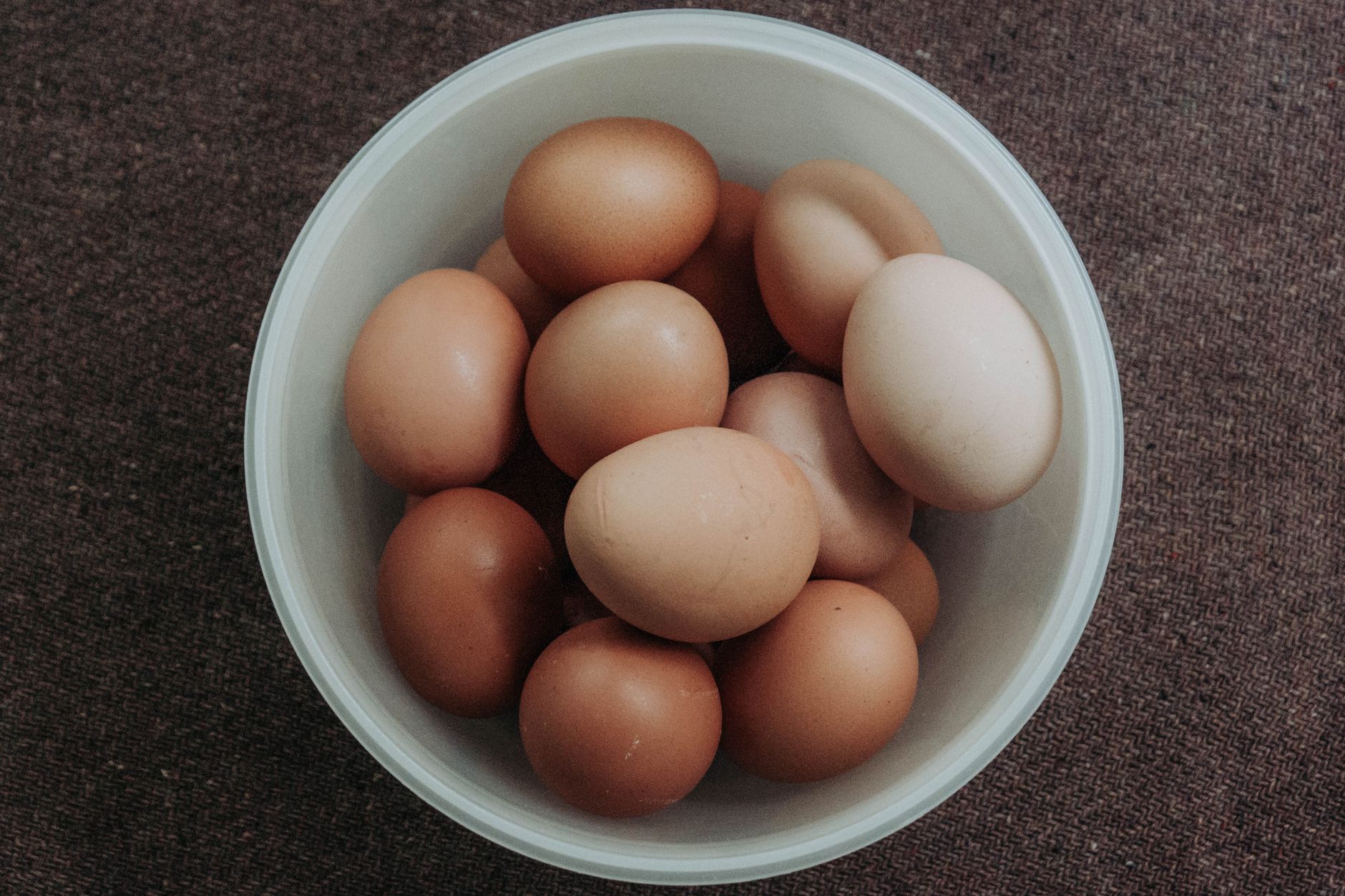
Eggs are a staple in many diets around the world, not only for their culinary versatility but also for their nutritional benefits. One essential nutrient that often goes overlooked is iodine, a mineral critical for thyroid function and overall health. Understanding how much iodine is in an egg can help you make informed dietary choices.
This article provides an in-depth look at iodine content in eggs, its importance, how serving sizes affect iodine intake, and practical tips for incorporating iodine-rich foods into your diet.
How Much Iodine Is in an Egg?
On average, a large egg contains approximately 24 micrograms (mcg) of iodine. This amount may vary slightly based on the hen’s diet and the egg’s specific source. For context, the recommended dietary allowance (RDA) for iodine is 150 mcg for most adults, making eggs a valuable addition to a balanced diet.
The Role of Iodine in the Body
Iodine is an essential trace element that plays a crucial role in human health. It is primarily used by the thyroid gland to produce thyroid hormones, which regulate various bodily functions, including metabolism, growth, and development.
Deficiencies in iodine can lead to several health issues, such as goiter, hypothyroidism, and cognitive impairments. Pregnant women, in particular, need adequate iodine levels to support fetal growth and development, hence the importance of including iodine-rich foods like eggs in one’s diet.
Factors Affecting Iodine Content in Eggs
The iodine content of eggs can vary due to several factors:
- Hen’s Diet: Hens that are fed iodine-rich feed will produce eggs with higher iodine levels. Seaweed, iodized salt, and certain supplements can increase iodine content in their diet.
- Egg Size: There is a slight difference in iodine levels across egg sizes. Larger eggs may contain marginally more iodine simply due to their size.
- Farming Practices: Pasture-raised and free-range hens often have access to a more diverse diet, which can enhance the nutritional quality of their eggs, including iodine levels.
Serving Sizes and Portions
When considering how much iodine you can obtain from eggs, portion sizes are essential. A standard large egg typically weighs about 50 grams and contains around 24 mcg of iodine.
Here’s a quick breakdown of iodine content based on common serving sizes:
| Serving Size | Iodine Content (mcg) |
|---|---|
| 1 large egg (50g) | 24 mcg |
| 2 large eggs (100g) | 48 mcg |
| 3 large eggs (150g) | 72 mcg |
| 1 medium egg (44g) | 21 mcg |
How to Incorporate Eggs into Your Diet
Knowing that eggs are a good source of iodine, here are some practical tips on how to include them in your daily meals:
- Breakfast: Enjoy scrambled eggs, an omelet with vegetables, or a classic egg and toast breakfast.
- Lunch: Add boiled eggs to salads or make a hearty egg sandwich.
- Dinner: Use eggs in recipes like quiche, frittatas, or stir-fries.
- Snacks: Hard-boiled eggs are a convenient snack, offering protein and iodine.
Cooking Techniques to Retain Iodine
The way you cook eggs can also affect their nutritional quality. Here are some cooking methods that can help retain iodine levels:
- Boiling: Boiling eggs is a straightforward method. Try to avoid overcooking, as it can lead to the formation of a greenish ring around the yolk.
- Poaching: Poached eggs are cooked in simmering water, keeping them soft and tender while maintaining nutrient levels.
- Scrambling: Lightly scrambling eggs with minimal added fat can preserve their iodine content.
Common Mistakes to Avoid
When preparing eggs, certain common mistakes can occur, potentially affecting nutrition or food safety:
- Overcooking: This can lead to a rubbery texture and nutrient loss.
- Not using fresh eggs: Always check the date and quality of your eggs to ensure maximum freshness.
- Cross-contamination: Practice proper food handling to prevent contamination, especially when using eggs in raw form for dressings or mayonnaise.
Iodine Substitutes for Eggs
If you’re looking for alternative sources of iodine, consider these substitutes that can also provide dietary iodine:
- Seafood: Fish, particularly cod and shrimp, contain significant levels of iodine.
- Dairy Products: Milk, cheese, and yogurt are good sources of iodine.
- Iodized Salt: This is a straightforward way to increase iodine intake in your cooking.
- Seaweed: A prominent iodine source, especially varieties like nori, dulse, and kelp.
Meal Planning with Eggs
Incorporating eggs into your meal planning can help ensure you’re not only getting iodine but also a variety of other nutrients. Here’s a one-day meal plan featuring eggs:
- Breakfast: 2 poached eggs on whole-grain toast with avocado (48 mcg)
- Snack: Hard-boiled egg (24 mcg)
- Lunch: Spinach salad with a hard-boiled egg and walnuts (24 mcg)
- Dinner: Vegetable frittata with cheese (approximately 48 mcg)
This meal plan totals around 144 mcg of iodine, meeting the recommended dietary allowance for adults.
Storing Eggs for Optimal Freshness
Proper storage of eggs is essential for both quality and safety. Follow these guidelines:
- Keep eggs in their original carton in the refrigerator. This protects them from absorbing strong odors and flavors from other foods.
- Store eggs in the main body of the fridge rather than the door, as temperatures fluctuate more in the door.
- Use eggs within their best-by date for optimal freshness and taste.
For those wondering how long eggs last in the refrigerator, properly stored eggs can typically remain fresh for about three to five weeks.
The Importance of Balanced Nutrition
While iodine is essential, it is important to maintain a balanced diet that includes a variety of nutrients. Instead of focusing solely on iodine intake, incorporate a wide range of fruits, vegetables, proteins, and whole grains.
For a well-rounded diet, look to combine other iodine-rich foods with eggs. Nutrient-dense choices like leafy greens, nuts, and legumes complement the nutrition profile of eggs and contribute to overall health.
Conclusion: Eggs as a Nutritional Building Block
In summary, eggs are a delicious and nutrient-rich food that provides a significant amount of iodine. Their versatility allows for endless preparation methods and meal inclusion, making them an excellent component of a balanced diet.
For those interested in monitoring their iodine intake, remember that including eggs along with other iodine-rich foods will help you meet your daily needs effectively. Start incorporating this knowledge into your meal choices to enjoy the health benefits of this essential nutrient.
To explore more related topics, check out how many calories in 2 scrambled eggs or learn how long you can keep eggs in the refrigerator.