
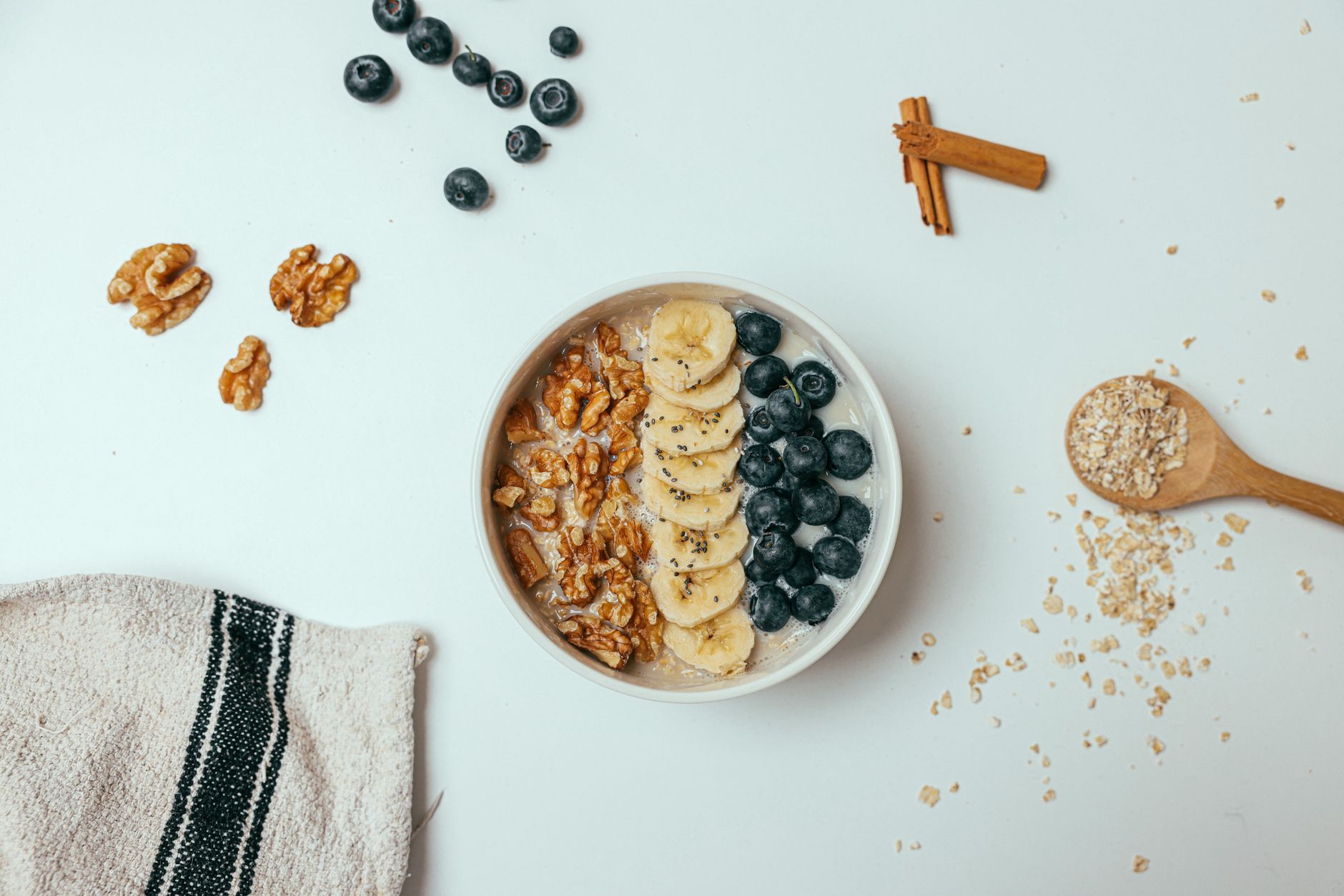
Oatmeal is a popular breakfast choice known for its versatility and health benefits, particularly its fiber content. Many people wonder just how much fiber is in oatmeal and why it matters for their diet. Understanding the fiber content in oatmeal could help you make better choices when planning meals or snacks.
This article delves into the fiber content of oatmeal, breaking down different types and serving sizes, while also explaining the impact of fiber on health and providing practical tips for incorporating oatmeal into your diet.
How Much Fiber Does Oatmeal Have?
Oatmeal can vary in fiber content based on its type and serving size. On average, a 1-cup serving of cooked oatmeal contains about 4 grams of dietary fiber, whereas dry, rolled oats provide around 8 grams of fiber per 1-cup serving. This fiber is primarily soluble, which benefits heart health and digestion.
Types of Oatmeal and Their Fiber Content
Oats come in various forms, each with a different cooking time, texture, and fiber content. Understanding these differences will help you choose the right type for your needs.
1. Steel-Cut Oats
Steel-cut oats are whole oat groats that have been chopped into pieces. They require longer cooking times but have a chewy texture and a nutty flavor.
- Fiber Content: Approximately 5 grams of fiber per 1/4 cup dry serving.
2. Rolled Oats
Rolled oats are steamed and flattened with large rollers, making them quicker to cook than steel-cut oats.
- Fiber Content: About 4 grams of fiber per 1/2 cup dry serving.
3. Instant Oats
Instant oats are precooked and then dried, offering the quickest preparation time. They have a softer texture and may also have added sugars, so check labels carefully.
- Fiber Content: Approximately 3 grams of fiber per 1 packet (often around 28 grams or 1 ounce).
4. Oat Bran
Oat bran is the outer layer of the oat grain and is high in soluble fiber, making it a nutritious addition to your diet.
- Fiber Content: Approximately 14 grams of fiber per 1/2 cup dry serving.
5. Overnight Oats
Overnight oats are made by soaking rolled or steel-cut oats in liquid overnight, allowing them to soften without cooking. The fiber content remains consistent as it is derived from the oats used.
- Fiber Content: Same as the type of oats used; typically about 4 grams per 1/2 cup if rolled oats are used.
Health Benefits of Fiber in Oatmeal
The dietary fiber in oatmeal provides numerous health benefits, enhancing your overall wellness. Here are some of the primary advantages associated with consuming fiber:
1. Digestive Health
Fiber plays a crucial role in maintaining healthy digestion. It adds bulk to stool and aids in regular bowel movements, which can help prevent constipation.
2. Heart Health
Soluble fiber, in particular, helps in lowering cholesterol levels by binding to cholesterol in the digestive system. This process may reduce the risk of heart disease.
3. Weight Management
High-fiber foods like oatmeal can promote feelings of fullness, which can help in controlling appetite and may aid in weight loss.
4. Blood Sugar Control
Oatmeal has a low glycemic index, which means it can help maintain stable blood sugar levels. The soluble fiber slows down sugar absorption, which can be beneficial for individuals with diabetes.
How to Incorporate Oatmeal into Your Diet
Oatmeal is incredibly versatile and can be prepared and enjoyed in various ways. Here are some practical tips for integrating oatmeal into your meals:
1. Breakfast Bowls
Start your day with a hearty bowl of oatmeal topped with fruits, nuts, or seeds. For added flavor and nutrition, consider incorporating honey, maple syrup, or cinnamon.
2. Smoothies
Add cooked oatmeal or oat bran to your smoothies for extra creaminess and fiber content without altering the taste significantly.
3. Baking
Use rolled oats or oat flour in baking recipes such as cookies, breads, pancakes, or muffins. Oats can enhance the nutrition profile while providing a pleasant texture.
4. Savory Dishes
Oatmeal can also be used in savory recipes. Try it as a base for grain bowls, in soups as a thickener, or as a substitute for breadcrumbs in meatloaf or meatballs.
5. Overnight Oats Variations
Experiment with different flavor combinations when preparing overnight oats. Popular options include nut butter, chocolate, chia seeds, or yogurt for added protein.
Substitutions for Oatmeal
If you’re looking for alternatives to oatmeal, there are several grains and products that offer similar health benefits:
- Quinoa: A complete protein and gluten-free option, quinoa contains about 5 grams of fiber per 1-cup cooked serving.
- Barley: High in fiber, barley offers around 6 grams of fiber per 1-cup cooked serving and has a chewy texture.
- Farro: With about 4 grams of fiber per cup cooked, farro is a hearty ancient grain suitable for breakfast or salads.
Common Mistakes and Troubleshooting
When cooking oatmeal, several common mistakes can occur, affecting texture and taste. Here are some tips to avoid issues:
1. Not Measuring Liquids Accurately
Too much water can result in soupy oatmeal, while too little can yield a dry, hard texture. Follow package instructions for water-to-oat ratios.
2. Stirring Too Aggressively
Stirring too much can lead to mushy oats. Stir gently just a few times as they cook to maintain texture.
3. Overcooking
Keep an eye on the cooking time, as overcooking can make oats gummy. Follow suggested cooking times based on the type of oats to achieve the desired texture.
4. Skipping Seasoning
Plain oatmeal can be bland. Don’t skip adding a pinch of salt or spices like cinnamon to enhance the flavor.
Storage and Reheating Tips
To enjoy oatmeal over multiple days, proper storage is essential.
1. Refrigeration
Cooked oatmeal can be stored in the refrigerator for up to 5 days in an airtight container. When reheating, add a splash of water or milk to loosen it up.
2. Freezing
Freezing cooked oatmeal is another option. Portion it out in freezer-safe containers and thaw in the refrigerator overnight before reheating. It can last in the freezer for up to 3 months.
Conclusion
Oatmeal is a nutritious breakfast option that offers a healthy dose of fiber. With variations found in steel-cut, rolled, instant oats, and oat bran, there are many ways to enjoy this versatile grain. Incorporating oatmeal into your diet can enhance digestive health, assist with weight management, and improve overall heart health. Make it a morning staple to boost your nutritional intake.
For more delicious recipes and cooking ideas, explore our Chia Pudding Recipe or try our Oatmeal Cream Pie Recipe.