
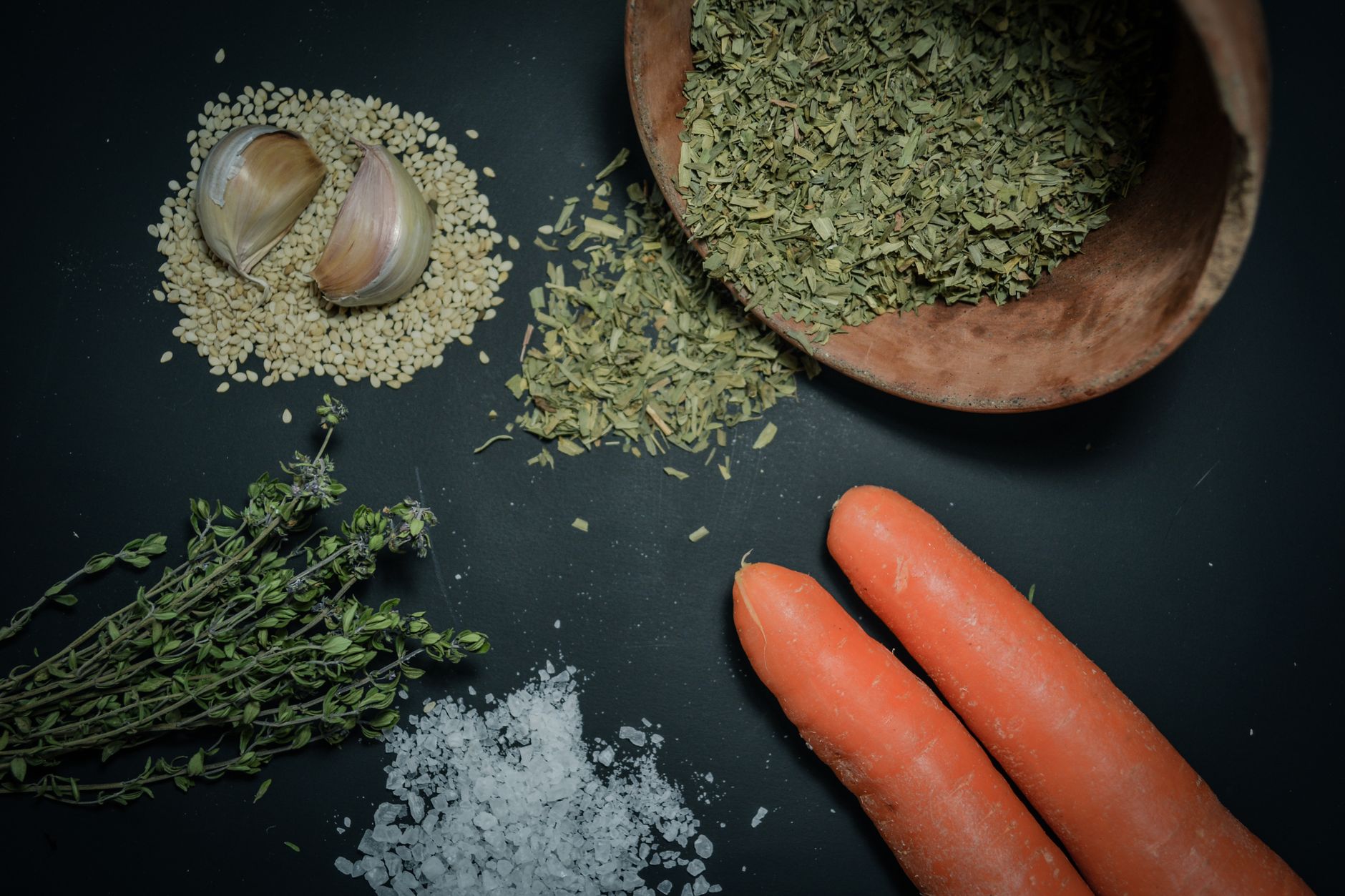
Thyme is a beloved herb that’s frequently used to flavor various dishes. Many home cooks and chefs alike often wonder about the differences between fresh and dried thyme, specifically when it comes to how much of one equals the other. This guide will clarify how much dried thyme is equal to 1 teaspoon of fresh thyme and provide additional insights on their culinary uses, flavor profiles, and tips for substitution.
Understanding the conversion between dried and fresh thyme is crucial for accurate cooking. Fresh herbs often have a more vibrant and pronounced flavor compared to their dried counterparts, which can lose some potency over time. This article will cover essential details you need to know to make the most out of these herbs.
How Much Dried Thyme Equals 1 Tsp Fresh?
The general rule of thumb is that one teaspoon of fresh thyme can be replaced with about one-third of a teaspoon of dried thyme. Therefore, if a recipe calls for 1 teaspoon of fresh thyme, you can use about 1/3 teaspoon of dried thyme as a substitute. This conversion ensures you maintain the flavor profile of your dish without overwhelming it with too much herb.
Understanding Thyme: Fresh vs. Dried
Thyme, scientifically known as Thymus vulgaris, is a versatile herb commonly used in Mediterranean, Italian, and French cuisines. Its intricate flavor combines earthy, minty, and slightly sweet notes, making it a fantastic addition to various dishes, including meats, vegetables, soups, and sauces.
Fresh thyme has a cleaner taste and a vibrant aroma, showcasing the herb’s complex flavor profile more effectively than dried thyme. When thyme leaves are dried, some of their inherent essential oils evaporate, resulting in a less intense flavor. However, dried thyme retains its flavor better than some other dried herbs, making it a reliable ingredient in many recipes.
Fresh Thyme
Fresh thyme is best utilized when cooking food that has shorter cooking times. It can be added to various dishes early in the cooking process to allow its flavors to bloom. Fresh thyme can also be used as a garnish to enhance the dish’s appearance and aroma.
Dried Thyme
Dried thyme is more concentrated in flavor and will need to be used carefully since its potency can sometimes overwhelm a dish. It’s often added to longer-cooked dishes like stews or casseroles where its flavor can deepen and integrate over time.
Conversion Table: Fresh Thyme to Dried Thyme
| Fresh Thyme | Dried Thyme |
|---|---|
| 1 tsp | 1/3 tsp |
| 2 tsp | 2/3 tsp |
| 1 tbsp | 1 tsp |
| 2 tbsp | 2 tsp |
When to Use Fresh vs. Dried Thyme
Knowing when to use fresh or dried thyme can elevate your cooking significantly. Here are some factors to consider:
- Cooking Time: If you are preparing dishes with long cooking times, like braised meats or slow-cooked soups, dried thyme is usually preferred. If you’re working with quicker recipes like salads or sautéed vegetables, fresh thyme can brighten the dish’s flavors.
- Texture: Fresh thyme retains a tender texture that can add a pleasant crunch when used as a garnish. Dried thyme will contribute solely flavor without affecting texture.
- Aroma: Fresh thyme has a stronger aroma due to the essential oils present in the leaves. Using fresh thyme at the end of cooking enhances aroma and adds visual appeal.
Storing Thyme: Fresh_vs._Dried
Fresh Thyme Storage
To maximize the freshness of thyme, it is best to store it properly. Here are some tips:
- Keep fresh thyme wrapped in a slightly damp paper towel inside a plastic bag in the refrigerator. This method can extend its life for up to two weeks.
- Alternatively, you can place fresh thyme stems upright in a glass of water, covering them loosely with a plastic bag, and store them in the fridge. This can also help prolong freshness.
Dried Thyme Storage
Dried thyme has a longer shelf life but should still be stored correctly to maintain its flavor:
- Store dried thyme in an airtight container, away from light, heat, and moisture. A cool, dark pantry works well.
- Check the expiration dates on store-bought dried thyme, as its potency diminishes over time. As a rule of thumb, dried herbs should be used within one to three years for optimal flavor.
Practical Tips for Using Thyme
- Chopping: If using fresh thyme, remove the leaves from the stem by running your fingers down the stem. Chop the leaves finely if a more intense flavor is desired, but whole leaves work for garnishing.
- Infusing Flavor: When cooking with dried thyme, add it at the beginning of the cooking process to allow its flavors to infuse fully. For fresh thyme, consider adding it towards the end for a brighter flavor.
- Pairing: Thyme pairs well with a variety of ingredients, including garlic, lemon, chicken, and rich meats like lamb. Experiment with combining it with other herbs such as rosemary and oregano for added depth of flavor.
Common Mistakes When Using Thyme
When incorporating thyme into your cooking, some common mistakes can affect the final dish:
- Overuse of Dried Thyme: Since dried thyme is more potent than fresh, using too much can overpower a dish. Always start with a smaller amount and adjust to taste.
- Adding Fresh Thyme Too Early: Fresh thyme can lose its flavor when cooked for too long. If a dish cooks for an extended period, add fresh thyme towards the end.
- Not Prepping Fresh Thyme: Not removing the leaves from the stems can lead to an unpleasant texture in your dish. Always take the time to prepare fresh thyme correctly.
Using Thyme in Cooking: Recipe Ideas
Now that you understand thyme’s usage effectively, here are a few dishes that highlight both fresh and dried thyme:
1. Herb-Crusted Roast Chicken
This dish showcases the bold flavors of thyme along with other herbs. Here’s a simple recipe:
- Yield: 4 servings
- Preparation Time: 15 minutes
- Cooking Time: 1 hour 15 minutes
- Total Time: 1 hour 30 minutes
Ingredients:
- 1 whole chicken (about 4 pounds)
- 3 tablespoons olive oil
- 1 tablespoon fresh thyme (or 1 teaspoon dried thyme)
- 1 tablespoon fresh rosemary
- 4 cloves garlic, minced
- Salt and pepper, to taste
Instructions:
- Preheat your oven to 425°F (220°C).
- In a small bowl, combine olive oil, fresh thyme, rosemary, minced garlic, salt, and pepper.
- Rub the herb mixture all over the chicken, ensuring it’s evenly coated.
- Place the chicken in a roasting pan and roast in the preheated oven for 1 hour to 1 hour 15 minutes, or until the internal temperature reaches 165°F (75°C).
- Allow to rest for 10 minutes before carving and serving.
2. Creamy Mushroom and Thyme Risotto
This delicious risotto is perfect for a comforting meal, using dried thyme to enrich the dish:
- Yield: 4 servings
- Preparation Time: 10 minutes
- Cooking Time: 30 minutes
- Total Time: 40 minutes
Ingredients:
- 1 cup Arborio rice
- 4 cups chicken or vegetable broth
- 1 cup mushrooms, sliced
- 1 small onion, diced
- 2 tablespoons olive oil
- 1 tablespoon dried thyme
- 1/2 cup grated Parmesan cheese
- Salt and pepper to taste
Instructions:
- In a saucepan, heat the broth and keep it warm on low heat.
- In a separate skillet, heat olive oil over medium heat. Add diced onion and mushrooms; sauté until softened.
- Add Arborio rice to the skillet, stirring to coat the grains. Cook for about 1-2 minutes until rice is slightly toasted.
- Begin adding warm broth one ladle at a time, stirring frequently. Wait for the liquid to absorb before adding more.
- After about 20 minutes of cooking, add dried thyme, salt, and pepper. Continue adding broth until the rice is creamy and al dente.
- Remove from heat; stir in grated Parmesan cheese before serving.
Final Thoughts
Understanding the conversion between fresh and dried thyme is essential for maintaining the desired flavor in your cooking. With the guideline of using about one-third of a teaspoon of dried thyme for every teaspoon of fresh, you can confidently adapt recipes to suit your pantry ingredients. Remember to consider factors such as cooking time and method when deciding which form of thyme to use.
Keep exploring the many culinary applications of thyme and consider trying both varieties to elevate your dishes. Fresh thyme can add a delightful burst of flavor when used thoughtfully, while dried thyme can impart depth to slow-cooked meals. Happy cooking!
If you are interested in further enhancing your culinary repertoire, check out our guides on substituting rosemary and finding substitutes for coriander for more delicious ideas.