
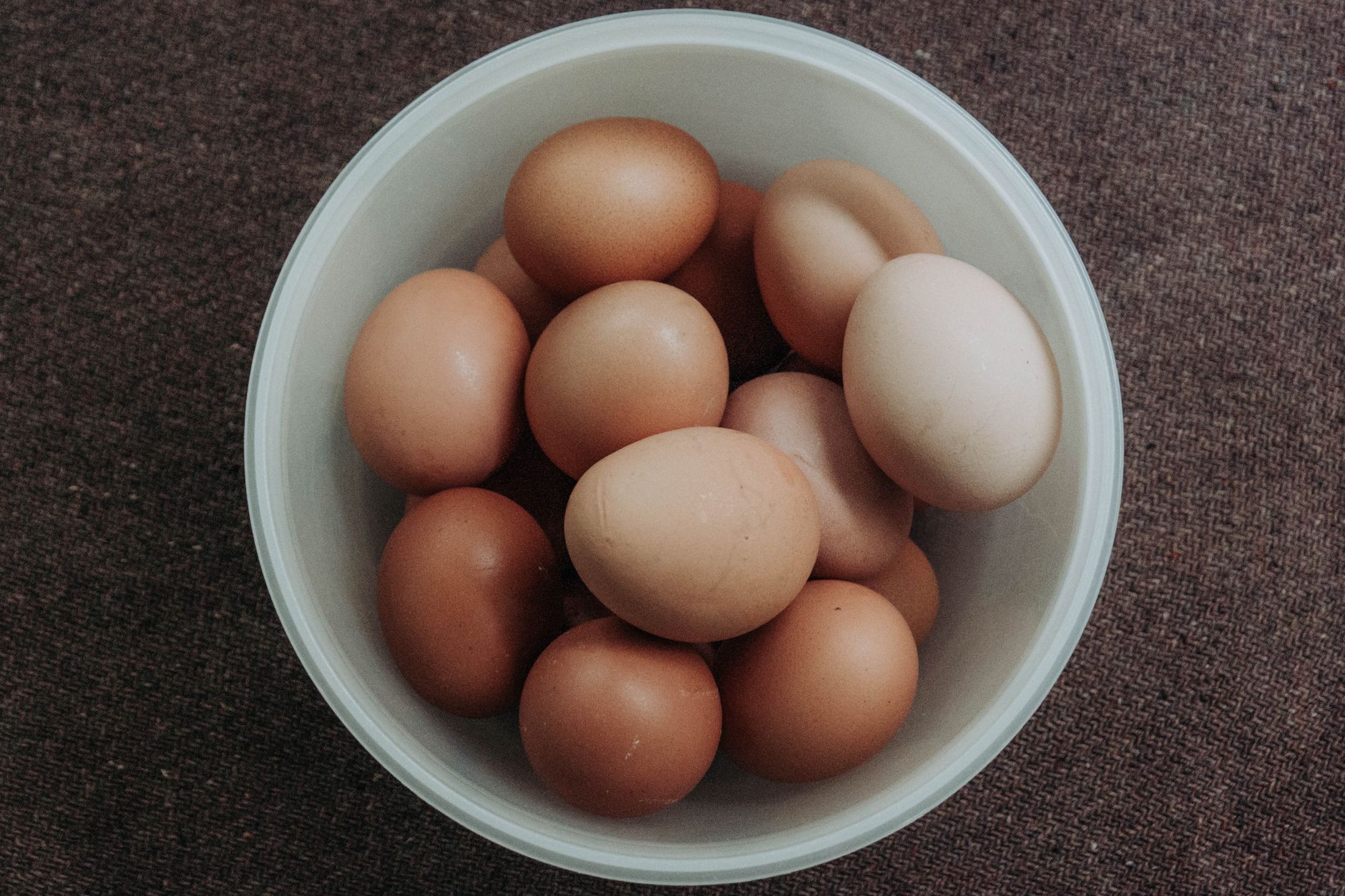
Choline is an essential nutrient that plays a vital role in various bodily functions, including brain health and liver function. Eggs are often highlighted as one of the best sources of choline in the diet. Understanding how much choline is in eggs can help you make informed choices about your nutritional intake.
This article delves into the choline content in eggs, alongside their other nutritional benefits and serving sizes. Whether you prefer them scrambled, boiled, or poached, you will learn why eggs are a powerhouse of nutrients, with a strong focus on their choline content.
How Much Choline in Eggs?
One large egg contains approximately 147 milligrams of choline. This amount can vary slightly depending on the size of the egg and the hen’s diet, but generally, eggs are a fantastic source of this essential nutrient.
Nutritional Profile of Eggs
In addition to being rich in choline, eggs boast an impressive nutritional profile. Here’s an overview of the essential nutrients found in one large egg (approximately 50 grams):
- Calories: 70
- Protein: 6 grams
- Fat: 5 grams
- Carbohydrates: 1 gram
- Vitamin D: 1 mcg (6% of the Daily Value)
- Vitamin B12: 0.6 mcg (25% of the Daily Value)
- Selenium: 15.4 mcg (22% of the Daily Value)
Notably, eggs are a source of high-quality protein, containing all nine essential amino acids, making them an excellent choice for those looking to boost their protein intake.
The Importance of Choline
Choline is crucial for a variety of functions in the body:
- Brain Development: Vital for memory, mood, and cognitive function.
- Liver Function: Helps in the metabolism of fats and prevents fatty liver disease.
- DNA Synthesis: Plays a role in the body’s ability to create DNA and RNA.
- Cell Membrane Structure: Essential for the development of cell membranes.
Due to its importance, the recommended daily intake of choline is 425 mg for women and 550 mg for men. Given that one egg provides a significant portion of this daily requirement, incorporating eggs into your diet is an excellent way to meet your choline needs.
How to Prepare Eggs to Maximize Choline Retention
The method of cooking can influence the nutritional content of eggs, though choline tends to remain stable under varying cooking conditions. Here are some ideal cooking methods:
Boiling
Boiling eggs is an excellent way to prepare them without adding extra fat. Simply place the eggs in a pot of boiling water, cover, and let them cook for 9-12 minutes depending on desired firmness. This method preserves choline effectively.
Scrambling
Scrambled eggs can be made using a small amount of butter or oil. To scramble, beat 2-3 eggs in a bowl, pour into a greased pan over medium heat, and stir continuously until cooked. While using butter or oil adds extra calories, it also can enhance flavor.
Poaching
Poached eggs are a healthy alternative that doesn’t require any fat. To poach, crack an egg into gently simmering water and let it cook until the white is firm, about 3-4 minutes. This method retains high amounts of choline without any additional calories.
Baking
Baked egg dishes, like frittatas and quiches, can incorporate various vegetables and proteins. When baking, consider using whole eggs and minimizing added fats to keep the dish healthy while ensuring choline content remains high.
Serving Sizes and Recommendations
Understanding proper serving sizes can help you get the most benefits from eggs. Here are some guidelines:
- For Choline Intake: Aim for 2-3 eggs per week to meet your choline needs efficiently.
- For Protein: Including eggs in your breakfast can help you feel full longer, making them a strategic addition. Pair with whole-grain toast or vegetables for a balanced meal.
- For Variety: For optimal nutrition, diversify your meals. Combine eggs with different vegetables, whole grains, and legumes.
Common Misconceptions About Eggs
Despite their nutritional benefits, eggs have been the subject of nutritional myths. Here are a few common misconceptions:
Cholesterol Concerns
Many people worry about cholesterol levels when consuming eggs. However, recent studies suggest that for most people, dietary cholesterol from eggs does not significantly impact blood cholesterol levels.
Allergy Issues
Egg allergies are relatively common, particularly in children. If you have a known allergy to eggs, alternative sources of choline should be sought, such as fish, dairy products, or legumes.
Practical Substitutions for Eggs
For those who cannot consume eggs, several alternatives can help meet choline needs:
- Soy Lecithin: This food ingredient derived from soybeans is rich in choline and can be used in sauces and dressings.
- Brussels Sprouts: A good vegetable source of choline, they can be roasted or sautéed as a side dish.
- Cauliflower: This versatile vegetable can be used in a variety of dishes and is another decent source of choline.
- Legumes: Beans and lentils can enhance your meals and provide additional protein along with choline.
Storage and Freshness of Eggs
Storing eggs correctly can help maintain their freshness and nutritional value. Here are some tips:
- Keep eggs in their original carton to prevent them from absorbing strong odors.
- Store eggs in the coldest part of the fridge rather than the door, which can be subject to temperature fluctuations.
- Check the expiration date or best-by date; fresh eggs can typically last 3-5 weeks in the refrigerator.
Frequently Asked Questions
To further assist you with your inquiries about eggs and choline, here are some frequently asked questions:
Can I boost my choline intake without eating eggs?
Yes, you can boost your choline intake by including other foods like chicken, fish, beans, nuts, and certain vegetables in your diet.
How should I incorporate more choline into my diet?
Add eggs to your meals in various forms, including breakfast scrambles, salads, or as toppings on whole-grain toast. Additionally, consider choline-rich snacks like nut butter or smoothies that incorporate legume-based protein.
Conclusion
Eggs are a rich source of choline, providing nearly half of the recommended daily intake in just one large egg. Incorporating them into your diet can greatly aid your overall nutrition and contribute to health benefits. Whether you enjoy them boiled, scrambled, poached, or baked, eggs are versatile staples in any kitchen.
To learn more about the calorie content of eggs, check out our guide on how many calories in 2 scrambled eggs. Additionally, if you’re concerned about egg freshness, read our tips on how long you can keep eggs in the refrigerator. These resources can help you make the most of this nutrient-rich food.