
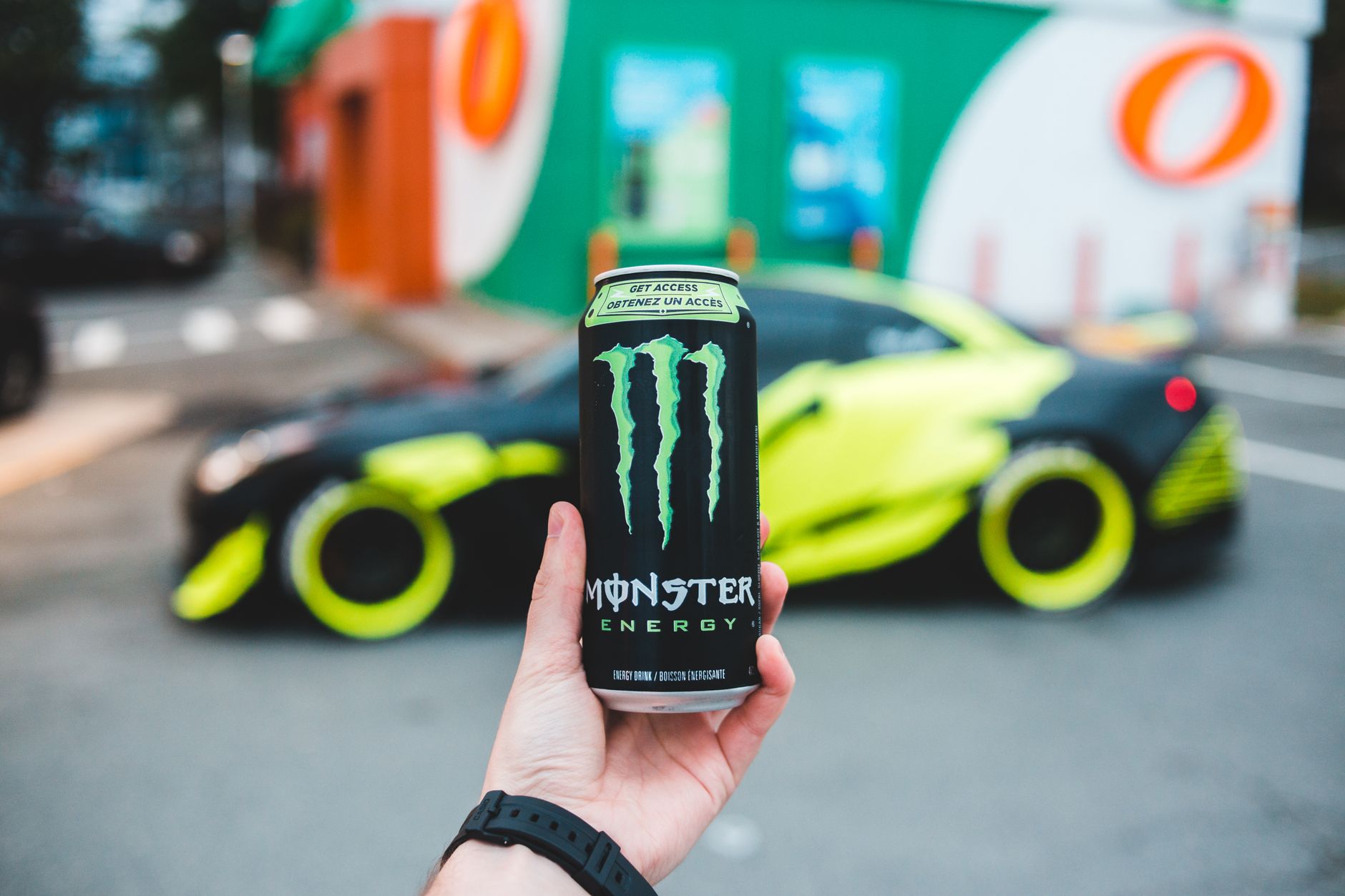
Energy drinks like Monster are popular for providing a quick boost of energy, especially among those with busy lifestyles or seeking to enhance their athletic performance. Understanding the caffeine content in Monster is essential for making informed choices about your consumption and its effects on your body.
This article explores the caffeine levels in different varieties of Monster beverages, looks at serving sizes and portions, and provides guidance on safe consumption to maximize the benefits while minimizing the risks associated with excessive caffeine intake.
How Much Caffeine Is In Monster?
The caffeine content in Monster energy drinks varies by flavor and type, but generally, a standard 16-ounce (473 ml) can typically contains around 160 mg of caffeine. This amount can differ in the various product lines, so it’s important to check the labels for specific details.
Understanding Caffeine Content
Caffeine is a natural stimulant that affects the central nervous system, enhancing alertness and reducing fatigue. Different beverages and food items have varying caffeine levels, which can influence how much of a particular drink might be appropriate for individual consumption.
To better comprehend caffeine levels, here’s a comparison of how much caffeine is in Monster compared to other common beverages:
| Drink | Serving Size | Caffeine Content |
|---|---|---|
| Monster Energy Original | 16 oz (473 ml) | 160 mg |
| Starbucks Brewed Coffee | 16 oz (473 ml) | 320 mg |
| Coca-Cola | 12 oz (355 ml) | 34 mg |
| Red Bull | 8.4 oz (250 ml) | 80 mg |
Serving Sizes and Variants of Monster Energy
Monster offers several different varieties, each with unique flavor profiles and caffeine levels. Here are some common varieties along with their caffeine content:
- Monster Energy Original (16 oz): 160 mg of caffeine
- Monster Zero Ultra (16 oz): 140 mg of caffeine
- Monster Ultra Red (16 oz): 140 mg of caffeine
- Monster Java (16 oz): 200 mg of caffeine
- Monster Rehab Tea + Lemonade (16 oz): 100 mg of caffeine
- Monster Energy Assault (16 oz): 160 mg of caffeine
- Monster Energy Mean Green (16 oz): 160 mg of caffeine
Understanding these variations is crucial for consumers, especially if you are trying to moderate your caffeine intake. The Java line, for instance, usually contains more caffeine due to the addition of coffee, while the zero-calorie options have slightly less.
Daily Caffeine Guidelines
According to health experts, moderate caffeine consumption is generally considered safe for most adults. The U.S. Food and Drug Administration (FDA) considers 400 mg of caffeine—approximately four 8-ounce cups of coffee—safe for healthy adults. However, sensitivity to caffeine can vary significantly from person to person.
When consuming energy drinks, it’s advisable to keep the following points in mind:
- Avoid combining energy drinks with alcohol, as it can mask the effects of intoxication and lead to overconsumption.
- Monitor your overall daily caffeine intake from all sources, including coffee, tea, soda, and medications.
- Be cautious if you have specific health conditions, such as heart problems or anxiety disorders, as caffeine can exacerbate these issues.
Common Questions About Monster and Caffeine
Can I Drink Multiple Cans of Monster in One Day?
While you technically can drink multiple cans of Monster within a day, it’s essential to be aware of the cumulative caffeine you’re consuming. For instance, consuming two standard 16-ounce cans would result in 320 mg of caffeine, which is still within the FDA’s safety limits for healthy adults but leaves little room for other sources of caffeine.
What Are the Effects of High Caffeine Intake?
Excessive caffeine consumption can lead to unpleasant side effects including:
- Insomnia
- Increased heart rate
- Jitters or restlessness
- Anxiety
- Headaches
- Gastrointestinal disturbances
If you experience any of these symptoms, it may be a sign to reduce your caffeine intake.
Practical Tips for Responsible Caffeine Consumption
Here are some actionable tips for consuming Monster and other caffeinated beverages responsibly:
- Read the labels to be aware of the exact caffeine content in the version you choose, as different flavors and formulations can vary.
- Space out your consumption, allowing several hours between cans if you choose to drink more than one.
- If you’re particularly sensitive to caffeine, consider opting for the lower-caffeine varieties or consuming half-cans.
- Stay hydrated with water, especially if consuming caffeinated beverages during physical activities.
Popular Alternatives to Monster
If you’re looking for an energy boost but want to explore alternatives to Monster, consider the following options:
- Homemade Energy Drinks: By mixing fruit juices with coconut water and a bit of green tea, you can achieve a refreshing energy boost without the high caffeine levels of energy drinks.
- Herbal Teas: Many herbal teas have natural invigorating properties without caffeine, such as peppermint or ginger teas.
- Natural Energy Supplements: Supplements containing B vitamins, ginseng, or other natural adaptogens can help improve energy levels without excessive caffeine.
Conclusion
Understanding the caffeine content of Monster energy drinks and the various options available is crucial for making informed decisions about your beverage choices. While Monster can provide a quick energy boost, being mindful of your intake and understanding your body’s response to caffeine is equally important. Always listen to your body and adjust consumption accordingly.
Feel free to explore our related articles for more insights on caffeine: how much caffeine in chai tea or does diet Dr. Pepper have caffeine? These topics can provide additional context and help you navigate your caffeine consumption effectively.