
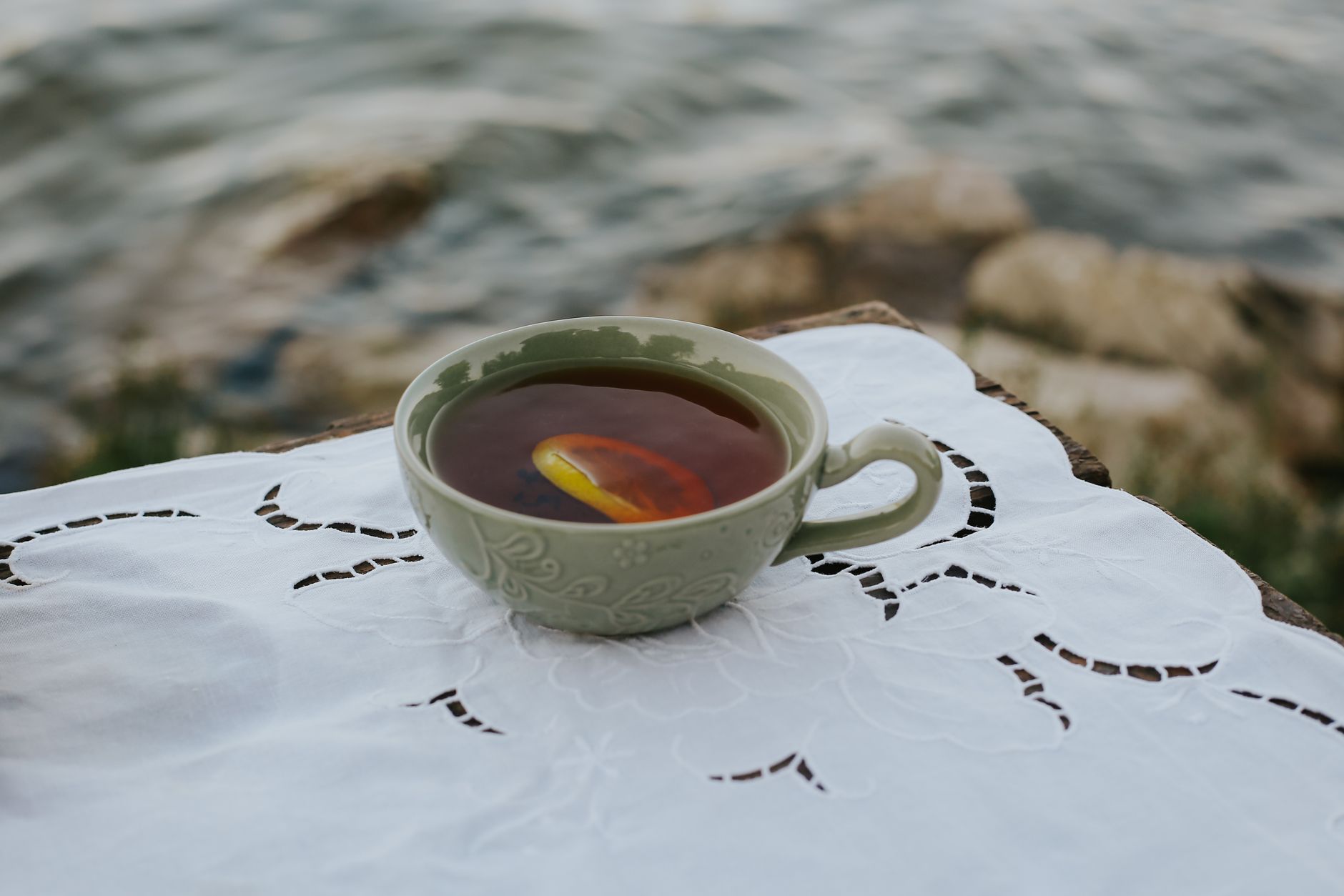
Understanding how much caffeine is in a cup of tea can help you make informed choices about your daily consumption. While tea is often regarded as a gentler alternative to coffee, it does contain caffeine, which can affect energy levels and alertness. This article will explore the caffeine content in various types of tea, factors that influence these levels, and practical tips for enjoying tea while managing caffeine intake.
Caffeine content can vary significantly depending on several factors, including the type of tea, brewing time, and temperature. We’ll take a closer look at these aspects and provide guidelines to help you navigate your tea choices effectively.
How Much Caffeine Is In A Cup Of Tea?
The caffeine content in a standard cup (240 ml or about 8 ounces) of tea generally ranges from 20 to 60 milligrams. However, this amount can vary significantly based on the tea variety and preparation method.
Types of Tea and Their Caffeine Content
Here’s a breakdown of various types of tea and their average caffeine content per 8-ounce serving:
- White Tea: 15-30 mg
- Green Tea: 20-45 mg
- Oolong Tea: 30-50 mg
- Black Tea: 40-70 mg
- Pu-erh Tea: 30-70 mg
While herbal teas are often caffeine-free or contain very low levels of caffeine, they can sometimes include other ingredients that might have a stimulant effect.
What Affects Caffeine Levels in Tea?
Several factors influence the caffeine content in tea:
- Type of Tea Leaf: Different teas are made from different types of leaves, affecting their natural caffeine levels. For instance, black tea comes from fully oxidized leaves, while white tea comes from young buds, generally yielding lower caffeine.
- Brewing Time: The longer tea is steeped, the more caffeine is extracted. A typical brewing time ranges from 2-5 minutes, with longer steeping times resulting in higher caffeine levels.
- Water Temperature: Hotter water can extract caffeine more efficiently. Black tea often requires boiling water, while green tea is best brewed at lower temperatures to avoid bitterness.
- Amount of Tea Used: The more tea leaves or tea bags used in brewing, the higher the caffeine content. Measuring your tea can help manage this.
How Caffeine Affects the Body
Caffeine is a known stimulant that can increase alertness and energy levels. However, the response to caffeine varies among individuals. Here are some common effects:
- Increased Alertness: Caffeine blocks adenosine receptors in the brain, helping to mitigate drowsiness and enhance focus.
- Improved Physical Performance: Caffeine may enhance physical endurance by mobilizing fatty acids from fat tissues.
- Anxiety and Insomnia: Excessive caffeine intake can lead to increased anxiety levels and sleep disturbances.
- Increased Heart Rate: Some individuals may experience a quicker heartbeat or palpitations with high caffeine intake.
How to Choose the Right Tea for Caffeine Levels
To select tea based on its caffeine content, consider the following:
- If You Want to Limit Caffeine: Choose white or green teas, which generally have lower levels of caffeine. Herbal teas can also be a great option.
- If You Need an Energy Boost: Black tea or pu-erh tea can provide a stronger caffeine lift.
- Pay Attention to Blends: Some tea blends might include ingredients like yerba mate or guayusa, which can increase the overall caffeine content.
Decaf and Low-Caffeine Options
If you enjoy drinking tea but want to cut back on caffeine, consider the following options:
- Decaffeinated Tea: Decaf versions of various teas are available, though they may still contain trace amounts of caffeine, approximately 2-5 mg per cup.
- Caffeine-Free Herbal Teas: Look for naturally caffeine-free herbal teas, such as chamomile or rooibos.
Caffeine Management Tips
Here are some practical tips for managing your caffeine intake while enjoying tea:
- Monitor Brewing Times: Keep an eye on how long you steep your tea to avoid excessive caffeine extraction.
- Know Your Limits: Recognize how much caffeine you can tolerate without adverse effects. For most adults, 400 mg per day is considered safe.
- Mix It Up: Try combining lower-caffeine teas with herbal infusions to create blended flavors without overwhelming caffeine levels.
Brewing Techniques That Affect Caffeine Content
The way tea is brewed can significantly impact its caffeine content. Here are some common techniques and their effects:
Steeping Times and Temperatures
- White Tea: Steep for 2-5 minutes at 160-185°F (70-85°C).
- Green Tea: Steep for 2-3 minutes at 175-185°F (80-85°C).
- Oolong Tea: Steep for 3-5 minutes at 190-200°F (90-93°C).
- Black Tea: Steep for 3-5 minutes at 200-212°F (93-100°C).
- Pu-erh Tea: Steep for 4-5 minutes at 200-212°F (93-100°C).
Adjusting steeping time and temperature not only influences caffeine extraction but also impacts flavor and aroma. Shorter steeping times typically yield milder flavors, while longer steeping captures more intense notes.
Cold Brew Tea
Cold brewing tea is another method to consider. This technique generally extracts less caffeine than hot brewing, making it a favorable option if you’re seeking a refreshing beverage with lower caffeine levels.
- Method: Use a 1:8 ratio of tea leaves to cold water. Let it steep in the refrigerator for 6-12 hours, then strain.
- Caffeine Content: Cold brew tea typically contains around 30% less caffeine than its hot-brewed counterpart.
Identifying Tea Quality and Selecting the Best Types
The quality of tea leaves can also affect caffeine levels. Here are some tips on how to choose the best quality for your brews:
- Look for Whole Leaves: Whole tea leaves produce better flavor and caffeine extraction compared to broken leaves or dust found in some tea bags.
- Check Freshness: Look for a harvest date or a “best by” date on packages. Fresh tea usually has better flavor and aroma.
- Consider Organic Options: Organic or sustainably sourced teas are often of higher quality and free from synthetic pesticides.
Caffeine Sensitivity and its Effects
Caffeine sensitivity varies from person to person, which can significantly impact individual experiences with tea. Keep in mind the following:
- Genetics: Genetic variations can affect how quickly caffeine is metabolized in your body, leading to different experiences.
- Daily Intake: Regular consumption can lead to tolerance, requiring higher amounts to achieve the same effects.
- Pregnancy and Health Conditions: Certain health conditions or pregnancy may necessitate lower caffeine intake. Always consult a healthcare provider for personalized advice.
Conclusion
Understanding how much caffeine is in your cup of tea can help you choose the types that align with your lifestyle and preferences. Whether you’re seeking a gentle lift or trying to reduce your caffeine intake, being informed about the nuances of tea can enhance your enjoyment. Remember to keep factors like brewing time, water temperature, and tea type in mind when preparing your beverage.
Ready to explore more about tea? Check out our guides on chai tea caffeine levels and the teas with the highest caffeine content for further insights.
Explore related recipes and cooking tips, and discover how to make the most of your tea experience. Consider reading more about how much caffeine is in chai tea and which teas have the most caffeine for a deeper dive into the world of tea.