
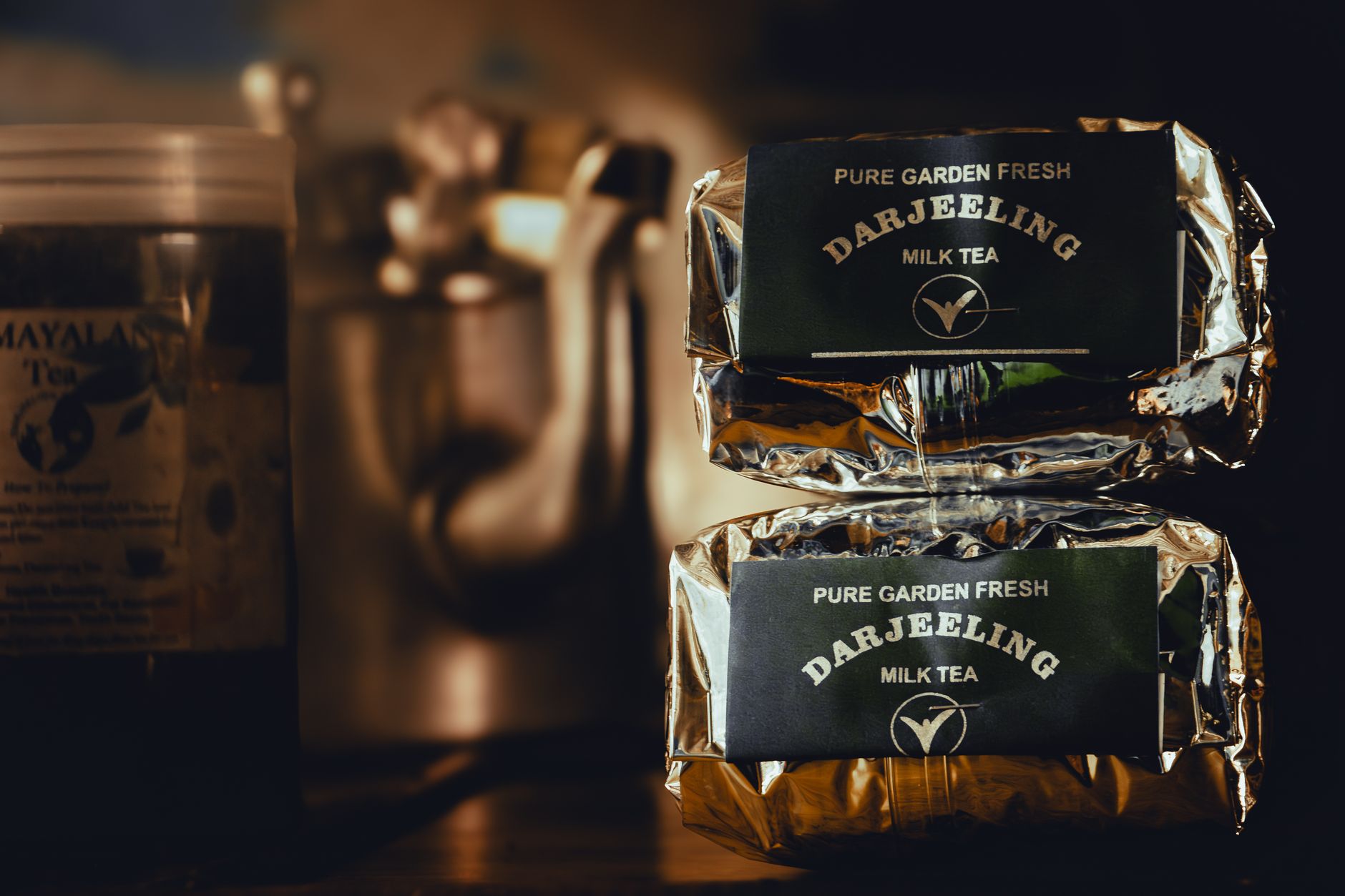
Understanding the caffeine content in beverages like tea is essential for many, particularly for those managing their caffeine intake. Pure Leaf Tea is a popular choice for tea lovers, but how much caffeine does it actually contain? This article will provide a detailed overview of the caffeine levels in Pure Leaf Tea and compare it with other common beverages.
As tea drinkers, we often seek a delightful balance between flavor, aroma, and the stimulating effects of caffeine. Pure Leaf Tea, known for its quality and taste, can cater to both needs; let’s delve into the specifics to understand its caffeine content better.
How Much Caffeine in Pure Leaf Tea?
Pure Leaf Tea contains varying caffeine levels depending on the specific flavor and type of tea. On average, you can expect around 30 to 70 milligrams of caffeine per 8-ounce serving. However, it’s essential to look at the individual variants to gauge their exact caffeine content.
Understanding Caffeine in Tea
Caffeine in tea doesn’t solely come from the tea leaves but also from brewing time and temperature. Tea leaves naturally contain caffeine, and the exposure to hot water during brewing extracts caffeine into your cup. Generally, the following factors influence the caffeine content in your tea:
- Type of Leaves: Different types of tea leaves, such as green, black, or herbal, have unique caffeine contents.
- Brewing Time: Longer brewing times yield more caffeine, as does higher water temperatures.
- Tea Form: Loose leaf tea typically contains more caffeine than tea bags because of the greater surface area of the leaves.
Caffeine Content by Type of Pure Leaf Tea
Below is a breakdown of various Pure Leaf Tea types and their average caffeine content per 8-ounce serving:
| Type of Tea | Caffeine (mg) |
|---|---|
| Pure Leaf Black Tea | 60-70 mg |
| Pure Leaf Green Tea | 30-50 mg |
| Pure Leaf Herbal Tea | 0-5 mg |
| Pure Leaf Iced Tea | 25-50 mg |
Comparing Pure Leaf Tea with Other Beverages
To give a clearer picture of how Pure Leaf Tea stacks up against other common beverages, let’s compare its caffeine content against popular drinks:
| Beverage | Caffeine (mg per 8oz) |
|---|---|
| Coffee | 95-200 mg |
| Energy Drinks | 80-200 mg |
| Soda (Cola) | 30-50 mg |
| Pure Leaf Tea (Black) | 60-70 mg |
| Pure Leaf Tea (Green) | 30-50 mg |
Why is Caffeine Important?
Caffeine plays a vital role in many people’s daily routines. Here are a few reasons why understanding caffeine consumption is essential:
- Energy Boost: Caffeine is a natural stimulant that can enhance alertness and reduce fatigue.
- Physical Performance: Moderate caffeine intake may improve athletic performance.
- Focus and Concentration: Caffeine can enhance cognitive function, leading to improved focus and concentration.
Managing Caffeine Intake
For those monitoring their caffeine consumption, tracking your intake is crucial. Here are some practical tips to help manage your daily caffeine levels:
- Consult Caffeine Guidelines: Many health experts suggest limiting caffeine to 400 mg per day for most adults.
- Mix It Up: If you enjoy various teas, mix herbal teas with caffeinated ones to lower overall caffeine intake.
- Hydrate: Stay hydrated by alternating caffeinated beverages with water.
Pure Leaf Tea Variants and Their Benefits
Each type of Pure Leaf Tea offers unique flavors and potential health benefits beyond just caffeine. Here’s a closer look:
Black Tea
With a robust flavor, Pure Leaf Black Tea is the go-to choice for breakfast blends. Besides its caffeine content, it is high in antioxidants, which can contribute to improved heart health and digestive function.
Green Tea
Pure Leaf Green Tea delivers a refreshing taste and is renowned for its high antioxidant levels, particularly catechins. It provides hydration and may boost metabolic rate.
Herbal Tea
Pure Leaf Herbal Tea is caffeine-free, making it an excellent choice for those avoiding stimulation. These blends, including chamomile and mint, can aid digestion and relaxation.
Iced Tea
Pure Leaf Iced Tea combines classic flavors with a refreshing sip. Its caffeine content varies but is generally lower than black tea, making it a perfect afternoon pick-me-up.
Preparing Pure Leaf Tea
Preparing the perfect cup of Pure Leaf Tea is straightforward. Here’s a basic guide to brewing your tea:
- Bring water to a boil or the desired temperature (appropriate per tea type).
- Measure tea leaves or use tea bags (typically one tea bag per 8 ounces).
- Pour the hot water over the tea and cover it.
- Steep for the recommended time (for example, 3-5 minutes for black tea, 2-3 minutes for green tea).
- Remove leaves or tea bag. Enjoy your tea hot, or let it cool for iced tea.
Common Mistakes When Brewing Tea
Brewing tea seems simple, yet several common mistakes can lead to disappointing results:
- Using Water That’s Too Hot: Different teas require different water temperatures, so be mindful of your brew.
- Oversteeping: Allowing tea to steep for too long can lead to bitterness.
- Poor Water Quality: If the water quality is low, it will affect the tea’s flavor and overall experience.
Storage and Shelf Life of Pure Leaf Tea
The storage of your tea can significantly affect its quality and flavor. Here’s how to best store Pure Leaf Tea:
- Keep it Cool: Store tea in a cool, dark location away from heat sources.
- Airtight Containers: Use airtight containers to keep moisture and air out.
- Check Expiration Dates: Although tea doesn’t spoil, it does lose flavor potency over time.
Reheating Tea
If you have leftover tea, it’s best to reheat it on the stove rather than using a microwave for more even heating. Alternatively, consider using it in recipes such as tea-infused desserts or marinades!
Conclusion
Pure Leaf Tea offers a fantastic range of options for tea enthusiasts wanting to monitor their caffeine intake. The caffeine levels vary based on the specific type, yet the enjoyment and quality of the tea remain unwavering across the board. Understanding how to brew, store, and enjoy your tea can enrich your daily routine and enhance your appreciation for this delightful beverage.
If you’re looking to explore different ways to enjoy tea, consider checking out the caffeine in chai tea or our guide on which tea has the most caffeine for greater insight into your favorite brews!