
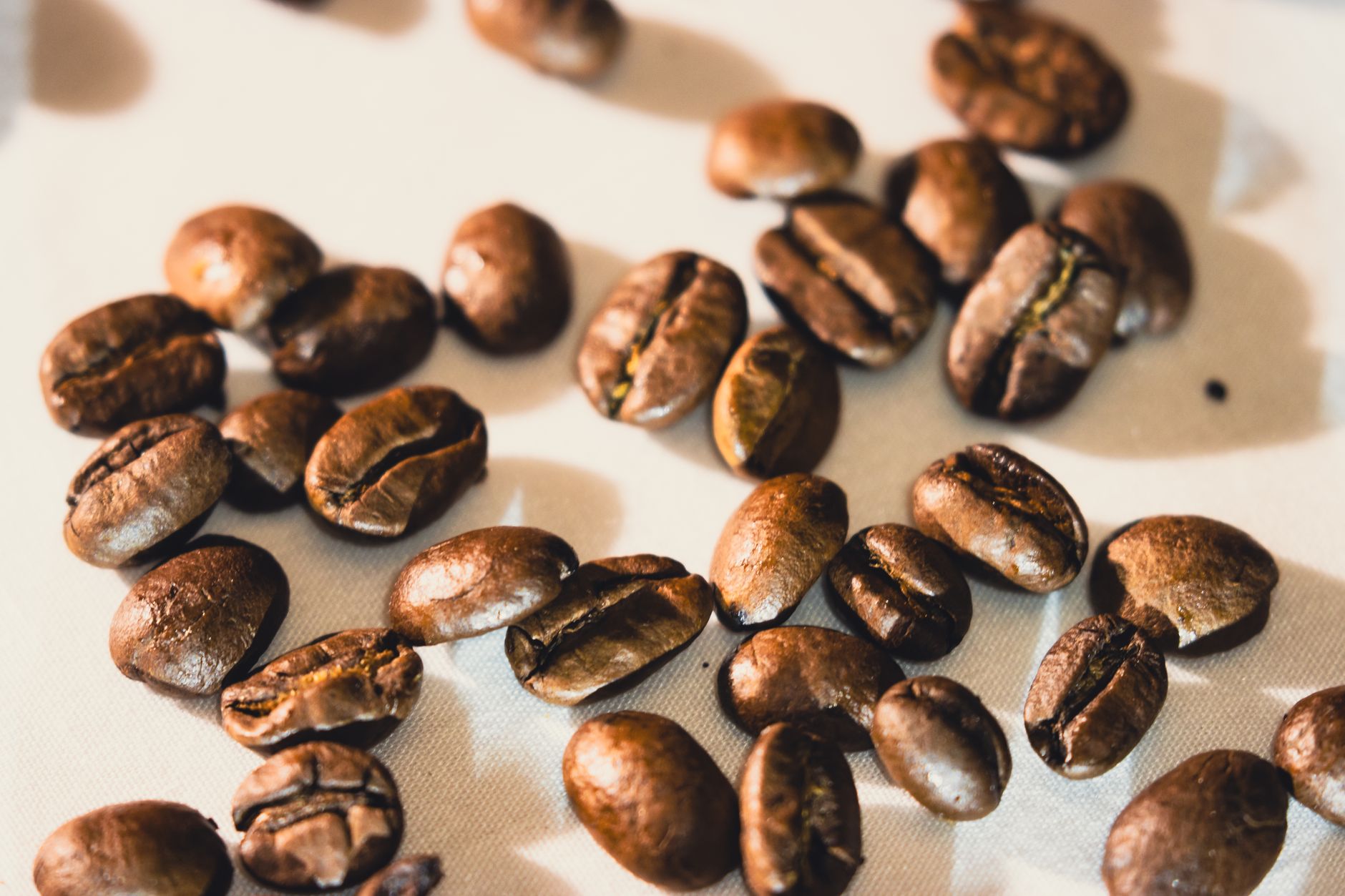
Espresso beans are a popular choice for coffee lovers, known for their rich flavor and concentrated caffeine content. One common question that arises is how much caffeine can be found in a single espresso bean? Understanding the caffeine content in espresso beans not only helps gauge your caffeine intake but also enhances your appreciation of this beloved beverage.
In this article, we will explore the caffeine concentration in espresso beans, factors affecting it, and how to measure your caffeine consumption through various brewing methods. Whether you’re a casual coffee drinker or a dedicated enthusiast, this comprehensive guide will provide you with valuable insights.
How Much Caffeine in One Espresso Bean?
On average, a single espresso bean contains about 6 to 7 milligrams of caffeine. However, this can vary based on factors such as the type of bean, roasting process, and preparation method. Knowing this can help you enjoy your espresso responsibly.
Understanding Espresso Beans
Espresso beans refer to coffee beans that are specifically roasted and ground for making espresso. While any coffee bean can be used to make espresso, beans labeled as espresso typically undergo specific roasting techniques that enhance their flavor profile. Here are some essential aspects to consider:
- Types of Beans: Espresso is usually made from Arabica and Robusta beans, which have different caffeine levels. Robusta beans contain more caffeine than Arabica, contributing to a bolder flavor.
- Roasting Levels: The roasting process affects the beans’ caffeine content. Darker roasts might taste stronger but usually have slightly less caffeine than lighter roasts due to the breakdown of caffeine during roasting.
- Grind Size: The fineness of the grind can also affect how much caffeine is extracted during brewing. A finer grind allows for better extraction, leading to a stronger espresso.
Factors Influencing Caffeine Content
1. Bean Variety
As mentioned, Arabica beans typically have less caffeine, averaging around 1.2% to 1.5%, while Robusta can contain 2.2% to 2.7%. Depending on which variety you’re using, the caffeine content can differ significantly.
2. Roast Level
Dark-roasted beans, such as those used in espresso, generally have a lower caffeine concentration than lighter roasts, despite a more intense flavor. This is due to the roasting process, which breaks down some of the caffeine content.
3. Brew Method
The method of brewing also impacts how much caffeine you get from your espresso. Traditional espresso machines apply high pressure to extract coffee, leading to higher caffeine levels compared to drip methods.
Caffeine Content in Different Espresso Preparations
Here’s a deeper look at how different espresso-based drinks compare in terms of caffeine content, calculated based on a standard serving size:
| Drink | Caffeine Content |
|---|---|
| Single Espresso Shot (30 ml) | 63 mg |
| Doppio (Double Shot) | 126 mg |
| Americano | 63-126 mg |
| Latte (1 shot) | 63 mg |
| Cappuccino (1 shot) | 63 mg |
Calculating Your Caffeine Intake
Understanding how much caffeine you consume can help you manage your intake and diagnose tolerance levels. The recommended limit for most adults is around 400 mg of caffeine daily, equivalent to about four 8-ounce cups of brewed coffee. To keep track of your caffeine consumption, consider the following:
- Keep a Log: Document your coffee consumption each day, including the type of drink and its caffeine content.
- Use Caffeine Trackers: There are various apps available that can help monitor your daily caffeine intake.
- Be Mindful: Pay attention to how caffeine affects your body, especially if you’re sensitive to it.
Tips for Enjoying Espresso Responsibly
Espresso adds depth to coffee drinks and provides a caffeine boost that many enjoy. However, it’s essential to consume it mindfully. Here are some practical tips:
- Limit Intake: Understand your tolerance levels and limit consumption if you experience jitteriness or sleeplessness.
- Stay Hydrated: Drink water alongside your coffee to curb dehydration, as caffeine can be a diuretic.
- Monitor Timing: Avoid consuming caffeine late in the day to ensure it doesn’t impact your sleep.
Common Mistakes When Brewing Espresso
Brewing the perfect espresso takes practice, and even slight mistakes can dramatically affect the final product. Here are some common issues to watch for:
Poor Grinding
Grind size is crucial for extracting flavor and caffeine from the coffee. An incorrect grind can lead to under-extraction (sour taste) or over-extraction (bitter taste). Aim for a fine grind, similar to table salt.
Incorrect Coffee-to-Water Ratio
The balance of coffee to water is essential. A general guideline for espresso is to use about 18-20 grams of coffee for a double shot. Adjust based on your taste preference.
Improper Temperature and Pressure
Espresso requires brewing at about 190°F to 205°F and with an extraction pressure of 9 bars. Avoid brewing with too much pressure or at too high a temperature, as this can scorch the beans.
Inadequate Tamping
Tamping the coffee grounds evenly and firmly is crucial to ensure uniform extraction. An uneven tamp can lead to channeling, where water bypasses parts of the coffee, leading to inconsistencies.
Exploring Espresso Variations
There are several ways to enjoy espresso aside from the standard shot. Each variation offers a different flavor profile and caffeine experience.
- Espresso Macchiato: A shot of espresso topped with a small amount of steamed milk or foam. Less caffeine than a milky beverage.
- Flat White: Combines double shots of espresso with microfoam milk. Contains slightly higher caffeine due to the double shot.
- Ristretto: A “short” shot of espresso that uses less water, leading to a sweeter, more concentrated flavor.
- Affogato: A dessert featuring a scoop of ice cream topped with a shot of hot espresso. Combines sweetness with caffeine.
How to Prepare Espresso at Home
If you’re looking to prepare espresso at home, it’s essential to have the right equipment and know the techniques. Here’s a step-by-step guide on how to make a traditional espresso shot:
Essential Equipment
- Espresso machine
- Coffee grinder (burr grinder recommended)
- Scale for measuring coffee
- Tamping tool
- Shot glass or small cup
Ingredients
- 18-20 grams of freshly roasted espresso beans
- Filtered water
Method
- Measure 18-20 grams of coffee beans using a scale. This ensures consistency.
- Grind the coffee beans to a fine consistency, akin to table salt.
- Preheat your espresso machine and portafilter by running a blank shot of water through it.
- Add the ground coffee to the portafilter and tamp it down evenly, applying firm pressure.
- Lock the portafilter into the espresso machine and start the extraction. Aim for about 25-30 seconds for a proper shot.
- Once brewed, serve immediately in a pre-warmed cup for the best flavor.
Storing Espresso Beans
Proper storage is critical to maintaining the freshness and flavor of your espresso beans. Follow these tips for optimal storage:
- Keep in an Airtight Container: Use an airtight container to prevent exposure to air and moisture.
- Store in a Cool, Dark Place: Avoid light and heat, which can degrade the beans’ quality. A cool cupboard or pantry works well.
- Buy in Small Batches: Purchase fresh beans frequently rather than large quantities to ensure you consume them before they degrade.
Adapting Your Caffeine Intake Based on Lifestyle
How you manage your caffeine consumption can deeply influence your energy levels and overall wellness. Here are some considerations:
- Active Lifestyle: If you’re highly active, caffeine can boost your performance. However, be aware of how it interacts with hydration levels.
- During Pregnancy: Pregnant mothers should limit caffeine intake, often to around 200 mg per day, which equates to about two cups of coffee.
- Considering Sleep Patterns: If you experience issues with sleep, it may be essential to monitor your caffeine schedule to avoid disrupting your rest.
Being informed about the amount of caffeine in one espresso bean and understanding how various factors influence its content can be beneficial for coffee enthusiasts. As you explore different varieties and preparations, you can optimize your coffee experience and enjoy the delightful energy boost that espresso offers.
For a refreshing way to enjoy espresso, consider trying out an espresso tonic, or perhaps energize your mornings with our protein coffee recipe for an extra kick!