
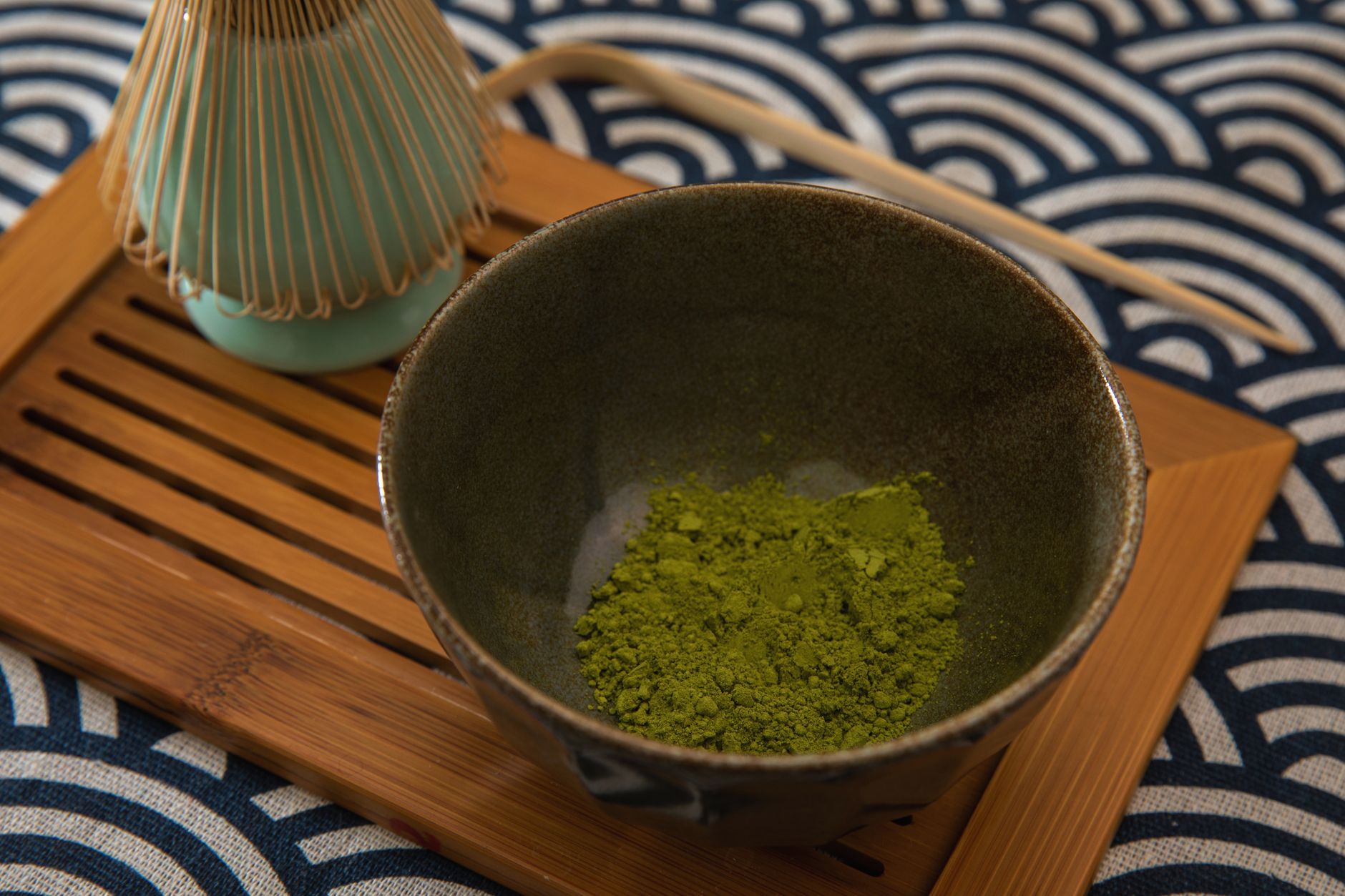
Matcha tea, a finely powdered green tea originating from Japan, has gained popularity worldwide for its unique flavor, vibrant color, and rich antioxidant properties. One key aspect that tea lovers and health enthusiasts often inquire about is the caffeine content in matcha tea. Understanding how much caffeine is in matcha can help you make informed decisions about your beverage choices.
In this article, we’ll dive deeply into the caffeine content of matcha tea, factors that affect its caffeine levels, serving sizes, and how it compares to other tea types and coffee. With this information, you’ll be equipped to enjoy matcha in moderation and understand its role within your daily caffeine intake.
How Much Caffeine in Matcha Tea?
Matcha tea typically contains between 30 to 70 mg of caffeine per 1 gram of matcha powder, depending on the brand and quality. Generally, a serving size of 2 grams of matcha powder yields about 60 to 140 mg of caffeine. This range can vary, though, and certain factors come into play when assessing the caffeine content of matcha.
Understanding Caffeine Content in Matcha
Don’t be fooled by matcha’s delicate appearance; it packs a substantial caffeine punch. Unlike brewed green tea, where the leaves are steeped and discarded, matcha incorporates the entire leaf, resulting in a more concentrated source of caffeine and nutrients.
Factors Influencing Caffeine Levels
Various factors can influence the caffeine content in matcha tea, such as the specific type of matcha, growing conditions, harvest time, and preparation method.
- Type of Matcha: There are different grades of matcha, including ceremonial, premium, and culinary. Ceremonial grade matcha, often used in traditional tea ceremonies, is typically rich in caffeine and flavor.
- Growing Conditions: Matcha plants grown in shaded areas just before harvest (a method called shading) lead to increased chlorophyll production and potentially higher caffeine content.
- Harvest Time: Younger leaves harvested in the spring season generally contain more caffeine compared to older leaves harvested later in the growing season.
- Preparation Method: The amount of matcha used in your drink directly impacts the caffeine concentration. A stronger matcha latte or thicker tea will naturally have more caffeine.
Serving Sizes of Matcha Tea
When preparing matcha tea, the typical serving size is 1 to 2 grams of matcha powder mixed with water or milk. Knowing how much matcha to use not only affects caffeine intake but also flavor and overall experience.
Standard Serving Sizes
The following details typical serving sizes of matcha:
- 1 gram of matcha: Approximately 30 to 70 mg of caffeine.
- 2 grams of matcha: Approximately 60 to 140 mg of caffeine.
- 3 grams of matcha: Approximately 90 to 210 mg of caffeine.
These numbers can fluctuate based on the factors mentioned previously, so keeping track of the amount of matcha used is essential for managing your caffeine consumption.
Comparing Caffeine Content: Matcha vs. Other Beverages
To understand matcha tea’s caffeine levels better, it helps to compare it with other common beverages like coffee and regular green tea.
| Beverage | Caffeine Content (per 8 oz) |
|---|---|
| Matcha Tea (2 grams) | 60 – 140 mg |
| Green Tea | 20 – 45 mg |
| Coffee | 95 – 200 mg |
As illustrated, matcha tea contains a comparable amount of caffeine to coffee, especially when consumed in larger quantities, making it a suitable alternative for those looking for a caffeine boost without the jitters often associated with coffee.
Benefits Beyond Caffeine
While caffeine is a well-known stimulant, enjoyment of matcha tea is not solely about its caffeine content. Matcha is also recognized for its numerous health benefits:
- Rich in Antioxidants: Matcha has high levels of antioxidants, particularly catechins, which help neutralize free radicals and reduce oxidative stress in the body.
- Enhances Focus and Calmness: The presence of L-theanine, an amino acid found in matcha, helps promote relaxation without drowsiness, providing a balanced state of alertness.
- Boosts Metabolism: Some studies suggest that matcha can help accelerate metabolism and increase fat burning.
- Supports Immune Function: With its high levels of vitamins and minerals, matcha may contribute to a stronger immune system.
How to Prepare Matcha Tea
Though brewing a cup of matcha tea might seem straightforward, there are techniques to achieve a smoother texture and richer flavor.
Essential Equipment
- Matcha bowl (Chawan)
- Matcha whisk (Chasen)
- Sifter or small sieve (optional)
- Measuring spoon or scale
- Hot water (not boiling, approximately 175°F or 80°C)
Preparation Method
- Measure 1 to 2 grams of matcha powder and sift it into the matcha bowl to break up any clumps.
- Heat water to about 175°F (80°C). Avoid boiling water, as it can make the matcha taste bitter.
- Pour about 2 to 3 ounces of hot water into the bowl with the matcha powder.
- Using the chasen, whisk the matcha and water in a zig-zag motion for about 30 seconds until frothy.
- Pour the matcha into a larger cup, adding more hot water or milk to adjust the strength and flavor if desired. Enjoy!
Common Mistakes and Troubleshooting
To ensure you get the most out of your matcha experience, consider these common mistakes and their fixes:
- Using Water That’s Too Hot: This can lead to a bitter taste. Allow the water to cool slightly after boiling before mixing.
- Not Whisking Enough: Inadequate whisking results in clumps and poor texture. Ensure you use a proper whisking technique to achieve froth.
- Overusing Matcha: Using too much powder can lead to a bitter or overwhelming flavor. Stick to recommended serving sizes.
Serving Suggestions for Matcha Tea
Matcha tea can be enjoyed in various forms beyond the traditional preparation. Here are some other ways to enjoy matcha:
- Matcha Latte: Combine steamed milk (or a non-dairy alternative) with matcha for a creamy delight.
- Matcha Smoothies: Blend matcha powder into smoothies for added energy and nutrition.
- Baked Goods: Incorporate matcha into cakes, cookies, or pancakes for a unique twist.
- Matcha Iced Drinks: Prepare iced matcha lattes or matcha-infused cocktails for a refreshing beverage.
Storage Tips for Matcha Powder
Storing matcha correctly is critical to preserve its freshness and flavor. Follow these advice to keep your matcha in top condition:
- Keep It Sealed: Always store matcha in an airtight container to prevent it from absorbing moisture and odors.
- Store in a Cool, Dark Place: Exposure to light and heat can degrade matcha quality over time, so choose a cool, dark cupboard.
- Avoid Long-Term Storage: It’s best to consume matcha within 3 to 6 months of opening for optimal flavor and freshness.
Final Thoughts on Matcha Tea
Now that you understand how much caffeine is in matcha tea and the factors influencing it, you’re better equipped to incorporate this vibrant drink into your routine. Whether you prefer a traditional cup or a modern latte, matcha brings a unique flavor and a boost of energy to everyday life.
If you’re eager to try expanding your matcha repertoire, consider exploring a strawberry matcha recipe or dive into how much caffeine is in chai tea with our detailed comparison. Enjoy the world of matcha and its many health benefits!