
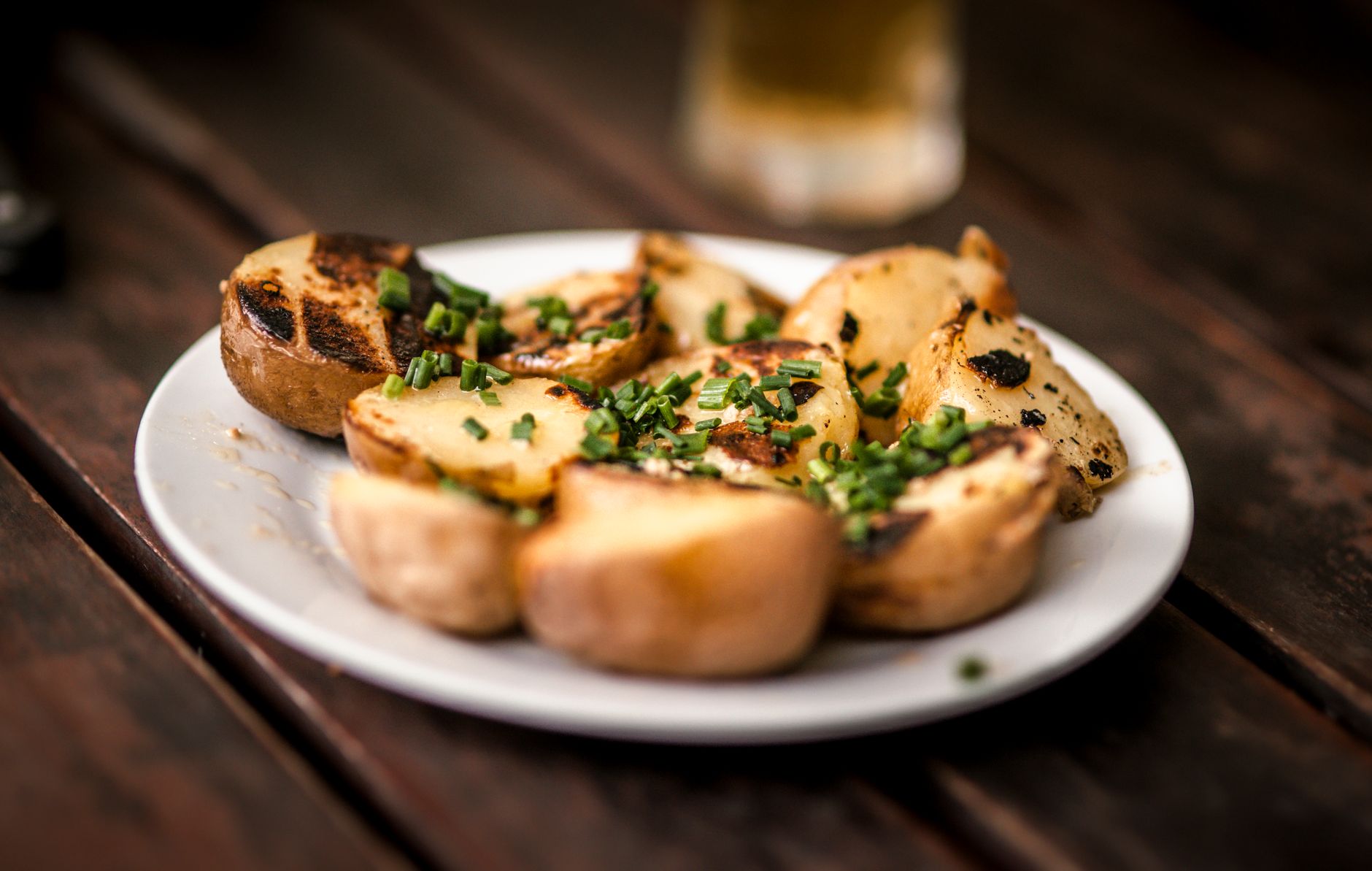
When considering protein sources in our diets, potatoes often don’t come to mind. However, they do contain some protein alongside their well-known carbohydrates and vitamins. Understanding the protein content in potatoes can guide you in meal planning, particularly for vegetarian or balanced diets.
This article explores whether potatoes are a good protein source, their nutritional facts, and their role in various meals. We’ll also cover how they stack up against other protein-rich foods and provide some practical cooking tips.
Does Potato Have Protein?
Yes, potatoes do contain protein, but they are not considered a high-protein food. A medium-sized potato (about 5.2 ounces) can provide approximately 2-3 grams of protein. While this is not substantial compared to animal sources or legumes, potatoes do offer a complete nutritional package, including fiber, vitamins, and minerals.
Nutritional Facts of Potatoes
Beyond protein, potatoes are packed with essential nutrients. Here’s a brief overview of a medium-sized potato’s nutritional profile:
- Calories: Approximately 130
- Protein: 2-3 grams
- Carbohydrates: 30 grams
- Fiber: 2 grams
- Fat: 0 grams
- Vitamin C: 30% of the Daily Value (DV)
- Potassium: 620 mg (15% DV)
- Vitamin B6: 10% of the DV
This nutritional profile demonstrates that while potatoes offer some protein, they are primarily known for their carbohydrate content. They are also an excellent source of vitamin C and potassium, making them valuable in a balanced diet.
Protein Content Comparison
To place the protein in potatoes in perspective, let’s compare it with other common foods:
| Food Item | Protein Content (per 100 g) |
|---|---|
| Chicken Breast | 32 grams |
| Lentils (cooked) | 9 grams |
| Tofu | 8 grams |
| Potatoes | 2 grams |
From this comparison, it’s evident that while potatoes contain protein, they are significantly lower than animal protein sources and even some plant-based options like lentils and tofu.
How Much Protein Do You Need?
The recommended dietary allowance (RDA) for protein varies by age, sex, and activity level. Generally, adults require about 46-56 grams of protein per day. Therefore, relying solely on potatoes to meet your protein needs would be insufficient.
Integrating a variety of protein-rich foods, including meat, dairy, legumes, and nuts, along with potatoes can ensure that you meet your daily protein requirements effectively.
Incorporating Potatoes in a Protein-Rich Diet
If you want to maintain a balanced diet that includes potatoes, consider pairing them with higher-protein foods. Here are some delicious combinations:
- Mashed potatoes with Greek yogurt or cottage cheese
- Baked potatoes topped with chili, beans, or cheese
- Potato salad made with eggs or tuna
- Hash browns served with eggs or sausage
These methods increase the overall protein content of your meals while still enjoying the comforting texture and flavor of potatoes.
Cooking Techniques to Enhance Nutritional Value
How you prepare potatoes can affect their nutritional composition. Here are some healthy cooking methods to maximize their benefits:
Boiling
Boiling potatoes preserves most of their nutrients, but avoid overcooking. Aim for about 15-20 minutes until fork-tender. To enhance flavor without negating health benefits, consider boiling them with herbs.
Baking
Baking is a great method to keep the nutritional benefits intact. Cooking times can vary by size but generally take about 45-60 minutes at 400°F (204°C). Baked potatoes can be filled with healthful toppings to elevate their protein content.
Steaming
Steaming is another beneficial cooking method, preserving vitamins and minerals effectively. It takes about 20-25 minutes for whole potatoes and 10-15 minutes for cut pieces. Use a steamer basket or a pot with a lid.
Frying
While frying potatoes is popular for creating crispy textures, it can significantly increase the calorie count and unhealthy fat content. Opt for healthier oil choices and limit portion sizes to maintain a balanced diet.
Common Mistakes When Cooking Potatoes
Many people make minor mistakes that can affect the flavor and texture of potatoes. Here are some common pitfalls to avoid:
- Not washing potatoes thoroughly to remove dirt and pesticides.
- Overcooking potatoes, leading to mushiness.
- Using excessive amounts of butter or cream, which can add unnecessary fats and calories.
- Not seasoning appropriately during cooking, which can lead to bland-tasting dishes.
Storage Tips for Potatoes
Proper storage can influence the freshness and taste of potatoes. Here are guidelines for effective storage:
- Store potatoes in a cool, dark place with good air circulation, ideally between 45°F and 50°F (7°C to 10°C).
- Do not refrigerate potatoes, as it can disrupt their flavor and texture.
- Avoid washing potatoes before storage to prevent moisture that promotes decay.
- Check stored potatoes regularly for sprouts or soft spots; remove any affected potatoes immediately.
Conclusion
Potatoes do contain protein, but they should not be relied upon as your primary source of this essential nutrient. Rather, they serve as a nutritious complement to a well-rounded diet rich in diverse protein sources. By cooking potatoes wisely and pairing them with high-protein ingredients, you can enjoy their delightful taste while still ensuring you meet your nutritional needs.
For more cooking tips and ingredient guides, explore our articles on whether popcorn kernels go bad or whether there’s gluten in potatoes.