
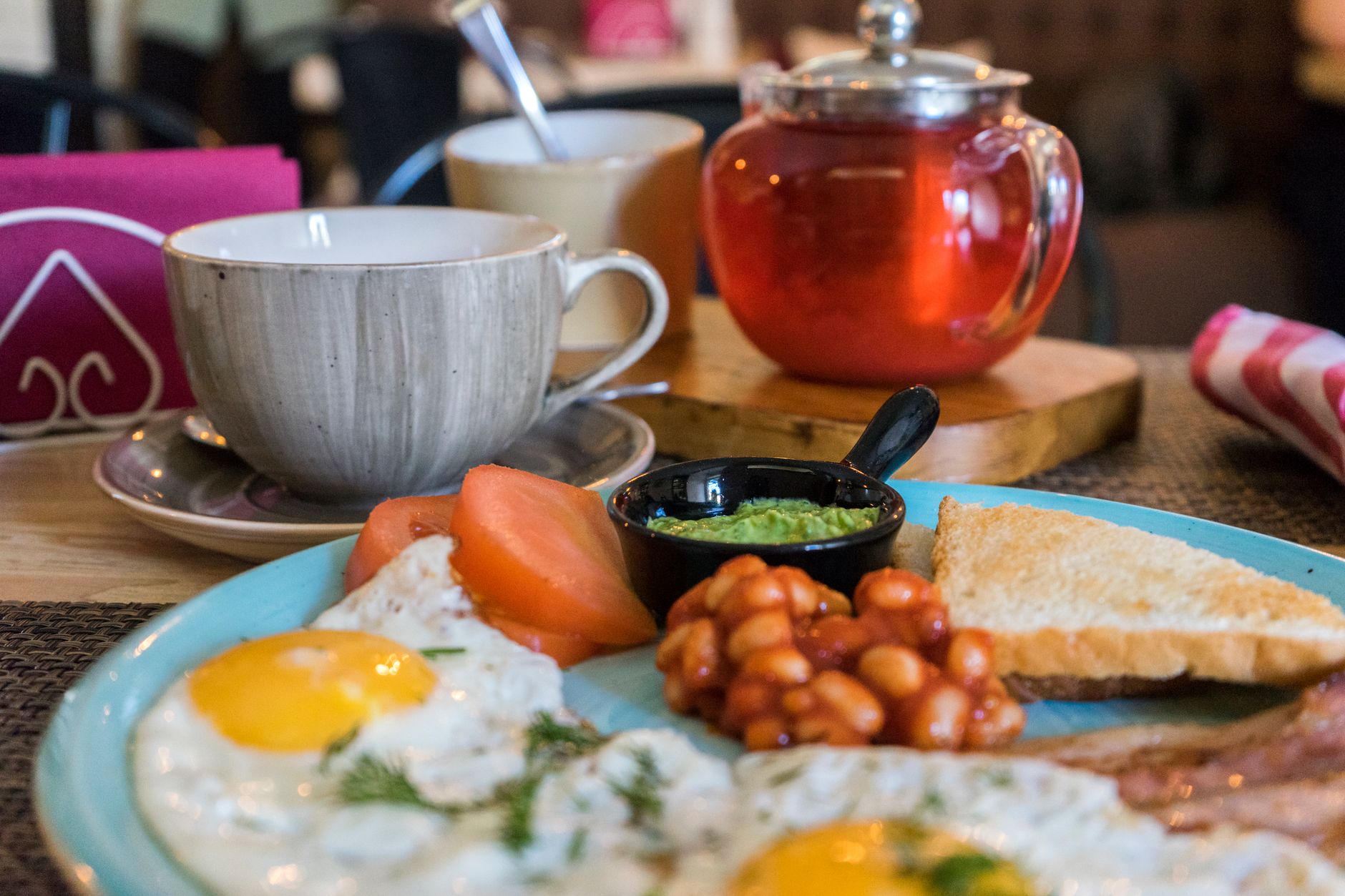
English Breakfast Tea is a traditional black tea blend that offers a rich, robust flavor, making it a popular choice for many tea drinkers. One common question surrounding this drink is about its caffeine content, which plays a significant role in many people’s decision to enjoy it as part of their daily routine.
This article explores how much caffeine is in English Breakfast Tea, factors that influence its caffeine levels, and comparisons with other types of tea and coffee. Understanding this will help you make informed choices about your tea consumption.
How Much Caffeine in English Breakfast Tea?
English Breakfast Tea typically contains between 40 to 70 milligrams of caffeine per 8-ounce cup, depending on various factors, including the brand, steeping time, and the type of tea leaves used. Generally, this caffeine level is moderate compared to other beverages, making it a popular choice for a comforting morning beverage.
Understanding Caffeine in English Breakfast Tea
Caffeine is a natural stimulant found in tea, coffee, chocolate, and some soft drinks. Its presence in English Breakfast Tea contributes to the wakefulness and alertness that many people seek when consuming tea. However, the caffeine content can vary significantly based on how the tea is processed and prepared.
Factors Influencing Caffeine Levels
- Type of Tea Leaves: Different tea leaves have varying caffeine levels. English Breakfast Tea is usually a blend of several black teas, such as Assam, Ceylon, and Kenyan, each contributing different amounts of caffeine.
- Steeping Time: The longer tea is steeped, the more caffeine is extracted. A standard brewing time for English Breakfast Tea is typically 3 to 5 minutes.
- Tea Bag vs. Loose Leaf: Tea bags may contain more dust and fannings that can release caffeine more quickly, while loose leaf tea may provide a more balanced flavor with varying caffeine extraction.
- Serving Size: Serving sizes can differ. If you are drinking a larger cup, you will naturally consume more caffeine.
- Preparation Method: The temperature of the water used for brewing also affects caffeine extraction. Hotter water generally extracts more caffeine.
Comparing Caffeine Content in Different Beverages
To give context to the caffeine levels in English Breakfast Tea, it’s helpful to compare it with other common drinks:
| Beverage | Caffeine Content (mg per 8 oz) |
|---|---|
| English Breakfast Tea | 40-70 |
| Black Coffee | 95-200 |
| Green Tea | 20-45 |
| Espresso | 63 |
| Chai Tea | 50-70 |
As noted, English Breakfast Tea’s caffeine levels fall between green tea and black coffee, making it a middle-ground choice for those looking for an energy boost without the higher caffeine content often found in coffee.
Health Considerations of Caffeine Intake
While moderate caffeine consumption is generally considered safe for most adults, it’s essential to be aware of individual tolerances. The Dietary Guidelines for Americans recommend a maximum intake of up to 400 milligrams of caffeine daily for most adults, which is roughly equivalent to four cups of brewed coffee or ten cups of tea, including English Breakfast Tea.
Excessive caffeine consumption can lead to side effects such as:
- Insomnia
- Increased heart rate
- Increased anxiety
- Digestive issues
Individuals sensitive to caffeine or who have specific health conditions should monitor their intake and consult healthcare professionals regarding their caffeine consumption.
Brewing the Perfect Cup of English Breakfast Tea
To enjoy English Breakfast Tea at its best, proper brewing techniques are essential. The following steps outline how to brew a flavorful cup:
Essential Equipment
- Tea kettle or pot
- Teapot or tea infuser (if using loose leaf)
- Measuring spoon (if required)
- Tea cups
Ingredients
- 1 tea bag or 1 teaspoon of loose leaf English Breakfast Tea
- 8 ounces of freshly boiled water
- (Optional) Milk and sweeteners to taste
Method
- Boil fresh water in a kettle or pot.
- If using loose leaf tea, measure about one teaspoon of tea leaves per cup and place them in a teapot or infuser.
- Pour boiling water over the tea leaves or tea bag.
- Let the tea steep for 3 to 5 minutes, depending on your taste preference. A longer steep will produce a stronger flavor.
- Remove the tea bag or strain the loose leaves from the tea.
- Serve the tea hot, adding milk, sugar, or lemon as desired.
Common Mistakes When Brewing English Breakfast Tea
While brewing tea may seem straightforward, there are common pitfalls that can affect flavor and caffeine extraction. Avoid the following mistakes:
- Using water that has not reached a rolling boil can result in flat-tasting tea.
- Allowing the tea to steep for too long can lead to bitterness.
- Using too little tea leaves or tea bags diminishes flavor intensity.
- Storing tea improperly (e.g., in a damp place) can affect the taste and potency.
Tips for Enjoying English Breakfast Tea
Enjoying English Breakfast Tea can be enhanced through a few practical tips:
- Pair with Breakfast: This tea complements hearty breakfasts such as eggs, bacon, and toast.
- Experiment with Add-ins: Try adding spices like cinnamon or nutmeg for a twist, or use flavored creamers.
- Mindful Consumption: Take your time to savor the rich flavors and aromas of your tea. Rushing may diminish the experience.
Variations of English Breakfast Tea
For those who enjoy experimenting, there are several variations of English Breakfast Tea to try:
- Scottish Breakfast Tea: A stronger, darker blend typically made with more robust Assam tea.
- Irish Breakfast Tea: Similar to English Breakfast but often stronger and made primarily of Assam tea.
- Decaffeinated English Breakfast Tea: Offers the same flavor profile without the caffeine, ideal for sensitive drinkers.
Storing English Breakfast Tea
Proper storage of your English Breakfast Tea can significantly affect its flavor and aroma. Follow these guidelines to ensure freshness:
- Store in an airtight container away from light, heat, and humidity.
- Avoid storing tea in the refrigerator, as moisture can damage the leaves.
- Check for the “best by” date on packages and use older tea more promptly.
Conclusion
In summary, English Breakfast Tea offers a moderate caffeine content that can provide a boost without the intense effects often associated with coffee. Understanding caffeine levels, brewing techniques, and storage methods will help enhance your experience with this beloved beverage. Enjoy a warm cup with your morning meal or as a comforting afternoon treat.
For more insights into caffeine and tea, consider exploring our articles on chai tea caffeine content and tea with the most caffeine. Discover more about the world of tea and how enhancing your brew can elevate your daily routine!