
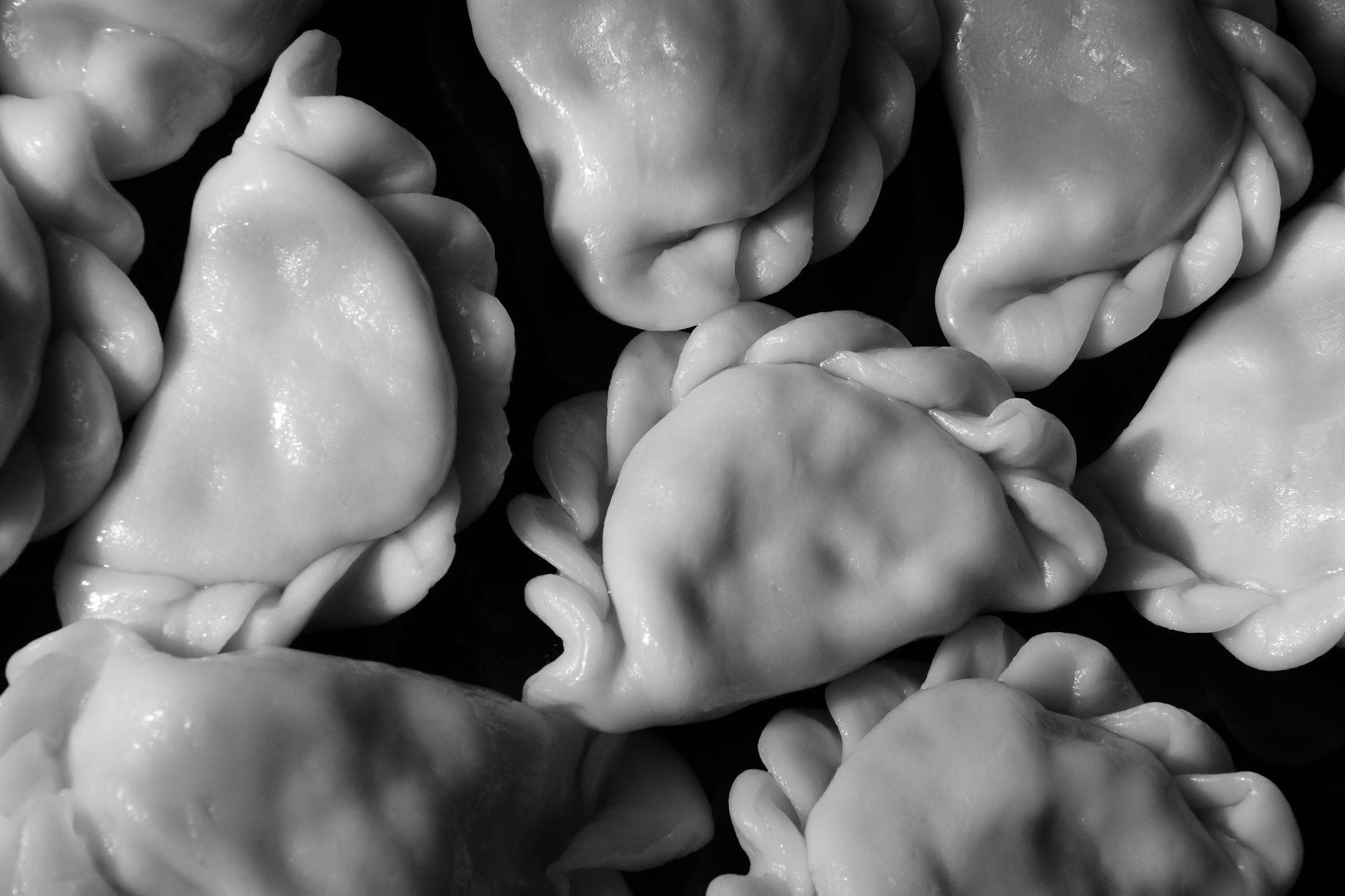
Dumplings have become a beloved staple in many culinary traditions worldwide, with squishy dumplings being particularly popular for their delightful texture and versatility. Understanding the cost associated with squishy dumplings can help you plan meals and budget effectively. From restaurant menus to homemade versions, let’s delve into how much squishy dumplings typically cost and explore the various factors that influence their pricing.
This article will guide you through the pricing landscape of squishy dumplings, examining both restaurant menu prices and the cost of making them at home. We’ll also consider portion sizes, preparation, and ingredients for both store-bought and homemade options. By the end, you’ll have a solid understanding of how much you can expect to pay for squishy dumplings in various contexts.
How Much Are the Squishy Dumplings?
The cost of squishy dumplings varies based on several factors, including whether they are made at home or purchased from a restaurant. On average, restaurant prices for squishy dumplings range from $6 to $15, depending on the type of cuisine and ingredients used. In contrast, making these dumplings at home can cost significantly less, depending on your choice of ingredients and whether you already have kitchen essentials on hand.
Restaurant Prices for Squishy Dumplings
When dining out, the cost of squishy dumplings can differ considerably from one restaurant to another. Here’s a breakdown of the potential pricing across various types of cuisine:
Asian Restaurants
- Chinese Dumplings: Typically range from $6 to $12 for a serving of six to ten dumplings. These can be steamed, boiled, or pan-fried.
- Korean Mandu: Usually priced at about $8 to $15 for a plate of fried or steamed dumplings, often served with dipping sauces.
- Japanese Gyoza: Generally between $7 to $12, typically served grilled with a crispy bottom and a side of ponzu sauce.
Western Adaptations
- Italian Ravioli: Can cost around $12 to $20 for a dish, particularly if served with gourmet sauces and toppings.
- American Chicken and Dumplings: Typically found at restaurants priced between $10 to $18, depending on the heartiness of the dish and accompanying ingredients.
Prices may also fluctuate based on location, restaurant reputation, and quality of ingredients. High-end establishments might offer gourmet versions of squishy dumplings with unique fillings or upscale presentations, driving prices towards the higher end of the spectrum.
Homemade Squishy Dumplings
Making squishy dumplings at home can be a cost-effective and rewarding way to enjoy this dish. The cost largely depends on your choice of fillings and the ingredients for the dough. Here’s an overview of what to expect:
Basic Ingredient Costs
- For the Dough: You will need all-purpose flour, water, and a pinch of salt. The total cost for these items generally amounts to about $2 to $3.
- Fillings: Options include ground meat (like pork or chicken), vegetables (such as cabbage or mushrooms), and spices. Average costs can range from $5 to $10, depending on the quality and quantity of the ingredients you choose.
- Dipping Sauce: Preparing a homemade dipping sauce may add another $1 to $3, depending on whether you make a simple soy sauce mix or a more elaborate one.
Considering all of these, making a batch of squishy dumplings at home can range from $8 to $16, depending on how many dumplings you prepare and the ingredients you use. This can yield a substantial amount of dumplings, typically serving four or more people.
Recipe for Homemade Squishy Dumplings
If you’re eager to try making squishy dumplings at home, here’s a basic recipe to get you started. This recipe yields approximately 24 dumplings.
Ingredients
- 2 cups all-purpose flour
- 1/2 cup water (plus more as needed)
- 1/4 teaspoon salt
- 1 pound ground pork (or any filling of your choice)
- 1 cup finely chopped cabbage
- 2 green onions, minced
- 1 tablespoon soy sauce
- 1 teaspoon sesame oil
- Salt and pepper to taste
Equipment
- Mixing bowl
- Dough roller or rolling pin
- Knife and chopping board
- Steamer or large pot for boiling
- Serving dishes
Method
- In a mixing bowl, combine the flour, salt, and water. Knead the mixture until it forms a smooth dough. Cover it with a damp cloth and let it rest for 30 minutes.
- In another bowl, mix the ground pork, chopped cabbage, green onions, soy sauce, sesame oil, and season with salt and pepper.
- Roll out the dough on a floured surface until it’s thin. Cut out circles using a glass or cookie cutter, about 3 inches in diameter.
- Place a spoonful of the filling in the center of each circle. Fold the dough over to create a half-moon shape and pinch the edges firmly to seal.
- Set up a steamer or bring a large pot of water to a boil. Place the dumplings in the steamer or carefully drop them into boiling water.
- Steam for about 15-20 minutes, or boil until they rise to the surface and are cooked through. Serve immediately with dipping sauce.
Cost-Effective Tips for Making Dumplings
When preparing squishy dumplings at home, there are several tips to help keep costs low while maintaining flavor:
- Buy in Bulk: Purchase flour and other staple ingredients in bulk to save money in the long run.
- Creative Fillings: Use affordable ingredients such as vegetables or tofu for fillings instead of more expensive meats.
- Leftovers: Utilize leftover meats or vegetables from other meals to create unique dumpling fillings.
- Batch Cooking: Make larger quantities at once and freeze uncooked dumplings for future meals.
Common Mistakes and Troubleshooting
While making dumplings can be simple, several common mistakes can occur that might lead to undesirable results. Here’s how to troubleshoot some of these issues:
- Dough is Too Sticky: If the dough is sticking to your hands or work surface, add a little more flour while kneading until it reaches the right consistency.
- Dumplings Fall Apart in Water: Ensure that the edges are sealed well; sometimes a little water can help the dough adhere better.
- Fillings Seep Out: Avoid overfilling the dumplings to prevent the fillings from leaking during cooking.
Storage and Reheating Guidance
Proper storage of your dumplings can extend their shelf life and maintain quality:
- Refrigerating: Store uncooked dumplings in an airtight container in the refrigerator for up to two days. Cooked dumplings can last up to four days.
- Freezing: Arrange uncooked dumplings on a baking sheet to freeze individually before transferring them to a freezer bag. They can last for up to three months in the freezer.
- Reheating: Steam or microwave frozen dumplings until heated through. For cooked dumplings, a quick steam or pan-fry can revive their textures beautifully.
Comparative Cost Analysis
When comparing the costs of dining out to making dumplings at home, it’s clear significant savings can be achieved by cooking at home. For instance, if you were to order a dish of pork dumplings at a restaurant for $12 and replicate that with homemade dumplings costing $10 for a batch that serves four, the cost per serving drops drastically.
Additionally, making dumplings allows you to customize the ingredients to your preferences, catering to dietary needs or preferences that may not be met at a restaurant. Whether you’re avoiding gluten, looking for vegetarian options, or just seeking to replicate a family recipe, being in control of your ingredients is a substantial benefit.
Exploring Variations and Regional Styles
Squishy dumplings come in many varieties and styles, influenced by regional cuisines.
Chinese Variants
- Xiao Long Bao: A soup dumpling filled with fragrant broth and meat.
- Shumai: Open-topped dumplings typically filled with pork or seafood and topped with a bit of roe.
Japanese Variants
- Gyoza: Often filled with meat and vegetables, known for their crispy bottoms.
- Shumai: A common dim sum item, usually made with pork and served steamed.
Korean Variants
- Mandu: Their fillings may include beef, pork, garlic chives, and tofu, often served fried or steamed.
- Korean Kimchi Dumplings: Spicy and tangy dumplings filled with kimchi and pork or beef.
Understanding these variations can also help you appreciate the diverse culinary landscape of dumplings. With differing flavors and textures, regional styles can inspire you to try new filling combinations or cooking methods.
Final Thoughts on Squishy Dumpling Costs
Knowing how much squishy dumplings cost and the factors that influence their prices is valuable for both home cooks and dining enthusiasts. While restaurant prices can be high, mastering the art of dumpling-making at home can provide a delicious, cost-effective way to enjoy this beloved dish.
Whether you choose to explore various regional dumpling styles, experiment with unique fillings, or stick to a classic recipe, understanding the associated costs ensures you can make informed food choices. Incorporating squishy dumplings into your meal planning can enrich your culinary experience, allowing you to savor these delightful morsels without breaking the bank.
For more details on enhancing your dumpling experience, check out our recipes for dumpling dipping sauce and Cracker Barrel chicken and dumplings. Happy cooking!