
Determining how many times a day one should eat is a question that sparks considerable debate among nutritionists, dietitians, and food enthusiasts alike. While there is no one-size-fits-all answer, understanding your own lifestyle, preferences, and health goals is key to making decisions about meal frequency.
This article will explore meal timing, portion sizes, and serving suggestions to help you answer the question: “How many times a day should I eat?” Whether you’re looking to lose weight, maintain energy levels throughout the day, or simply enjoy your meals more, we’ll cover everything you need to know.
How Many Times a Day Should I Eat?
The number of meals you should eat daily can range from three to six, depending on several factors such as individual metabolism, activity level, and personal preferences. Generally, eating three balanced meals a day—breakfast, lunch, and dinner—is the traditional approach. However, you may find that smaller, more frequent meals work better for your lifestyle and energy needs.
Some research suggests that increasing meal frequency, such as incorporating snacks between meals, can help improve metabolic health and stabilize blood sugar levels. On the other hand, others argue that fewer meals allow for a more prolonged state of satiety. Ultimately, you should choose a meal pattern that fits your lifestyle.
Factors Influencing Meal Frequency
Several key factors can influence how often you should eat in a day:
1. Personal Health Goals
Your specific health objectives—whether weight management, muscle building, or energy maintenance—play a crucial role in determining meal frequency. For instance:
- Weight Loss: Many individuals find success with smaller, more frequent meals, which can prevent overeating and reduce hunger pangs.
- Muscle Building: Consuming more meals (often with protein) can help in muscle recovery and growth.
- Maintenance: Those looking to maintain their weight might find three balanced meals sufficient.
2. Activity Level
Your energy expenditure influences how often you need to eat. Higher activity levels usually require more fuel in the form of meals or snacks, especially to maintain endurance and muscle mass.
3. Lifestyle and Schedule
Finally, consider your daily schedule and lifestyle preferences. A person with a busy workday may prefer three larger meals, while someone with a more flexible routine might opt for smaller meals spread throughout the day to keep energy levels stable.
Breaking Down Meal Sizes and Portions
Understanding how much to eat at each meal can often be just as crucial as how many times to eat in a day. Here’s a breakdown of portion sizes and what they should generally consist of:
1. Breakfast
Breakfast is often considered the most important meal of the day. Aim for a balanced breakfast that includes:
- Whole grains: Oatmeal, whole-grain toast, or granola.
- Protein: Eggs, yogurt, or a protein shake.
- Fruits or vegetables: Fresh fruits, berries, or greens.
A typical breakfast portion might consist of a serving of oatmeal (about 1/2 cup cooked), two eggs, and a medium fruit. This combination can keep you feeling full and energized until lunch.
2. Lunch
A balanced lunch should combine protein, healthy fats, and a variety of colorful vegetables. A well-rounded lunch might include:
- Lean protein: Chicken, turkey, tofu, or legumes.
- Healthy fats: Avocado, nuts, or olive oil.
- Vegetables: A salad or steamed veggies.
Portion-wise, consider a plate filled with one serving of protein (about 3-4 ounces), a handful of leafy greens, and a quarter plate of healthy fats, like 1/4 avocado.
3. Dinner
Dinner often mirrors lunch in terms of balance. Aim to also focus on reducing simple carbohydrates in the evening. For an ideal dinner plate, aim for:
- Protein: A serving of fish, poultry, or a plant-based protein source.
- Complex carbs: Quinoa, brown rice, or sweet potatoes.
- Vegetables: Roasted, steamed, or sautéed.
A dinner plate might consist of a serving of salmon (approximately 4 ounces), a cup of quinoa, and a side of roasted vegetables.
4. Snacks
Incorporating healthy snacks between meals can support energy levels and prevent overeating during main meals. Consider options like:
- A small handful of nuts (about 1 ounce).
- A piece of fruit.
- A small yogurt or a slice of whole-grain bread with hummus.
A snack portion is generally around 150-200 calories, which can help keep your metabolism steady.
Sample Meal Plans
To put theory into action, here are sample meal plans for different eating frequency approaches:
Three Meals a Day
- Breakfast: Greek yogurt with almond butter and fresh berries.
- Lunch: Salad with grilled chicken, cherry tomatoes, cucumber, and a vinaigrette.
- Dinner: Stir-fried tofu with mixed vegetables and brown rice.
Five Meals a Day
- Breakfast: Smoothie with spinach, banana, and protein powder.
- Snack: Cottage cheese and pineapple.
- Lunch: Turkey wrap with lettuce, tomatoes, and avocado.
- Snack: Raw veggies with hummus.
- Dinner: Baked chicken with quinoa and asparagus.
Common Mistakes in Meal Timing
While the number of meals can vary, people often make several common mistakes:
1. Skipping Meals
Many people skip meals, thinking it will help with weight control. However, this can lead to excessive hunger and overeating later on.
2. Eating Only Two Meals
Some individuals may choose to eat only two large meals a day, leading to imbalanced nutrition and a lack of energy throughout the day.
3. Ignoring Nutritional Balance
Focusing solely on meal frequency without considering the nutritional balance can result in insufficient intake of essential nutrients.
Meal Timing and Your Circadian Rhythm
Recent research highlights the importance of aligning meal times with the body’s natural circadian rhythm. Eating when it’s dark (evening) versus during daylight can affect metabolic health.
For optimal health, consider eating larger meals earlier in the day and lighter meals as nighttime approaches.
Meal Planning Tips
Effective meal planning can help streamline your eating schedule while ensuring you achieve a balanced diet:
- Plan Ahead: Dedicate time to plan your meals for the week, ensuring balanced options.
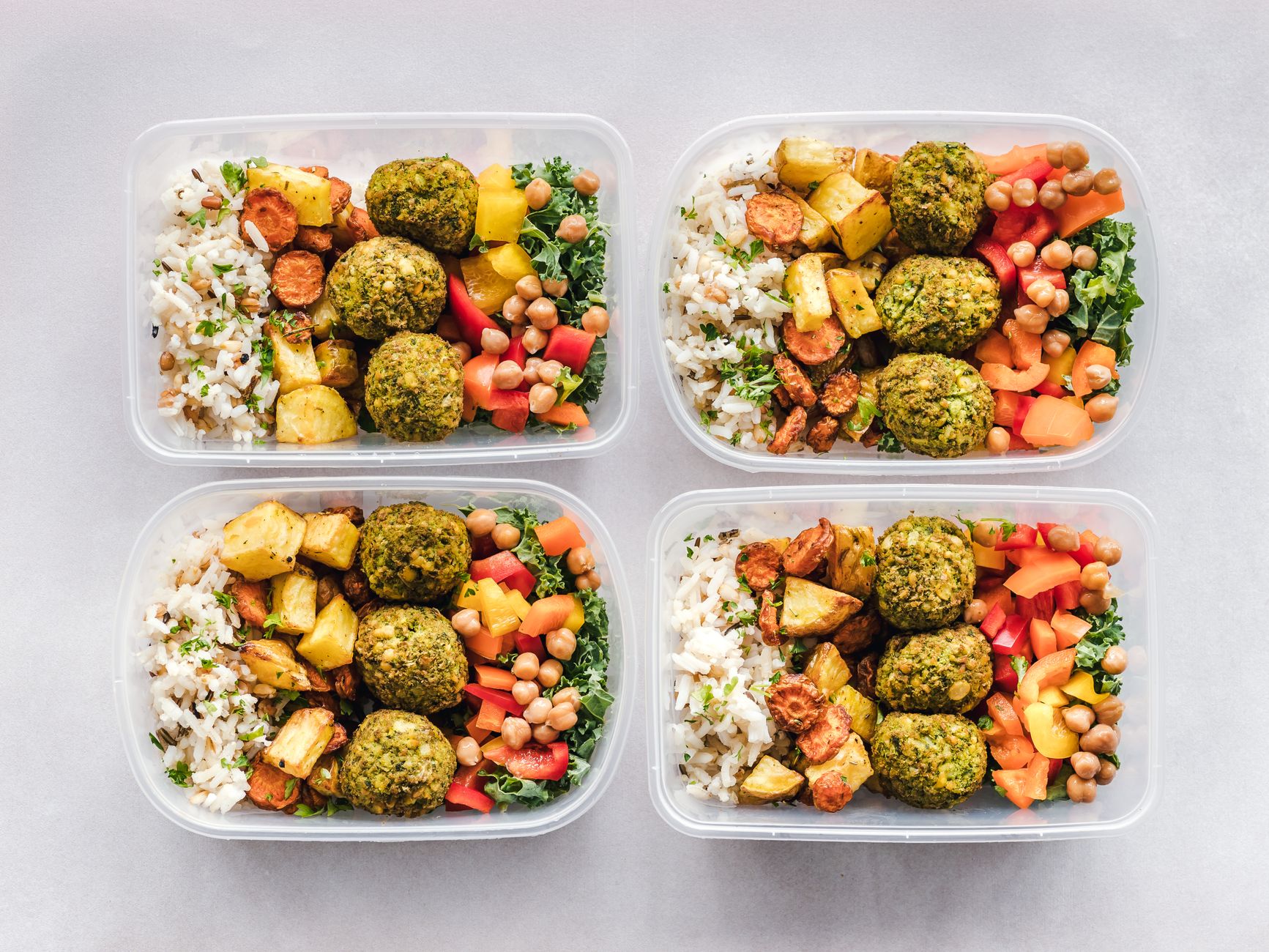
- Batch Cooking: Prepare portions of meals in advance to save time during the week.
- Use Leftovers: Reuse leftover ingredients from one meal in the next to reduce waste.
Portion Control and Mindful Eating
Mindful eating and portion control can enhance your eating experience and ensure you receive adequate nourishment:
- Listen to Hunger Cues: Pay attention to your body’s signals for hunger and fullness.
- Avoid Distractions: Eating in a calm environment can help you focus on your meal and enjoy it more.
- Use Smaller Plates: Smaller dishes can help you manage portion sizes effectively.
Conclusion
Determining how many times a day you should eat is a personal decision that hinges on various factors, including health goals, lifestyle, and personal preferences. Pelase feel free to experiment with different meal frequencies and portion sizes until you find a routine that works best for you and your well-being.
For those interested in deeper culinary insights, check out these related topics: the ideal cooking times for chicken thighs, or how to perfectly cook turkey per pound.