
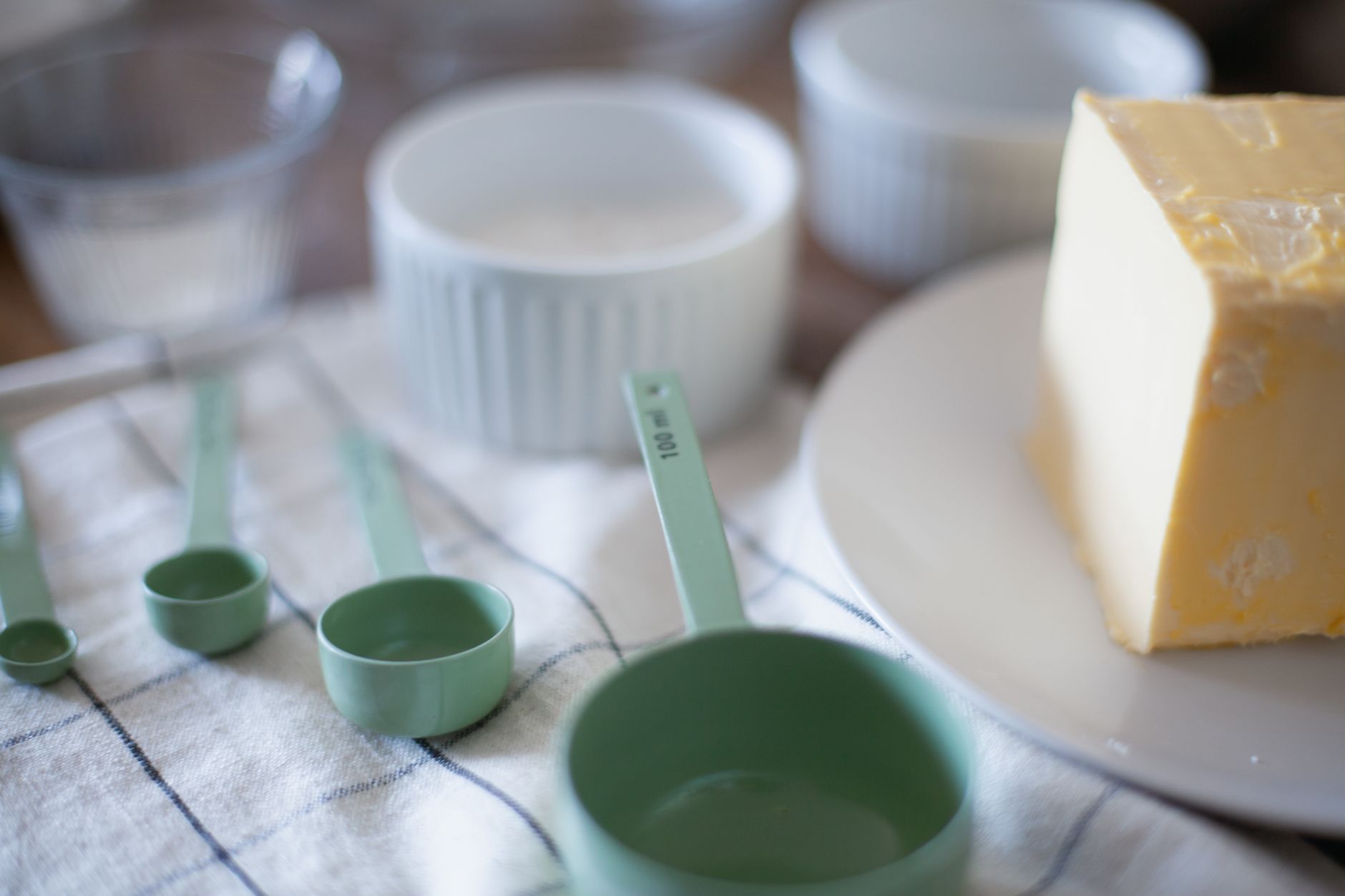
Understanding ingredient measurements is essential in cooking and baking. Butter, in particular, is a staple ingredient found in countless recipes, from savory dishes to sweet treats. Knowing how many tablespoons are in 3/4 of a cup of butter can help you prepare meals accurately and efficiently.
This article will explore the conversion of 3/4 of a cup of butter into tablespoons, why precise measurements matter, and provide helpful tips and measurements for various butter-related tasks in the kitchen.
How Many Tablespoons Is 3/4 Of A Cup Of Butter?
There are 12 tablespoons in 3/4 of a cup of butter. This conversion is essential when following recipes requiring specific amounts, ensuring your dishes turn out just right.
The Importance of Accurate Measurements
In cooking, especially baking, precise measurements can mean the difference between a successful dish and a culinary disaster. When it comes to baking, small variations can lead to variations in texture and flavor.
Butter is used for various functions in cooking, including adding flavor, moisture, and richness. Whether you’re making a cake, cookies, or a savory sauce, measuring butter accurately ensures that the final product has the right consistency and taste.
Measuring Butter: A Detailed Guide
Measuring butter can be straightforward, but it requires attention to detail. Here are various methods to measure butter accurately:
1. Using Sticks of Butter
In the United States, butter typically comes in sticks, each weighing 1/4 pound (or 113 grams). A standard stick of butter is wrapped in paper with measurements marked, making it easy to cut off the desired amount. Here’s how to measure:
- One stick of butter equals 1/2 cup (8 tablespoons).
- To get 3/4 cup of butter, use 1 and 1/2 sticks of butter (equivalent to 12 tablespoons).
2. Using a Liquid Measuring Cup
If you’re using butter from a tub or already partially melted butter, a liquid measuring cup can be useful:
- Place the liquid measuring cup on a flat surface, and ensure it is level.
- Pour the melted butter into the measuring cup until it reaches the 3/4 cup line.
- Let the butter cool slightly if it’s warm before using it in your recipe.
3. Measuring by Weight
For the most accuracy, especially in professional baking, using a kitchen scale is recommended:
- Measure out 6 ounces (170 grams) of butter, which corresponds to 3/4 of a cup.
Practical Uses of Butter in Cooking
Butter is a versatile ingredient with various uses in cooking and baking. Here’s a look at how to use butter effectively in different dishes.
Baking
In baking, butter serves many purposes:
- Flavor: Butter adds a rich flavor to baked goods.
- Texture: It provides tenderness to cakes and cookies.
- Leavening: When creamed with sugar, butter creates air pockets, helping baked goods rise.
Cooking
Butter is also commonly used in cooking as a base for sauces and to sauté vegetables. Here are some common cooking methods:
- Sautéing: Use butter to cook vegetables or meat, adding depth of flavor.
- Making Sauces: Brown butter or beurre blanc can elevate sauces.
- Basting: Use melted butter to baste meats during roasting, enhancing flavor and moisture.
Substituting Butter: Alternatives to Consider
There might be times when butter isn’t available, or you may need a dairy-free option. Here’s a list of common butter substitutes along with their uses:
1. Margarine
Margarine can be used as a direct substitute for butter in most recipes, keeping the same measurements. The taste may differ slightly, but the texture remains similar.
2. Coconut Oil
For a non-dairy substitute, coconut oil can work well in baking. Use a 1:1 ratio, but note that it may impart a slight coconut flavor.
3. Applesauce
In baking, unsweetened applesauce can replace butter to create moist dishes. Use 1/4 cup of applesauce for every 1/4 cup of butter, but this works best in cakes and muffins rather than cookies.
Common Mistakes When Measuring Butter
Here are some frequent errors to avoid when measuring butter:
1. Not Leveling Off
When using solid butter, ensure to level off the excess to avoid using more than needed.
2. Assuming Volume Equals Weight
Remember, a cup of melted butter does not weigh the same as a cup of solid butter. Always check the consistency you need for your recipe.
3. Forgetting to Soften
If a recipe requires softened butter, make sure to leave it out at room temperature beforehand to achieve the right consistency, especially for creaming with sugar.
Butter Storage Tips
To maintain the freshness and quality of butter, follow these storage guidelines:
1. Refrigeration
Store butter in the refrigerator in its original wrapping or airtight container to reduce exposure to air and moisture.
2. Freezing
Butter can be frozen for longer storage. Wrap it tightly in plastic wrap and place it in a freezer-safe bag. It can last up to six months when frozen.
3. Avoiding Absorption of Odors
Keep butter away from strong-smelling foods in the fridge to avoid absorption of unwanted flavors.
Final Thoughts on Butter Measurements
Knowing how many tablespoons are in 3/4 of a cup of butter is crucial for both novice and experienced cooks. With this knowledge, you can seamlessly follow recipes and experiment with your culinary creations.
Next time you bake or cook, remember the importance of precise measurements and enjoy the richness and flavor butter brings to your dishes.
Explore related recipes and cooking tips to elevate your culinary skills further, such as our cinnamon roll recipe with heavy cream or pancake recipe for one. Happy cooking!