
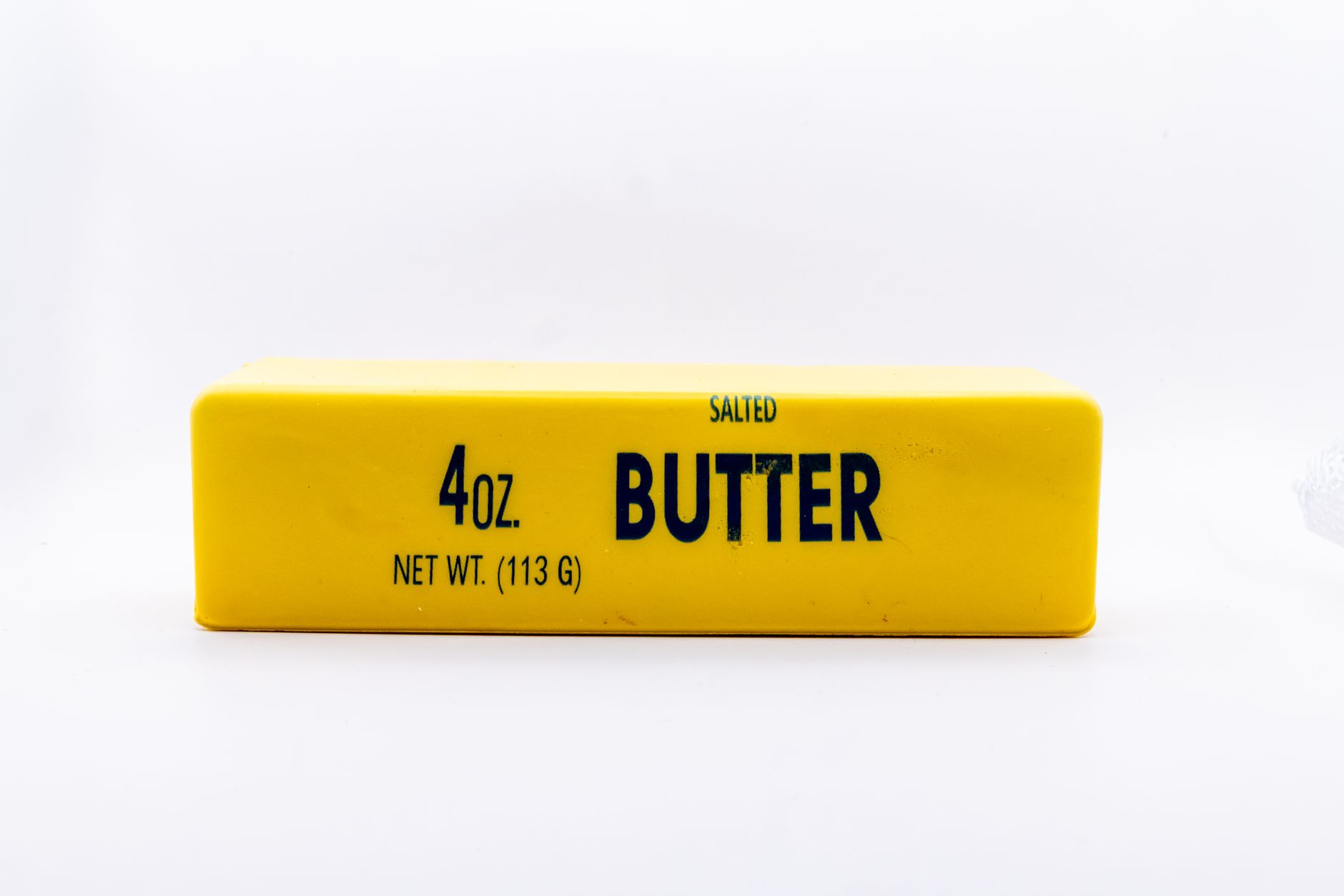
Butter is a cornerstone ingredient in countless recipes, contributing richness and flavor to everything from baked goods to savory dishes. Understanding how to measure butter accurately is essential for successful cooking and baking. A common question arises: How many tablespoons are in 1 stick of butter?
In the U.S., a standard stick of butter typically weighs 4 ounces or 113 grams. This stick is conveniently marked with tablespoon measurements, making it easy to use. A single stick of butter contains 8 tablespoons. In this article, we will explore how to measure butter, its various uses in cooking and baking, and tips for storing it effectively.
How Many Tablespoons Are in 1 Stick of Butter?
One stick of butter equals 8 tablespoons. This clear conversion can help you efficiently measure butter for any recipe, ensuring accuracy in your cooking and baking endeavors.
Understanding Butter Measurements
When working with butter, it’s essential to grasp common measurements to avoid any mistakes. Here are some key points about butter measurements:
- A stick of butter is typically 4 ounces or 113 grams.
- Most recipes in the U.S. refer to butter in sticks or tablespoons.
- Butter can also be found in ½ stick measurements—this would yield 4 tablespoons.
- If a recipe calls for a specific weight of butter, use a kitchen scale for precise measurement.
Butter Varieties
Butter comes in various forms and types. Knowing these can help enhance your cooking and baking experience:
- Unsalted Butter: This is the most commonly used type in baking, allowing for control over added salt. Most recipes will specify unsalted butter.
- Salted Butter: This type has added salt, which can influence the flavor of a dish. If a recipe calls for unsalted butter and only salted is available, consider reducing the additional salt in the recipe.
- European-Style Butter: This butter has a higher fat content and is often richer in flavor and creaminess. It can be used interchangeably with American butter, though slight adjustments in recipe proportions may be necessary.
- Clarified Butter: This is butter that has had the milk solids and water removed. It’s used in cooking at higher temperatures without burning.
How to Measure Butter
Measuring butter accurately is crucial for recipe success. Here’s a guide on how to do it properly:
- Check the Wrapper: Most sticks of butter come wrapped with measurements on the paper. Each tablespoon section is usually clearly marked, making it easy to cut off the desired amount.
- Using a Knife: If you need only a tablespoon or two, use a sharp knife to cut straight down through the marked sections.
- Using a Scale: For more precision, especially in baking where accuracy is critical, weigh the butter. Remember, 1 stick = 4 ounces = 113 grams.
- Room Temperature Butter: If soft butter is required, leave it out at room temperature for about 30 minutes before measuring. This allows for easier mixing in recipes.
Cooking and Baking with Butter
Butter is versatile and can enhance flavors in both cooking and baking. Here are ways to utilize butter effectively:
Baking
Butter plays a crucial role in baking due to its fat content, which contributes to the texture and flavor:
- Cookies: The type of butter and measurements can affect the chewy or crisp texture of cookies.
- Cakes: Creaming butter with sugar incorporates air, resulting in a lighter cake.
- Croissants: The flakiness of croissants largely depends on the quality and temperature of the butter used.
Cooking
In cooking, butter adds flavor and richness. Here are some popular uses:
- Sautéing Vegetables: Use butter to sauté for added flavor and a touch of sweetness.
- Making Sauces: Butter adds a silky finish to sauces, particularly in emulsified sauces like hollandaise.
- Finishing Dishes: Adding a pat of butter at the end of cooking can elevate the flavor of many dishes.
Common Recipes Using Butter
Here are several recipes that highlight the use of butter and how to measure it accurately:
Butter Swim Biscuits
These fluffy biscuits are made richer with butter. Here’s a quick overview:
Yield:
12 biscuits
Preparation Time:
10 minutes
Cooking Time:
20 minutes
Total Time:
30 minutes
Ingredients:
- 1 stick (8 tablespoons) of unsalted butter, melted
- 2 cups all-purpose flour
- 1 tablespoon baking powder
- 1 teaspoon salt
- 1 cup milk
Method:
- Preheat the oven to 450°F (232°C).
- In a bowl, mix together the flour, baking powder, and salt.
- Add the milk and stir until just combined.
- In a 9×13 inch baking dish, pour in the melted butter, then spoon the biscuit dough over it.
- Bake for about 20 minutes or until golden brown.
Caramel Icing
This luscious icing enhances cakes with a rich buttery flavor:
Yield:
Enough for a two-layer cake
Preparation Time:
5 minutes
Cooking Time:
15 minutes
Total Time:
20 minutes
Ingredients:
- ½ stick (4 tablespoons) unsalted butter
- 1 cup brown sugar, packed
- ¼ cup milk
- 1 cup powdered sugar
Method:
- In a saucepan, melt the butter over medium heat.
- Add the brown sugar and milk, stirring until it comes to a boil.
- Remove from heat and let the mixture cool slightly before adding powdered sugar.
- Whisk until smooth and spread quickly over your cooled cake.
Tips for Working with Butter
Here are some practical tips for using butter effectively:
- Keep butter stored in the refrigerator to maintain freshness. If you use it often, consider keeping a stick out for a week without it spoiling.
- Freezing butter can extend its shelf life. Wrap it tightly and store it in the freezer for up to a year.
- To soften butter quickly, cut it into small cubes or grate it.
- For recipes requiring room temperature butter, leaving it out for 30 minutes usually suffices.
Using Butter Alternatives
If you find yourself without butter or wish to create a dairy-free dish, there are several alternatives you can consider:
- Margarine: An easy substitute for butter in equal measurements. Choose non-hydrogenated versions for a healthier option.
- Coconut Oil: Use in a 1:1 ratio; it can impart a mild coconut flavor.
- Applesauce: In baking, use ½ cup applesauce for every 1 cup of butter, enhancing moisture but reducing richness.
- Greek Yogurt: This can provide creaminess in baking; substitute ¾ cup for 1 cup of butter.
Storage and Shelf Life of Butter
Knowing how to store butter properly will help maintain its freshness and flavor. Here are some storage guidelines:
- Unopened butter can last in the refrigerator for several months, while opened butter is best used within a month for optimal freshness.
- Butter can be frozen for up to a year. Wrap it in its original packaging and place it in an airtight container.
- If you notice an off smell or discoloration, it’s time to discard the butter.
Conclusion
Grasping the conversion of 1 stick of butter to 8 tablespoons simplifies your cooking and baking processes immensely. Knowing how to measure and use butter effectively can elevate your culinary creations. So the next time you ask, “How many tablespoons are in 1 stick of butter?” remember this essential conversion and get ready to bake!
If you’re interested in trying out delicious recipes that utilize butter, check out our caramel icing recipe or our butter swim biscuits recipe for new baking inspiration!