
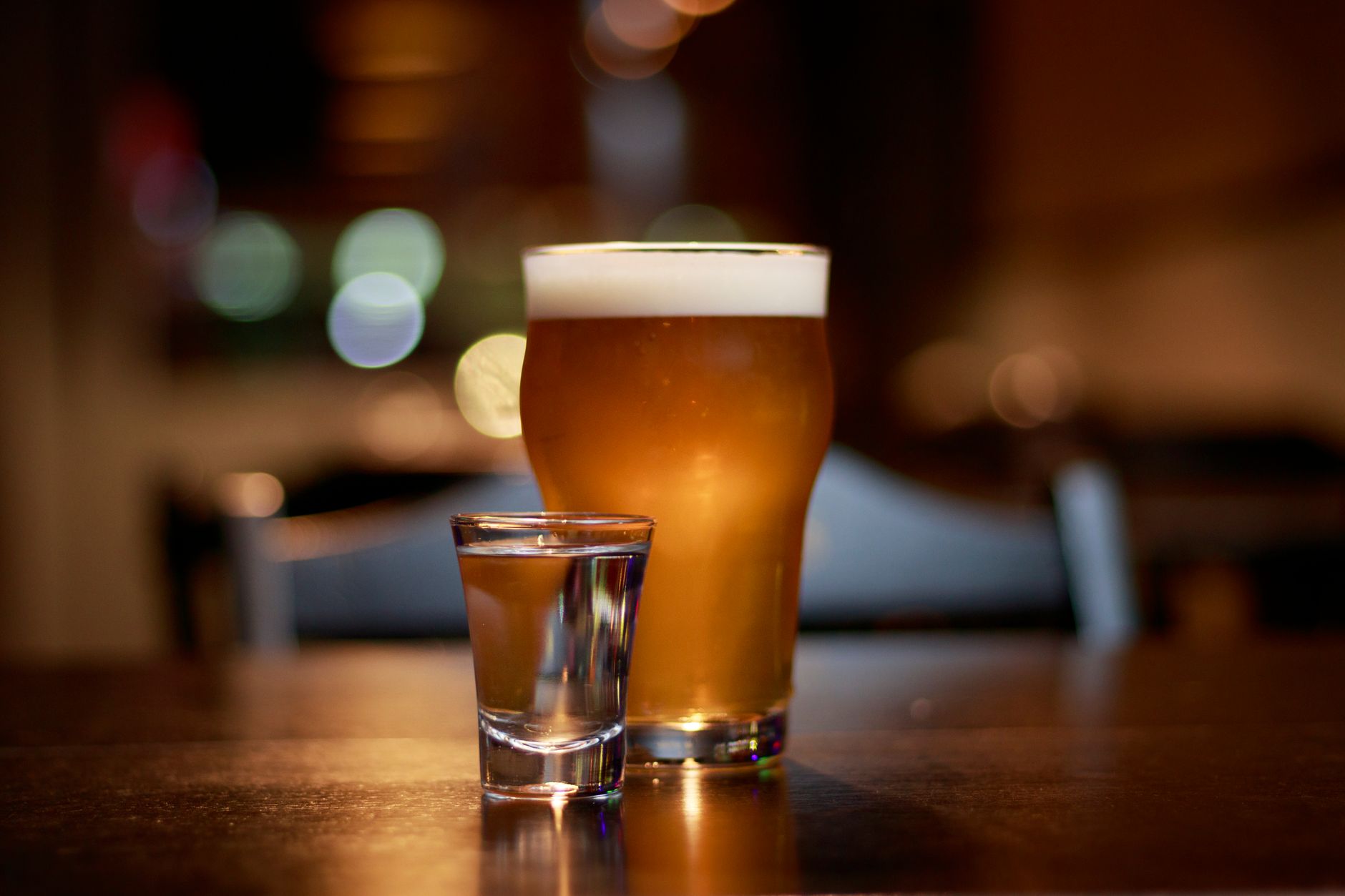
When exploring the relationship between shots and beer, many people wonder how many shots of liquor are equivalent to a beer. This question is important for understanding alcohol content and making informed choices while enjoying socially. The answer depends on various factors, including alcohol by volume (ABV), serving sizes, and personal tolerance levels.
In this article, we will break down the details of beer and shots, examining their ingredients, ABV, typical serving sizes, and alcohol content comparisons. We’ll also provide practical tips for those looking to navigate social settings responsibly while enjoying their drinks.
How Many Shots In A Beer?
The basic rule of thumb is that a standard beer contains roughly the same amount of alcohol as a shot of liquor. Typically, a 12-ounce beer with an ABV of around 5% is equivalent to a 1.5-ounce shot of liquor with an ABV of about 40%. Thus, one beer is generally comparable to one shot of liquor in terms of alcohol consumption.
Understanding Beer: Ingredients and ABV
To fully appreciate how beer compares to shots, it’s essential to understand what beer is composed of and how its alcohol content is measured.
Ingredients in Beer
Beer is created through a fermentation process that primarily involves four main ingredients:
- Water: The primary component of beer, making up 90-95% of the total volume.
- Malt: Usually derived from barley, malt gives beer its sugars necessary for fermentation and contributes to flavor and color.
- Hops: These flowers add bitterness and aroma to beer, balancing the sweetness of malt while also acting as a natural preservative.
- Yeast: This microorganism is responsible for fermentation, converting sugar into alcohol and carbon dioxide.
Beer Alcohol by Volume (ABV)
ABV is a standard measure used worldwide to quantify the amount of alcohol in an alcoholic beverage. To find the ABV of a beer, you can commonly find it listed on the label. Most beers fall between 4% to 7% ABV, with lighter beers often on the lower end and craft brews potentially exceeding 10% ABV.
Examining Shots: Ingredients and ABV
Similar to beer, shots of liquor are essential to consider when discussing alcohol consumption.
Ingredients in Shots
A shot typically consists of distilled spirits, which can include:
- Vodka: A popular choice for its neutral flavor and high alcohol content.
- Whiskey: A spirit made from fermented grain mash, usually featuring a more robust flavor profile.
- Rum: Derived from sugarcane, offering sweet or spiced varieties.
- Tequila: Made from the blue agave plant, it holds distinctive flavor characteristics often used in cocktails and shots.
Shot Alcohol by Volume (ABV)
Most distilled spirits have an average ABV of about 40%. However, some liquors may vary from 30% to 50% or higher depending on the brand and type. Therefore, consuming one shot enables the drinker to absorb a concentrated amount of alcohol quickly.
Comparing Beer and Shots: Alcohol Content
When comparing the two, understanding the math based on ABV and standard serving sizes helps highlight the differences in alcohol content.
Standard Servings
| Beverage | Standard Serving Size | Typical ABV |
|---|---|---|
| Beer | 12 oz. | 4-7% |
| Shot of Liquor | 1.5 oz. | 30-50% |
Calculating Alcohol Content
To illustrate, let’s take an example:
- If a 12-ounce beer has an ABV of 5%, the total alcohol content is 0.6 ounces (12 oz. x 0.05).
- If a shot of 1.5 ounces liquor has an ABV of 40%, that shot also contains 0.6 ounces of pure alcohol (1.5 oz. x 0.4).
This calculation shows that, on average, one standard shot of liquor and one standard beer deliver similar alcohol amounts, reaffirming that one beer is approximately equal to one shot of liquor.
Practical Application: Understanding Your Limits
While knowing the equivalency of shots in relation to beer is a good starting point, understanding personal limits is equally important when it comes to responsible drinking. Factors such as body weight, age, and tolerance can significantly influence individual experiences with alcohol.
Body Weight and Alcohol Tolerance
Generally, heavier individuals may metabolize alcohol differently than lighter ones. The liver breaks down alcohol at a consistent rate; however, larger bodies often distribute alcohol more effectively, leading to potentially less impairment than someone with a smaller frame.
Gender Differences
Gender can play a role in alcohol metabolism as well. Women often have a higher percentage of body fat and lower water content than men, which can affect how alcohol is absorbed in the body. As a result, women may feel the effects of alcohol more intensely than men after consuming the same amount.
Responsible Drinking Guidelines
To drink responsibly, many guidelines suggest:
- Limiting intake to one standard drink per hour.
- Staying hydrated by consuming water alongside alcoholic beverages.
- Being mindful of your own physical limits and acknowledging any signs of intoxication.
Common Mistakes When Drinking Beer and Shots
In social settings, it’s easy to make mistakes related to alcohol consumption. Being aware of common pitfalls can make a difference in enjoying drinks responsibly.
Underestimating Alcohol Content
One of the most common errors is underestimating the actual alcohol content of different beverages. Many may assume that beer is less potent than liquor without recognizing the similarities in alcohol levels.
Mismatched Drinking Pace
Another common mistake arises when people drink beer and shots in the same evening but consume them at different rates. Shots can create a quicker intoxication effect, leading to a noticeable difference in how one feels relative to the slower consumption rate of beer.
Mixing Different Types of Alcohol
Mixing different types of alcohol can complicate intake and produce unpredictable results. It’s advisable to stick to one type and pace consumption throughout the evening.
Enjoying Beer and Shots Responsibly
Many social experiences involve enjoying beer or liquor shots. Here are practical tips for responsible consumption:
Alternatives and Low-ABV Options
If you want to moderate alcohol consumption, consider seeking out low-ABV beer or cocktails. Many breweries and bars offer lighter options that maintain flavor with reduced alcohol.
Plan for Transportation
Always arrange for a safe means of transportation if consuming alcohol away from home. Whether through a designated driver, rideshare service, or public transportation, planning ensures everyone’s safety.
Social Awareness
Be mindful not only of your drinking limits but of those around you. Encouraging friends to drink responsibly can foster a safer environment in social scenarios.
Storage and Serving Recommendations for Beer and Liquor
Storage and serving methods can affect the taste and quality of both beer and liquor.
Beer Storage
- Store beer in a cool, dark place to protect it from light and temperature fluctuations.
- Beer typically has a shelf life of six months to two years, depending on type; check the label for best-by dates.
- Serve beer chilled for optimal flavor. Ideal serving temperatures range between 38°F to 55°F based on beer style.
Liquor Storage
- Liquors should also be stored in a cool, dark place preferably upright.
- Unopened spirits can last indefinitely, while once opened, aim to consume within a year or two for the best quality.
- Shots are best served chilled or at room temperature depending on personal preference. Many enjoy tequila chilled, while whiskey is often room temperature.
Conclusion
In navigating the world of alcohol, understanding how many shots are in a beer comes down to specifics concerning ABV, serving sizes, and personal drink preferences. Knowledge of these factors equips you to make informed decisions, enjoy drinks responsibly, and share enjoyable experiences with friends and family.
For those looking to expand their drink repertoire, consider exploring diverse cocktail recipes such as a breakfast shot recipe or a fruity blackberry margarita recipe. It’s all about balance and enjoyment!