
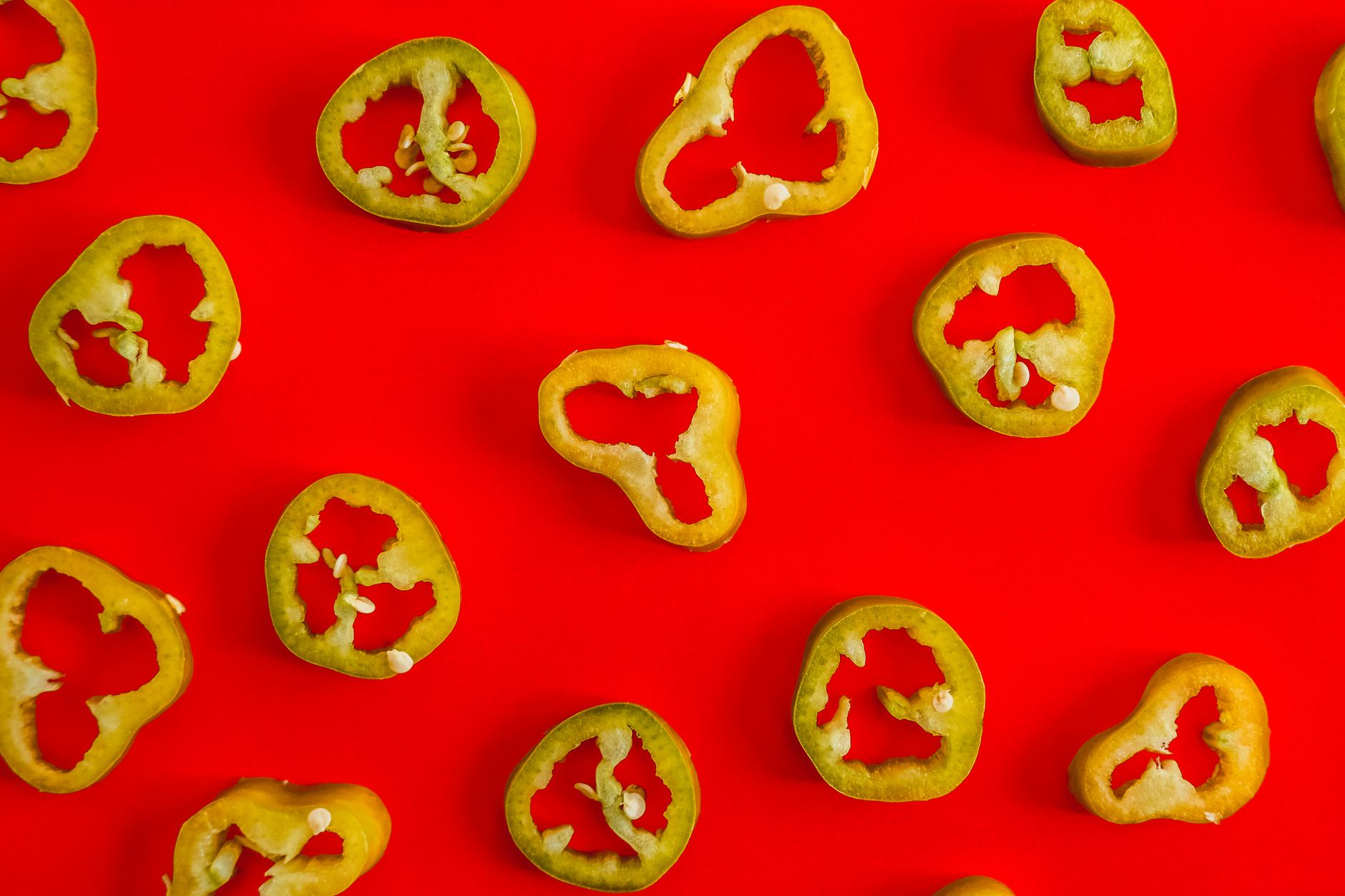
The jalapeño is a beloved chili pepper known for its distinct flavor and moderate heat, making it a popular choice in cuisines around the world. To understand its spiciness, the Scoville Scale offers a way to quantify heat, and in this article, we will delve into how many Scoville units a jalapeño has.
This comprehensive guide will cover the Scoville Scale, the heat level of jalapeños compared to other peppers, how to select and handle them, and various culinary uses of this versatile pepper. Whether you’re a seasoned chef or a casual cook, knowing about jalapeños can elevate your cooking experience.
How Many Scoville Units Is a Jalapeño?
A jalapeño typically ranges from 2,500 to 8,000 Scoville Heat Units (SHU). This variation depends on factors such as growing conditions, ripeness, and specific pepper cultivars. Generally, the average jalapeño falls close to the mid-range of this scale, offering a flavorful kick without overwhelming heat.
Understanding the Scoville Scale
The Scoville Scale measures the heat of peppers based on the concentration of capsaicin, the compound responsible for the spicy sensation. Invented by Wilbur Scoville in 1912, the original method involved diluting a pepper extract in sugar water until the heat was barely detectable, with higher dilutions indicating hotter peppers.
Today, more precise methods like high-performance liquid chromatography (HPLC) can quantify capsaicin levels, but the Scoville units remain a popular way to convey a pepper’s heat level to consumers.
Scoville Units in Other Peppers
To understand jalapeños better, it’s helpful to compare their heat to other common peppers:
| Pepper | Scoville Heat Units (SHU) |
|---|---|
| Bell Pepper | 0 |
| Poblano | 1,000 – 2,000 |
| Jalapeño | 2,500 – 8,000 |
| Serrano | 3,500 – 5,000 |
| Cayenne Pepper | 30,000 – 50,000 |
| Habanero | 100,000 – 350,000 |
This comparison shows that while jalapeños are certainly spicy, they are milder than many popular varieties like habaneros and cayenne peppers, making them approachable for many people.
Selecting Jalapeños
When purchasing jalapeños, freshness is key for the best flavor and heat. Here are some tips for selecting the perfect jalapeños:
- Color: Look for a vibrant green color. Older peppers may turn red, indicating they are ripe but may also be sweeter and less spicy.
- Texture: Choose jalapeños that are firm to the touch with smooth skin and minimal blemishes.
- Size: Smaller peppers are often hotter than larger ones, so consider picking medium-sized jalapeños for a balanced heat level.
Handling Jalapeños
Capsaicin can irritate the skin and eyes, so always take precautions when handling jalapeños:
- Wear gloves: Protect your hands from capsaicin oils, which can linger even after washing.
- Avoid touching your face: Be careful not to touch your eyes or face while handling peppers.
- Wash your hands thoroughly: After handling jalapeños, wash your hands with soap and water to remove any residual heat.
Preparing Jalapeños for Cooking
There are several ways to prepare jalapeños for various dishes:
Raw
When eaten raw, jalapeños retain their crisp texture and heat. Dice them into salads, salsas, or as toppings for tacos. Remove seeds and membranes to lower the heat if desired.
Roasted
Roasting jalapeños brings out their natural sweetness while tempering some of their heat:
- Preheat your oven to 400°F (200°C).
- Place clean jalapeños on a baking sheet.
- Roast for 15-20 minutes, turning occasionally, until the skin is blistered and charred.
- Let cool, peel off the skin, and use in recipes.
Pickled
Pickling jalapeños is a great way to preserve their flavor and add tangy heat. A simple pickling recipe involves:
- Combine equal parts vinegar and water in a pot and bring to a boil.
- Add sugar and salt to taste, and allow it to dissolve.
- Pour the pickling liquid over sliced jalapeños in a jar and let cool before sealing.
Culinary Uses of Jalapeños
Jalapeños are incredibly versatile in the kitchen. Here are some common culinary applications:
Salsas and Dips
Add chopped jalapeños to fresh salsa for a sharp bite. They pair well with ingredients like tomatoes, onions, and cilantro.
Soups and Stews
Incorporate jalapeños into soups like tortilla soup or chili for a warmth that permeates the dish.
Grilling and Stuffing
Jalapeños are excellent for stuffing, especially with cheese or meat mixtures before grilling or baking.
Condiments
Make homemade sauces like jalapeño hot sauce or flavor-packed chimichurri for grilled meats, bringing a spicy kick to your dishes.
Common Mistakes with Jalapeños
To make the most of jalapeños, avoid these common pitfalls:
Ignoring Heat Variability
Not all jalapeños are created equal; some can be significantly hotter than others. Always taste a small piece before adding them to a dish to gauge their heat level.
Overcooking
Overcooking jalapeños can result in a mushy texture and a loss of bright flavor. For grilling or roasting, keep a close eye on them to maintain crispness.
Not Balancing Flavors
Jalapeños can be quite spicy, so ensure you balance the heat with other flavors in your dish using acidic components like lime juice or vinegar, or sweet elements such as honey or sugar.
Substitutions for Jalapeños
If you need to replace jalapeños in a recipe, consider the following substitutes:
- Poblano Peppers: Milder than jalapeños, great for roasting or stuffing.
- Serrano Peppers: Slightly hotter than jalapeños, excellent for salsas.
- Green Bell Peppers: Mild and sweet, if you want a pepper flavor without the heat.
- Fresno Peppers: Similar heat level; they are fruitier and a bit sweeter.
When substituting, be mindful of the heat levels. Adjust quantities based on each pepper’s spiciness.
Storage and Shelf Life of Jalapeños
To optimize freshness, proper storage of jalapeños is crucial:
- Refrigeration: Store whole jalapeños in a paper bag in the refrigerator. Avoid plastic bags, as moisture can promote spoilage.
- Freezing: For long-term storage, you can freeze jalapeños. Wash and slice them, then place them in airtight bags. They can last up to six months.
Final Thoughts
Jalapeños provide a delightful balance of flavor and heat that enhances a wide variety of dishes. Understanding their Scoville units helps to appreciate their place in the culinary world and navigate their use in your kitchen effectively. Don’t hesitate to explore new ways of incorporating jalapeños into your meals, whether you decide to enjoy them fresh, roasted, or pickled.
If you’re looking to further elevate your cooking, explore our delicious chimichurri recipe or try making a sweet and spicy mango habanero sauce to complement your favorite dishes.