
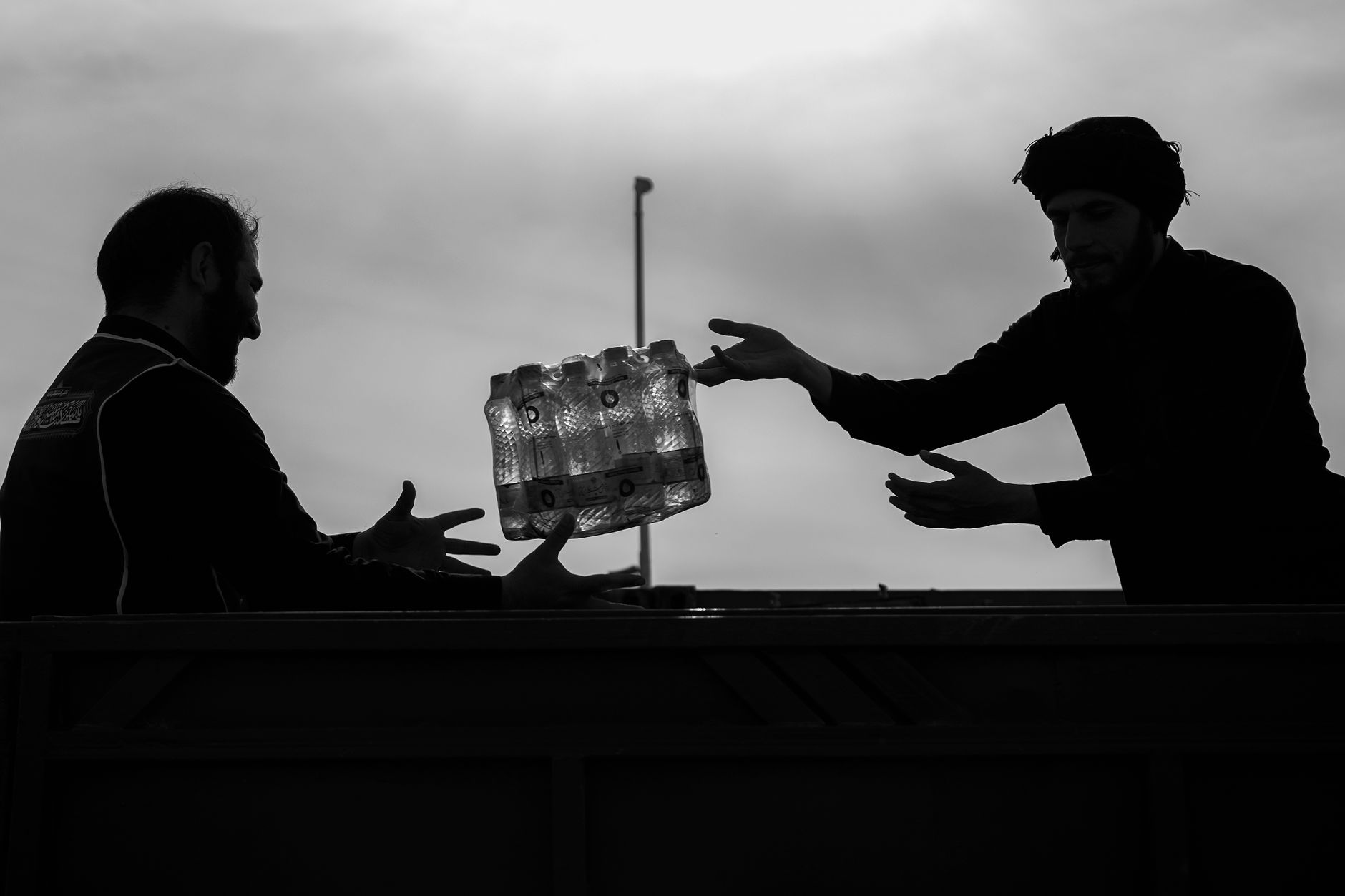
When it comes to hydration, water is the go-to drink for many, and bottled water is convenient for on-the-go lifestyles. If you’re planning an event, going on a trip, or simply stocking up your home, you might wonder: how many pounds is a case of water? Knowing the weight can help you make more informed decisions about purchasing, transport, and storage.
In this article, we’ll explore various factors that influence the weight of a case of bottled water. This includes common packaging sizes, conversions, and tips on managing water storage. Understanding these details will ensure you’re prepared whether you’re quenching your thirst or planning a gathering.
How Many Pounds Is a Case of Water?
A standard case of bottled water typically weighs around 20 pounds. This typically includes 24 bottles, each containing 16.9 ounces (500 milliliters) of water. However, variations in bottle size and case composition can affect the total weight. Thus, it’s essential to understand the specifics of your bottled water purchase.
Understanding the Common Sizes of Water Bottles
Bottled water comes in various formats, with the most common sizes being:
- 16.9 ounces (500 ml)
- 1 liter (33.8 ounces)
- 1.5 liters (50.7 ounces)
- 5 gallons (for larger containers)
Each size will have different weights and considerations when figuring out how many pounds is a case of water.
Weight of Standard Bottled Water Sizes
| Bottle Size | Weight of One Bottle | Weight of a Case |
|---|---|---|
| 16.9 ounces (500 ml) | 1.06 lbs | Approx. 20 lbs (24 bottles) |
| 1 liter (33.8 ounces) | 2.2 lbs | Approx. 44 lbs (20 bottles) |
| 1.5 liters (50.7 ounces) | 3.3 lbs | Approx. 66 lbs (20 bottles) |
| 5 gallons (for larger containers) | 41.7 lbs | Single unit |
Factors Influencing the Weight of Water Cases
Several factors can influence the overall weight of a case of water:
1. Bottle Material
Bottled water is typically offered in plastic or glass containers. The material can add or reduce a little weight. Plastic is lighter than glass, so glass bottles will weigh more when packed in cases.
2. Bottle Volume
The volume of water each bottle contains directly affects the overall weight of a case. Bottles that hold more water will naturally lead to a heavier weight for the case as a whole.
3. Case Configuration
Most commercial cases feature either 12, 24, or even 36 bottles. The configuration will affect how much you lift and move around when you restock your supplies.
How to Choose the Right Water Case for Your Needs
When purchasing bottled water, consider the following:
1. Frequency of Use
If you drink water frequently throughout the day, opt for cases with smaller bottles (like the 16.9-ounce bottles). They provide portion control and are easy to carry.
2. Events and Gatherings
For events, consider larger bulk purchases, such as cases of 1.5-liter bottles. They are ideal for sharing and reduce the number of empty bottles to manage afterward.
3. Home Storage
Makes sure you have sufficient storage space before buying multiple cases. Heavier cases can be cumbersome to manage, so consider smaller sizes if you’re storing them in tight spaces.
Practical Tips for Storing Bottled Water
Proper storage ensures your bottled water stays clean and ready to consume. Here are some tips:
- Store bottled water in a cool, dry place away from direct sunlight to maintain quality.
- Make sure their caps are secured tightly to prevent contamination.
- Don’t stack heavy items on top of water cases, as pressure can lead to leaks or damage.
- Check for expiry dates occasionally, although unopened bottled water can last for years if stored properly.
Quick Conversion Reference
Here’s a quick reference guide for converting water measurements:
| Measurement | Equivalent in Pounds |
|---|---|
| 1 gallon | 8.34 lbs |
| 1 quart | 2.09 lbs |
| 1 liter | 2.2 lbs |
| 1 ounce | 0.0625 lbs |
Health Considerations When Choosing Bottled Water
While bottled water is convenient, it’s good practice to consider health and safety:
Make sure to check that the bottled water is sourced from a reputable supplier and ensure it meets health safety standards. Furthermore, if you’re utilizing bottled water for culinary purposes, opt for brands that offer high purity and mineral content.
Environmental Impact of Bottled Water
The bottled water industry contributes significantly to plastic waste. To mitigate impact, consider the following alternatives:
- Invest in a good water filtration system for home use.
- Use refillable, reusable water bottles.
- Advocate for recycling by referring to local programs dedicated to plastic waste management.
Buying in Bulk Versus Individual Bottles
When you have a better understanding of how many pounds is a case of water, you can make better choices about whether to buy in bulk or individual bottles.
Buying in bulk generally reduces cost per unit but requires more upfront investment. Conversely, purchasing individual bottles is more practical for occasional use but can be more expensive in the long run. Evaluate your water consumption habits and plan accordingly.
Common Mistakes When Handling Bottled Water
There are some common pitfalls related to bottled water handling:
- Storing in high-temperature areas can affect taste and quality.
- Ignoring expiration dates may lead to consuming less-than-ideal water.
- Overloading storage spaces can result in injury during transport.
Final Thoughts
A case of water can weigh around 20 pounds for standard bottled sizes. Understanding how many pounds is a case of water is critical for storage, transport, and purchasing decisions. With proper care and handling, bottled water can provide a convenient hydration source without compromising on quality.
Next time you stock up on bottled water, use the tips and information shared here to make informed choices tailored to your needs.
Explore related articles for more insights on hydration: learn about the best bottled water to drink, or discover how many cups of water are needed for cooking rice effectively.