
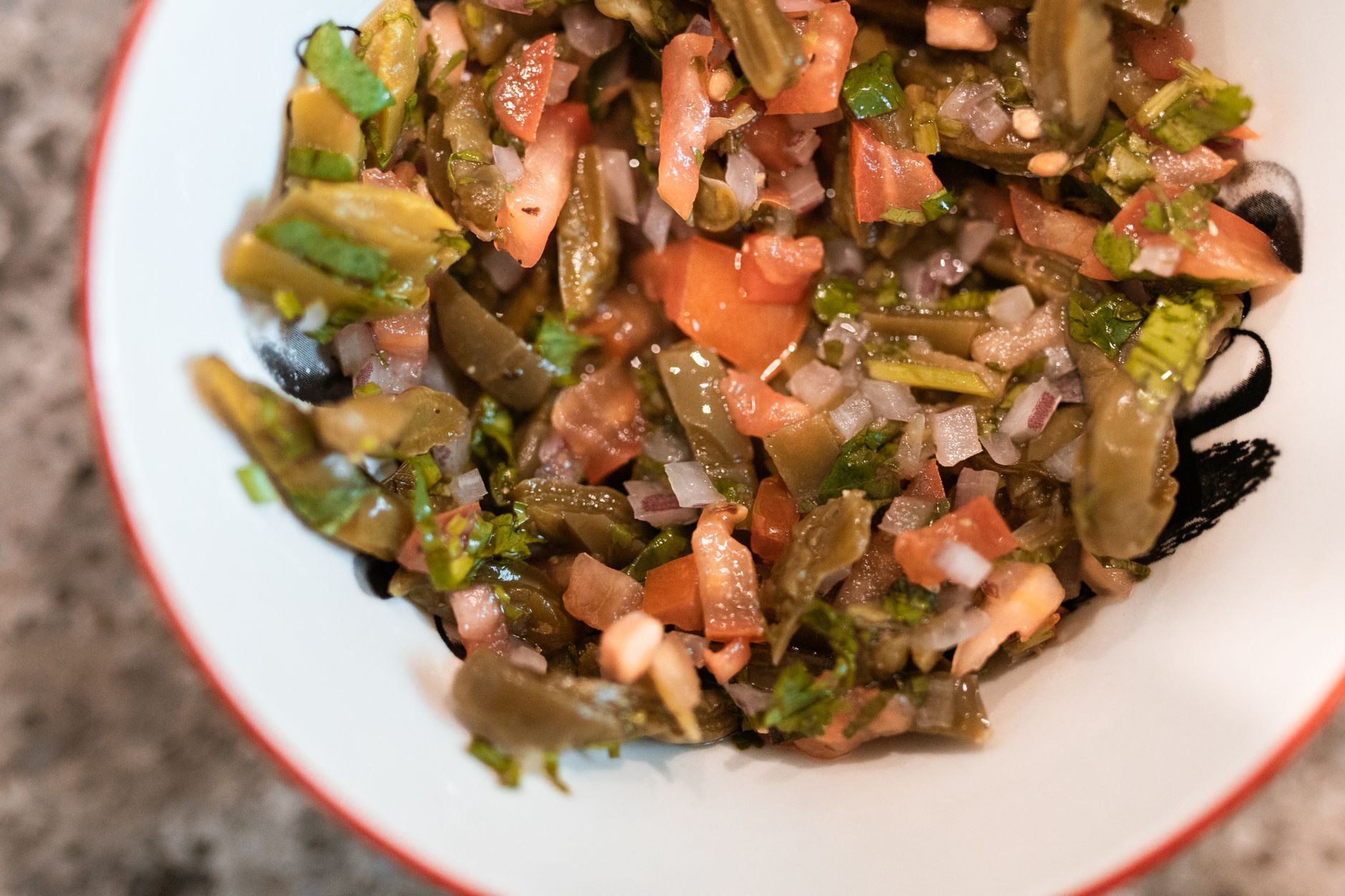
Nopales, the fleshy pads of the prickly pear cactus (Opuntia), are an integral part of Mexican cuisine. They can be enjoyed in various dishes, from tacos to salads. But one common question arises for those new to this ingredient: can you eat nopales raw? In this article, we will explore the feasibility and safety of consuming raw nopales, alongside preparation tips, flavor pairings, and serving suggestions.
While nopales can be eaten raw, they are often more palatable when cooked due to their tough texture and somewhat tart flavor. If you’re interested in incorporating raw nopales into your meals, we’ll discuss how to prepare them safely and deliciously, and how they can enhance your dishes.
Can You Eat Nopales Raw?
Yes, you can eat nopales raw. However, proper cleaning and preparation are essential to make them safe and enjoyable. Raw nopales have a slightly slimy texture, which can be off-putting for some. Nevertheless, when prepared well, they can add a refreshing crunch to salads and salsas.
Understanding Nopales
Nopales are more than just a culinary novelty; they are packed with nutrients and offer numerous health benefits. Rich in vitamins A, C, and K, along with minerals like calcium and magnesium, nopales are low in calories and high in dietary fiber. This makes them an excellent addition to any balanced diet.
Selection and Storage
When selecting nopales, look for fresh pads that are bright green with no signs of browning or wilting. Smaller pads tend to be more tender and flavorful. If you cannot cook with them immediately, store nopales in a paper bag in the refrigerator, where they can last up to a week.
Preparing Nopales for Raw Consumption
Preparing nopales for raw consumption requires a few essential steps to ensure they are safe and tasty. The process involves cleaning them, removing spikes, and cutting them into manageable pieces.
Tools and Ingredients
- Fresh nopales
- A sharp knife
- Cutting board
- Vegetable peeler or knife for skinning
- Soapy water for washing
- A bowl for sliced nopales
Step-by-Step Preparation
- Begin by washing the nopales thoroughly under running water to remove any dirt or debris.
- Using a sharp knife, carefully remove each nopal’s edges where the thorns are located. You can also use a vegetable peeler for this task.
- Once thorns are removed, slice the nopales into strips or cubes, depending on your preference for the dish.
- To reduce the sliminess, you can blanch the cut nopales in boiling water for about one minute, then rinse under cold water. This step is optional but recommended for those who prefer a firmer texture.
- Now they are ready to be used in your favorite raw dishes.
Raw Nopales: Flavor and Texture
Raw nopales have a mildly tangy flavor with a unique earthy quality. Their texture is often compared to that of a bell pepper, though somewhat mucilaginous. When tossed into salads or salsas, they contribute a distinct crunch that pairs well with various other ingredients.
Pairing Flavors with Raw Nopales
Nopales work well with a variety of ingredients that can balance their earthy flavor and enhance their overall appeal. Here are some effective flavor pairings:
- Citrus: Lime juice or orange segments can brighten the taste.
- Fresh herbs: Cilantro and mint add freshness.
- Tomatoes: Juicy tomatoes provide sweetness.
- Onions: Sliced red or green onions can contribute brightness.
- Cheese: Feta or queso fresco brings a creamy element.
Serving Suggestions
Raw nopales can be served in various ways that highlight their unique qualities. Here are some ideas to incorporate them into your meals:
Nopal Salad
Combine diced nopales with chopped tomatoes, onions, cilantro, and avocado. Dress with lime juice, olive oil, salt, and pepper for a refreshing salad.
Nopal Salsa
Mix diced raw nopales with tomatoes, cilantro, onions, jalapeños, and lime juice. This salsa can accompany grilled meats or be served with tortilla chips.
Nopal Tacos
Toss raw nopales with shredded cabbage, diced onions, and a squeeze of lime. Use this mix as a topping for tacos filled with grilled chicken or beef.
Breakfast Bowl
Add raw nopales to a breakfast bowl with scrambled eggs, avocado, and salsa for a hearty meal.
Cooking Nopales: A Delicious Alternative
If raw nopales aren’t to your liking, many cooking methods can enhance their flavor and texture. Cooking not only softens the pads but also reduces the slimy texture.
Cooking Methods
- Grilling: Brush with olive oil and grill for a smoky flavor.
- Sautéing: Sauté with onions and garlic for a flavorful side dish.
- Boiling: Boil for tenderness before using in salads or tacos.
- Roasting: Roast in the oven for a crispy texture.
Common Mistakes When Preparing Nopales
While preparing raw nopales can be straightforward, there are some common pitfalls to avoid:
- Ignoring Thorns: Ensure all thorns and spikes are removed. They can be quite unpleasant if ingested.
- Overlooking Sliminess: If you find raw nopales too slimy, consider blanching or marinating them to reduce the texture.
- Underseasoning: Given their mild flavor, nopales benefit from adequate seasoning, so use salt, acidic dressings, or marinades to enhance their taste.
Health Benefits of Nopales
In addition to their culinary uses, nopales offer various health benefits:
- Low in calories: Making them an excellent choice for those watching their weight.
- High in fiber: Supporting digestive health.
- Promoting hydration: Nopales have high water content, which is beneficial in hot climates.
- Rich in antioxidants: Helping to combat oxidative stress in the body.
Potential Drawbacks
While nopales are nutritious, consider the following points:
- Allergies: Some individuals may have allergies to cactus plants.
- Bitter taste: Older or larger nopales may have a stronger, more bitter flavor that can be off-putting.
- Gas: Consuming large amounts can lead to digestive issues for some people.
Conclusion
Incorporating raw nopales into your diet can be a delightful way to enjoy this versatile vegetable. With proper preparation and the right pairing of flavors, they can contribute to refreshing salads and salsas or accompany various dishes. Experimenting with both raw and cooked varieties will help you discover the best way to include nopales in your meals.
Now that you know how to prepare and serve raw nopales, consider experimenting with other recipes or exploring ingredients that can complement your culinary creations. For further insights on cooking techniques and ingredient guides, feel free to browse additional recipes and food guides.