
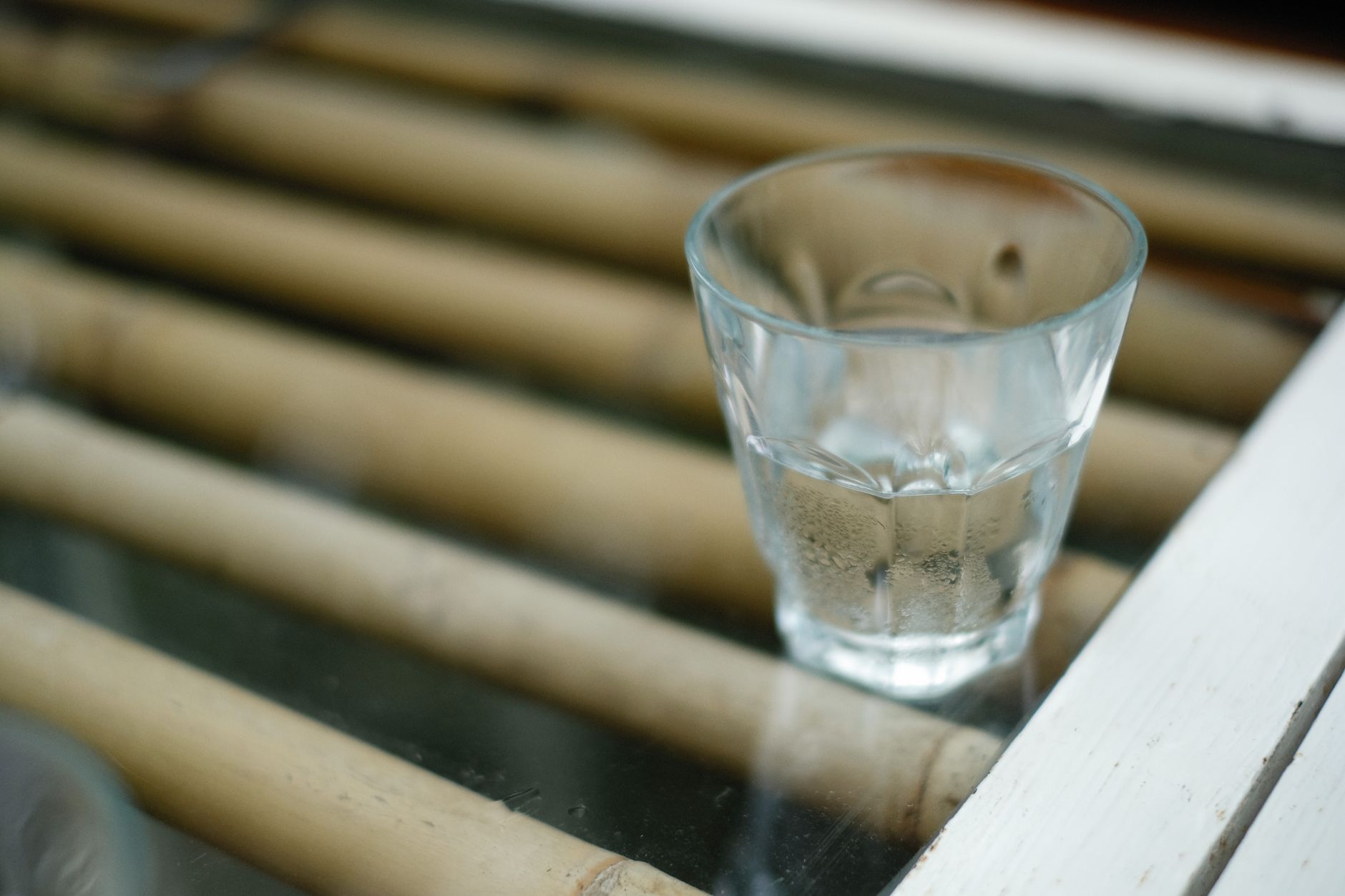
Water is a fundamental ingredient in cooking, baking, and meal preparation, with its quantity often being a source of confusion. A common question is, “How many ounces are in a glass of water?” Understanding this can help ensure accurate measurements for recipes and hydration needs.
This article will explore the various measurements of water in a glass, explain how to convert them to ounces, and discuss the importance of hydration in our diets. With clear guidance on serving sizes and practical tips, you’ll ensure you’re using the right amount of water each time.
How Many Ounces in a Glass of Water?
A standard glass of water typically holds 8 fluid ounces. This is the measurement commonly used in recipes for hydration and cooking purposes. However, the actual amount can vary based on the size of the glass being used and the purpose for which the water is intended.
Understanding Measurements in Cooking
In cooking, accuracy can make a difference in texture, flavor, and overall success. Therefore, familiarizing yourself with common measurements of liquids and dry ingredients is essential. Here’s an overview of how fluid ounces fit into the broader measurement system:
- 1 cup = 8 fluid ounces
- 1 pint = 16 fluid ounces
- 1 quart = 32 fluid ounces
- 1 gallon = 128 fluid ounces
For practical purposes, when a recipe calls for a “glass of water,” it’s safe to interpret that as 8 fluid ounces, allowing for consistency in hydration or recipe preparation.
Common Glass Sizes and Their Volumes
The volume of glasses can vary significantly. Here are some common glass types and their typical capacities:
- Standard drinking glass: 8 ounces
- Highball glass: 10-12 ounces
- Large tumbler: 16 ounces
- Wine glass: 5-6 ounces (for wine, but can vary)
- Shot glass: 1.5 ounces
When measuring water for a recipe, it’s important to note the glass size you are using. If you’re utilizing a larger glass, such as a tumbler, you’ll need to adjust the quantity of water accordingly.
Converting Glass Measurements to Ounces
If you find yourself needing to convert glasses to ounces, here are the basic conversions:
- 1 glass (8 ounces) = 8 fluid ounces
- 1 glass (10 ounces) = 10 fluid ounces
- 1 glass (12 ounces) = 12 fluid ounces
- 1 glass (16 ounces) = 16 fluid ounces
With these conversions in mind, you can easily scale recipes and ensure you maintain proper hydration levels.
The Importance of Staying Hydrated
Hydration plays a critical role in overall health. Water assists in digestion, nutrient absorption, and temperature regulation. The general recommendation is to drink about 64 ounces of water per day; however, individual needs vary based on factors like age, activity level, and climate.
Staying adequately hydrated can improve energy levels, cognitive function, and skin health. When preparing meals, remember to account for not just the amount needed for the recipe but also for daily hydration.
Signs of Dehydration
Being aware of the signs of dehydration is important. Here are some common symptoms:
- Thirst
- Drier skin
- Fatigue
- Dizziness
- Dark urine
If you’re experiencing any of these symptoms, it’s essential to increase your water intake. Offering yourself a glass of water is a simple yet effective way to boost hydration.
How to Measure Water Accurately
When measuring water for cooking or baking, accuracy is key. Here are some tips for ensuring you’re using the right amount:
- Use liquid measuring cups: These have measurement marks on the side to ensure accuracy.
- Pour water into the measuring cup and check at eye level to avoid inaccuracies caused by parallax.
- For smaller amounts, use tablespoons or teaspoons—1 tablespoon equals 0.5 ounces, and 1 teaspoon equals 0.1667 ounces.
By employing these techniques, you can confidently measure the necessary amount of water for your recipes.
Water in Recipes
Water often plays a pivotal role in both beverage and food recipes. Here are some common applications:
1. Soups and Stews
Water is a critical ingredient in soups and stews, forming the base of the broth. To make a basic vegetable soup, you would typically start with 8 cups (or 64 ounces) of water, ensuring a hearty consistency.
2. Cooking Grains
When cooking grains such as rice or quinoa, the water-to-grain ratio is essential. For example, to cook 1 cup of rice, you generally use 2 cups of water, equating to 16 ounces.
3. Baking
In baking, water activates gluten in flour, crucial for the desired texture in bread. Recipes can vary widely in water measurement; for instance, a bread recipe might call for 1.5 cups of water, or 12 ounces, to create the right dough.
Practical Substitutions for Water
Sometimes, you may need to substitute water in recipes. Here are some options:
- Broth or Stock: Use an equal amount (8 ounces) to add flavor.
- Milk: Substitute for water in baking for extra richness.
- Vegetable or Fruit Juices: Use juices to enhance flavor, though this may alter the recipe’s sweetness and acidity.
These substitutions can enhance the flavor profile of dishes, but be aware of how they may affect the overall outcome.
Common Mistakes to Avoid When Measuring Water
Even simple measurements can result in mistakes that may affect your recipe. Here are some common errors to watch for:
- Forgetting to level off dry measuring cups, which can lead to too much or too little water.
- Using a glass that is not standard size for recipes, leading to inaccuracies.
- Poor visual judgment when reading measurements, particularly with non-transparent containers.
By being mindful of these pitfalls, you’ll increase your chances of cooking success significantly.
How to Store and Reheat Water
Storing water is generally straightforward, but it’s essential to use clean, safe containers. Here are some quick tips:
- Storage: Keep water in a clean glass or BPA-free plastic container with a secure lid.
- Reheating: It’s best to reheat water on the stove or in the microwave. Avoid boiling if not necessary, especially in closed containers.
Make sure to avoid storing water in areas exposed to direct sunlight or heat, as this can affect its quality.
Conclusion
Understanding the measurement of water in a glass, typically 8 fluid ounces, is essential for successful cooking, baking, and maintaining proper hydration. With this knowledge, you can confidently approach recipes, ensure you’re consuming enough water daily, and improve the overall quality of your meals.
For more helpful guides, consider exploring how to measure water for rice and trying a refreshing water pie recipe.
Related resources: How Many Cups of Water for 1 Cup of Rice?, Water Pie Recipe.