
When cooking or baking, accurate measurement is crucial. You may often come across the metric system, especially in recipes from different countries or specific international dishes. One of the more common conversions needed in the kitchen is the volume conversion from milliliters (ml) to ounces (oz).
Understanding how many ounces are in 750 ml can help ensure that your recipes turn out as intended. This article will detail the conversion process, offer practical applications for your cooking, and provide helpful tips to facilitate your measuring tasks in the kitchen.
How Many Ounces Are In 750 Ml?
750 ml is equivalent to approximately 25.36 ounces. This is helpful for converting liquid measurements in recipes, ensuring accuracy when mixing ingredients or when measuring beverages.
Understanding the Conversion
To know how many ounces there are in 750 ml, you must first understand the basic conversion factor between milliliters and ounces. One fluid ounce is approximately 29.57 ml. The formula to convert ml to ounces is:
Ounces = Milliliters / 29.57
Using this formula to convert 750 ml:
750 ml ÷ 29.57 ≈ 25.36 ounces
Practical Applications of Ounce to Milliliter Conversions
This conversion is especially valuable in various cooking and baking scenarios:
- International Recipes: Many recipes, particularly those from Europe and Asia, use the metric system, so understanding how to convert measurements can be crucial for preparation.
- Cocktails and Beverages: Bartenders and drink enthusiasts often work with milliliters. If you’re mixing a cocktail that calls for 750 ml of a particular spirit, knowing it’s approximately 25.36 ounces helps maintain consistency.
- Food Packaging: Some food items such as sauces, oils, and beverages come in metric measurements. This knowledge aids in matching the quantities needed in recipes.
Common Measurement Tools
Using the correct tools is essential for accuracy. Here are some commonly used measurement tools for both ml and ounces:
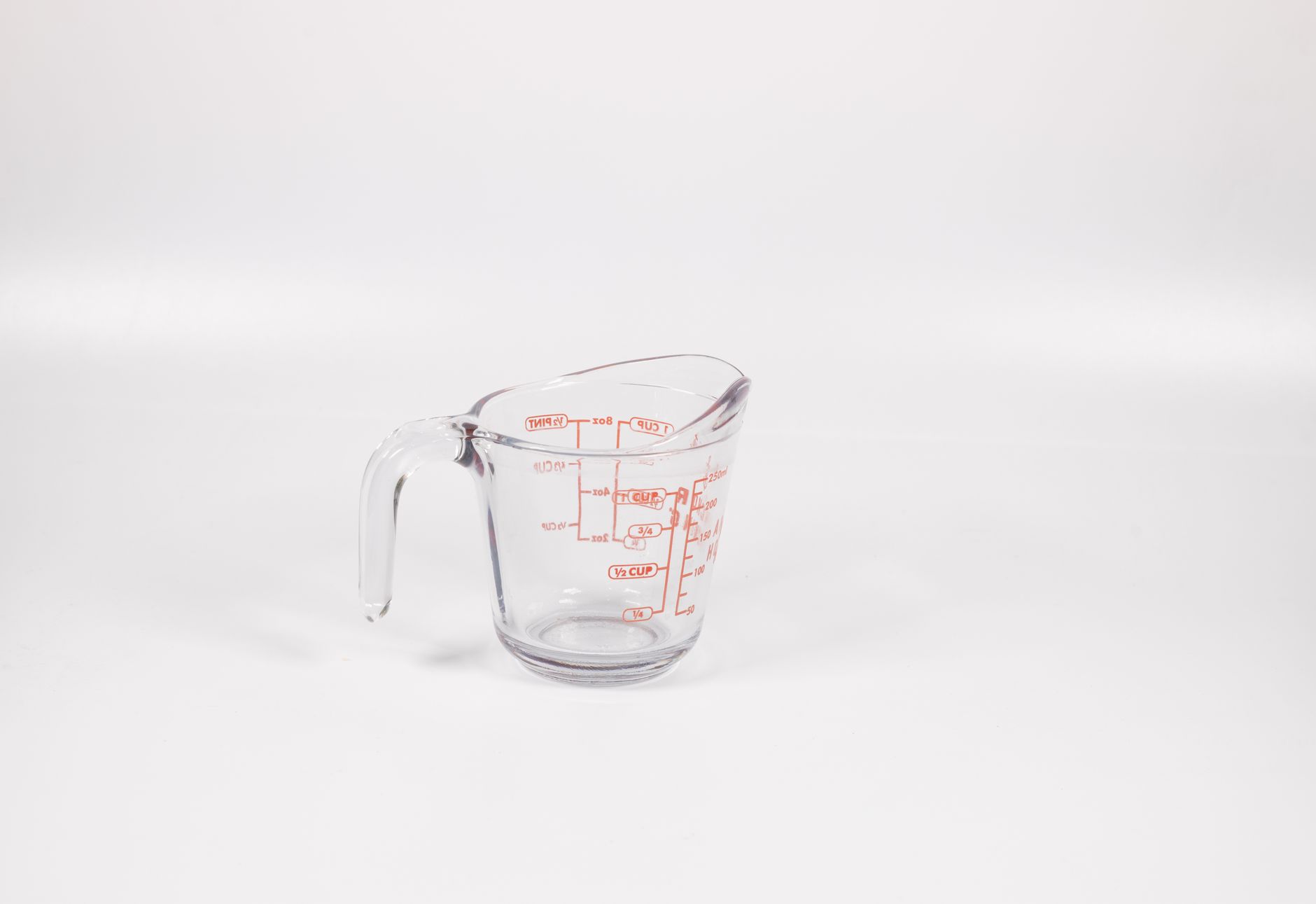
- Liquid Measuring Cups: These cups often have measurements marked in both milliliters and ounces. They are perfect for measuring water, broth, or any liquid ingredient.
- Dry Ingredient Measuring Cups: Some sets include a cup marked with both milliliters and ounces.
- Kitchen Scale: A kitchen scale that allows measurement in both metric and imperial units can provide accuracy and ease when measuring ingredients by weight.
- Measuring Spoons: These typically measure in ounces but can also have the ml equivalents marked on them.
Conversions for Other Popular Measurements
Knowing how to convert other metric measurements can also be useful. Here are some common conversions associated with fluid ounces and milliliters:
- 1 ounce = 29.57 ml
- 1 cup = 8 ounces = 236.59 ml
- 1 quart = 32 ounces = 946.35 ml
- 1 liter = 33.81 ounces
Baking and Cooking Tips to Ensure Accurate Measurements
Accuracy is particularly vital in baking. Here are several best practices to follow:
- Use the Right Tools: Make sure you have liquid measuring cups for liquids and dry measuring cups for solids.
- Level Off Dry Ingredients: When measuring dry ingredients, use a straight edge to level off flour or sugar for an accurate measurement.
- Check for Calibration: Ensure that measuring cups and spoons are calibrated correctly for precision.
- Liquid Measurements: When measuring liquids, read the measurement at eye level to obtain the most accurate read.
Conversions for Specific Ingredients
Some ingredients may require different considerations when converting volumes. Below are examples of common ingredients to be aware of:
Liquids
For most liquids, the conversion from ml to ounces works consistently, given that density does not change. This includes:
- Water: 750 ml of water is equal to 25.36 ounces.
- Broths and Stocks: These also conform to the same conversion.
Dry Ingredients
When it comes to dry ingredients, volume conversion is influenced by density:
- Flour: 1 cup of all-purpose flour weighs approximately 120 grams, which equates to roughly 4.25 ounces. Thus, for a recipe requiring 750 ml of a liquid, you may need to adjust the amount of flour accordingly for baking.
- Sugar: Granulated sugar is usually denser, weighing around 7 ounces per cup. As a result, converting accurately is crucial.
Common Cooking Mistakes to Avoid
When converting measurements or using different systems, certain pitfalls might lead to unsatisfactory outcomes. Here are some common mistakes to avoid:
- Assuming All Liquids Have the Same Density: Different liquids have different densities, which can lead to inaccurate conversions.
- Not Leveling Ingredients: Ensure dry ingredients are leveled off for precise measurements.
- Estimating Measurements: Always use measuring tools instead of estimating with regular cups or glasses.
Working with Large Quantities
If your recipe calls for larger quantities—for example, if you are preparing for a gathering—you may need to convert larger units:
- 1.5 liters: This equates to approximately 50.72 ounces, which is ideal for larger batch recipes like soups or stews.
- 2 liters: Converting yields 67.63 ounces, suitable for punch or drinks.
Practical Example: Conversion in a Recipe
To illustrate how this conversion might be applied, let’s consider a basic salad dressing recipe that uses both volume measurements:
Simple Salad Dressing Recipe
This dressing uses a variety of ingredients measured in milliliters.
- Ingredients:
- 500 ml olive oil (approximately 16.91 ounces)
- 250 ml balsamic vinegar (approximately 8.45 ounces)
- 2 cloves garlic, minced
- 1 tablespoon Dijon mustard
- Salt and pepper to taste
Instructions:
- In a mixing bowl, combine the olive oil and balsamic vinegar.
- Add the minced garlic and Dijon mustard, whisking together until well blended.
- Season with salt and pepper to taste.
- Transfer to a jar for storage. Shake well before serving.
This example demonstrates how to effectively apply the conversion from ml to ounces throughout the preparation of your ingredients.
Final Thoughts on Measurement Conversions
Having a good grasp of the measurement system, particularly how to convert 750 ml to ounces, is essential in cooking and baking. By using the right tools and ensuring accuracy during your cooking preparations, you enhance the chances of achieving the results you desire.
Next time you find yourself faced with a recipe from abroad or need to mix up a large batch for a gathering, knowing how to navigate conversions will make your time in the kitchen more enjoyable and successful.
For further exploration, consider checking out related cooking tips or ingredient guides that can help enhance your culinary skills and knowledge.