
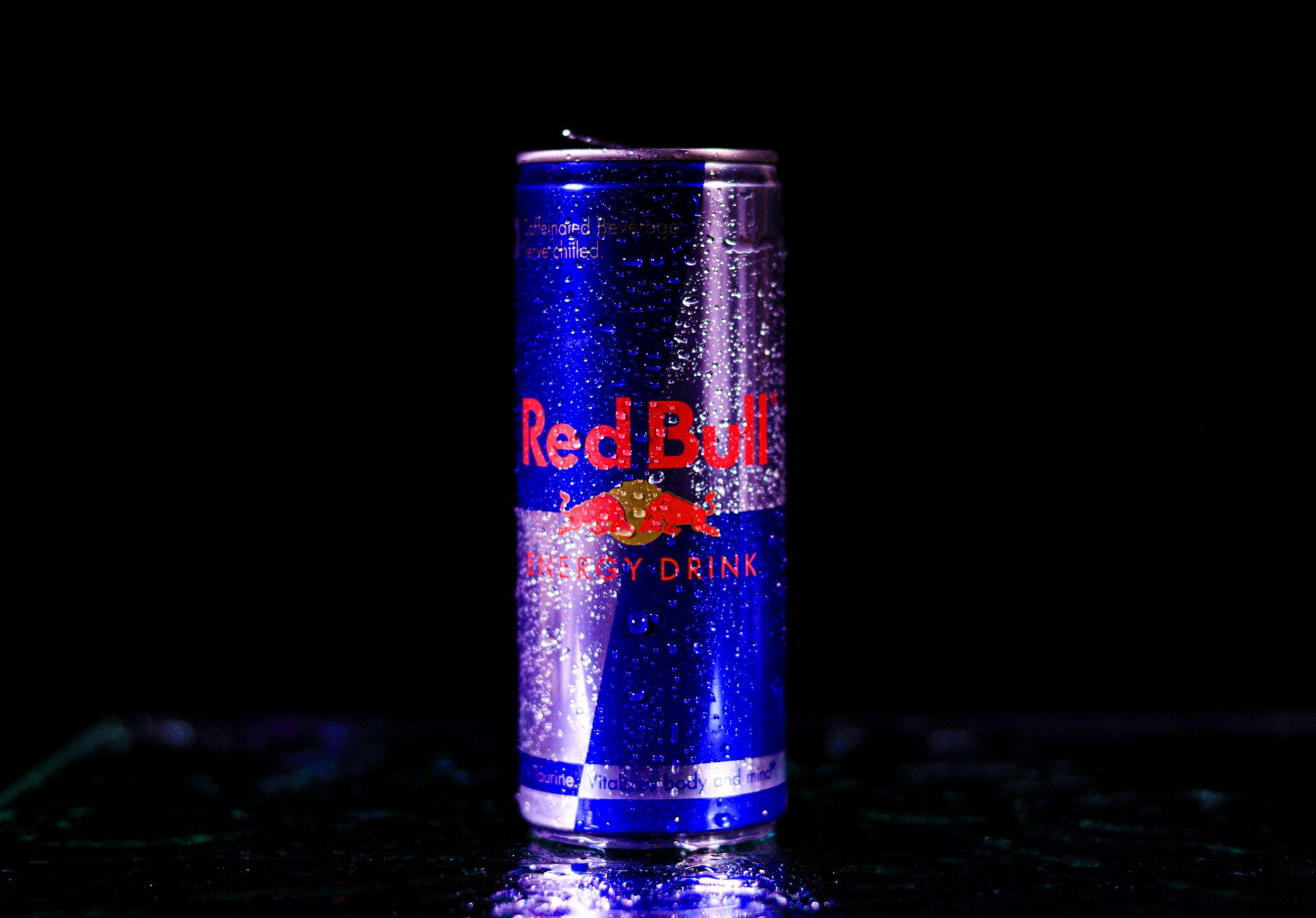
Caffeine is a well-known stimulant found in various beverages, and many people turn to energy drinks like Red Bull for a quick boost. In this article, we’ll dive into the specifics of caffeine content in Red Bull, its effects, and how it compares to other popular caffeine sources.
Understanding the amount of caffeine in these drinks can help you make informed choices about your consumption. We will also explore what makes Red Bull unique, its ingredients, and provide some practical insights into how to enjoy these beverages responsibly.
How Many Mgs of Caffeine in a Red Bull?
A standard 8.4-ounce (250 ml) can of Red Bull contains approximately 80 milligrams of caffeine. This amount is similar to that found in a cup of coffee, making it a popular choice for those looking for a quick energy boost without consuming a large volume of liquid.
For those looking at different sizes, the larger 12-ounce (355 ml) cans of Red Bull possess about 120 milligrams of caffeine, highlighting how easily caffeine intake can escalate depending on your drink choice.
Understanding Caffeine
Caffeine is a central nervous system stimulant that can enhance alertness and reduce fatigue. While it can offer some benefits, it is essential to consume it wisely, especially in high doses.
Excessive caffeine intake can lead to side effects like anxiety, restlessness, and problems sleeping. Thus, knowing how much caffeine is in your drinks is crucial to balance energy and wellbeing.
The Role of Caffeine in Energy Drinks
Energy drinks like Red Bull are formulated not just to provide caffeine but also often contain other ingredients such as taurine, B vitamins, and sugar. These ingredients are designed to work in concert to provide an enhanced energy experience.
If you’re considering how Red Bull fits into your lifestyle or diet, it’s essential to be aware of its cumulative caffeine and sugar content, especially when consuming multiple energy drinks or pairing them with caffeinated foods.
Comparing Red Bull to Other Caffeine Sources
Understanding how the caffeine in Red Bull compares to other common sources can help you make informed choices. Here’s a comparison table that showcases the caffeine content in various drinks:
| Drink | Caffeine Content (mg) |
|---|---|
| 8 oz Coffee | 80-100 |
| 8 oz Tea | 30-60 |
| 12 oz Cola | 30-40 |
| 8.4 oz Red Bull | 80 |
| 16 oz Energy Drink | 160-200 |
What Are the Ingredients in Red Bull?
Red Bull includes several ingredients that contribute not only to its flavor but also to its energizing effects:
- Caffeine: The primary active ingredient responsible for stimulating the nervous system.
- Taurine: An amino acid often included in energy drinks, believed to help with hydration and exercise performance.
- B Vitamins: Various B vitamins help convert food into energy.
- Sugar or Artificial Sweeteners: Added for sweetness and energy. Sugar versions can range from 27g per 8.4 oz can, while sugar-free versions use artificial sweeteners.
How Much Caffeine is Too Much?
For most healthy adults, up to 400 milligrams of caffeine per day is generally considered safe. This equates to about four 8-ounce cups of coffee or five cans of Red Bull. However, individual tolerance varies significantly.
Factors like sensitivity to caffeine, preexisting health conditions, and medication interactions can influence how much caffeine is safe for you. It’s beneficial to consult with a healthcare provider if you have concerns about your caffeine intake.
Common Uses of Red Bull
Many people reach for Red Bull for a variety of reasons:
- Energy Boost: Useful for those in need of quick mental or physical energy.
- Studying or Late-Night Work: Many students and professionals utilize Red Bull to help them stay focused during long study sessions or when working late.
- Sports and Exercise: Athletes may consume Red Bull before or during physical activity for an energy boost.
How to Enjoy Red Bull Responsibly
While Red Bull can be refreshing and energizing, it’s important to enjoy it responsibly. Here are some practical tips:
- Limit Consumption: Aim to stick to one or two cans in a day to avoid excessive intake.
- Stay Hydrated: Balance your energy drink consumption with water to stay hydrated.
- Avoid Mixing with Alcohol: Mixing energy drinks with alcohol can mask the effects of intoxication and lead to overconsumption of both.
- Read Labels: Be wary of sugar content, especially if you opt for regular versions.
Common Mistakes and Troubleshooting
When it comes to consuming energy drinks like Red Bull, avoiding common pitfalls can help you enjoy the experience without adverse effects:
- Overconsumption: Many people underestimate how many energy drinks they consume in a day. Keep a log if needed.
- Ignoring Signs: Pay attention to how your body reacts. If you experience jitters, increased heart rate, or trouble sleeping, it may be time to cut back.
- Inconsistent Diet: Relying solely on energy drinks for energy often indicates underlying nutritional gaps. Ensure you eat a balanced diet with proper hydration.
Storage and Shelf Life of Red Bull
Energy drinks like Red Bull can typically be stored unopened for several months or even years, depending on the expiration date printed on the can. Once opened, it’s best to consume them within a few days for optimal freshness.
Store Red Bull in a cool, dry place, away from direct sunlight to maintain its flavor and quality.
Alternatives to Red Bull
If you’re looking for a change or want to reduce your caffeine intake, several alternatives provide energy without the same level of caffeine:
- Herbal Teas: Offer a milder natural caffeine source, often with added health benefits.
- Green Tea: Contains less caffeine than coffee or Red Bull but also has beneficial antioxidants.
- Matcha: A concentrated form of green tea that offers a more sustained energy boost due to its balanced caffeine and L-theanine levels.
Caffeine Sensitivity and Individual Factors
Caffeine sensitivity can vary significantly among individuals. Factors that can influence your caffeine sensitivity include:
- Genetics: Some people metabolize caffeine faster, while others process it slowly.
- Age: Sensitivity can increase with age as metabolic rates change.
- Medication Interactions: Certain medications can either increase or decrease caffeine metabolism.
Conclusion
Understanding how much caffeine is in Red Bull can empower you to enjoy this popular energy drink responsibly. With 80 milligrams per 8.4-ounce can, it’s essential to be aware of your total caffeine intake throughout the day. Always listen to your body and adjust your consumption based on your personal health and tolerance.
For those looking for alternative sources of caffeine or different strategies to boost energy, exploring herbal teas or moderate coffee might be beneficial. Stay informed about your caffeine habits for a healthier experience.
Explore related recipes, cooking tips, and food guides on our site, including information on caffeine levels in Diet Dr. Pepper and which teas have the most caffeine.