
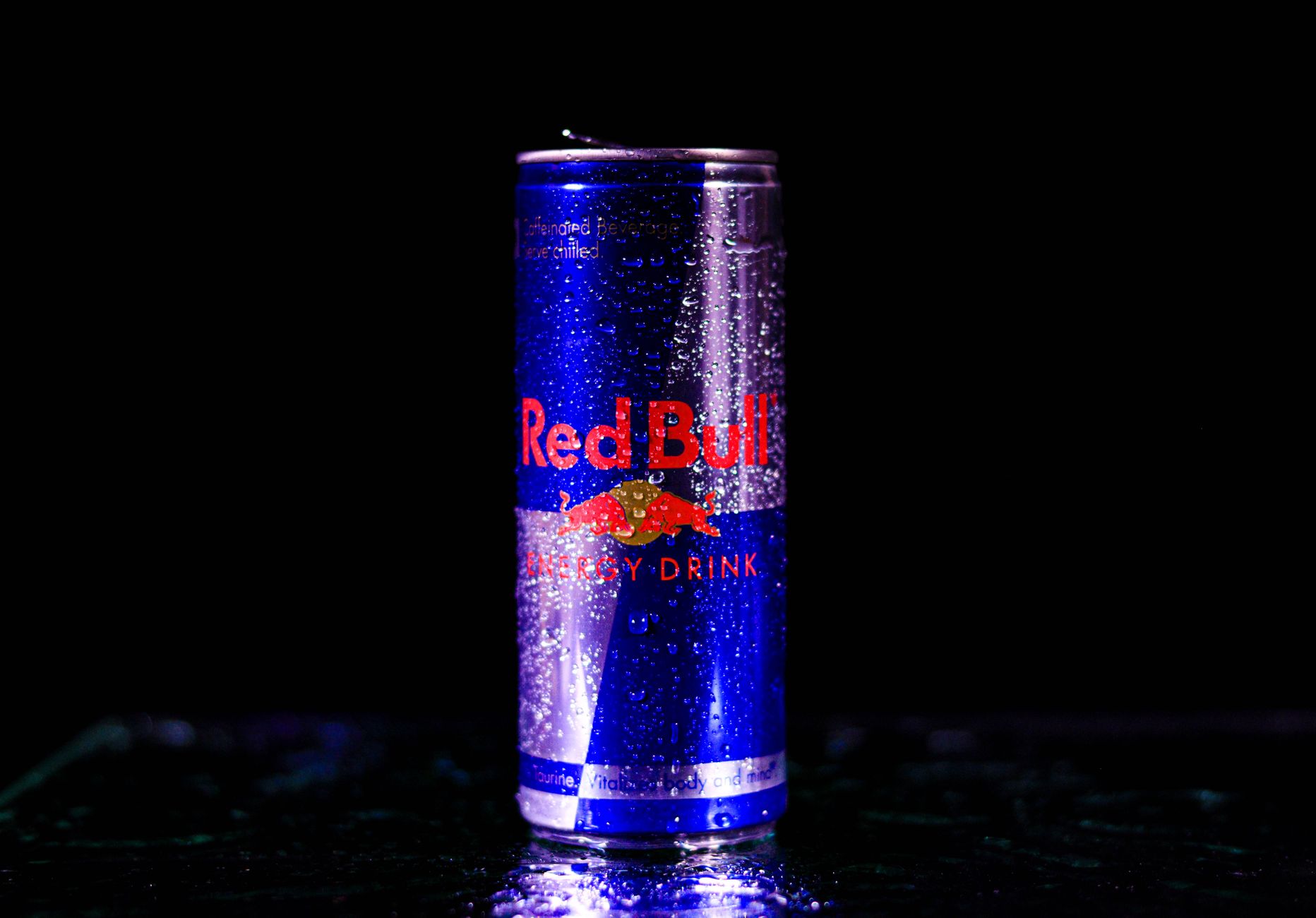
Caffeine has become a staple in the daily routines of millions around the globe, primarily due to its energizing effects. Among the numerous caffeinated beverages available, Red Bull stands out as a popular choice for those seeking an energy boost. But just how much caffeine is actually packed into a can of Red Bull?
Understanding the caffeine content in Red Bull can help you make informed choices. This article will delve into the details, exploring the caffeine content of different Red Bull variants, how it compares to other caffeinated beverages, and clarifying any myths surrounding energy drinks.
How Many Mg of Caffeine Are in a Red Bull?
A standard 8.4-ounce (250 ml) can of Red Bull contains approximately 80 mg of caffeine. This amount is similar to what you would find in a cup of coffee, making it a popular option for those in need of a quick energy boost.
Breakdown of Red Bull’s Caffeine Content
Red Bull offers different versions, each with distinct caffeine levels. Here’s a quick overview:
- Regular Red Bull (8.4 oz): 80 mg of caffeine
- Red Bull Sugarfree (8.4 oz): 80 mg of caffeine
- Red Bull Zero Calories (8.4 oz): 80 mg of caffeine
- Red Bull Energy Drink (12 oz): 114 mg of caffeine
- Red Bull Energy Drink (16 oz): 160 mg of caffeine
Despite the variations in caffeine content, all versions are designed to provide a similar level of energy without impacting flavor significantly. This uniformity in caffeine allows consumers to transition between flavors without drastically changing their caffeine intake.
Comparing Red Bull’s Caffeine Content with Other Beverages
Understanding how Red Bull’s caffeine levels measure up against other popular beverages can provide a clearer picture of its potency:
| Beverage | Caffeine Content (per serving) |
|---|---|
| Regular Coffee (8 oz) | 95 mg |
| Espresso (1 oz) | 63 mg |
| Green Tea (8 oz) | 30-50 mg |
| Black Tea (8 oz) | 40-70 mg |
| Mountain Dew (12 oz) | 54 mg |
As seen in the table, an 8.4 oz can of Red Bull offers a caffeine content that is comparable to coffee, but many coffee drinks often contain more caffeine overall. Those looking to mitigate caffeine consumption may find sugar-free or zero-calorie alternatives a good fit since they deliver energy without added calories.
The Science of Caffeine: How Does It Work?
Caffeine is a natural stimulant that affects the central nervous system. It works by blocking adenosine, a neurotransmitter that promotes sleep, ultimately allowing increased alertness and wakefulness. The effects can vary based on individual tolerances, body weight, and overall health.
Effects of Caffeine on the Body
When consumed, caffeine is absorbed quickly into the bloodstream, leading to various physiological changes:
- Improved focus and alertness
- Increased energy levels
- Enhanced physical performance
- Elevated mood
However, excessive caffeine consumption can lead to side effects such as insomnia, jitteriness, increased heart rate, and digestive issues. It’s essential to monitor and manage caffeine intake based on individual responses.
Considerations When Consuming Red Bull
While an occasional can of Red Bull can provide a quick pick-me-up, it’s crucial to consume it responsibly. Here’s what to consider:
- Daily Limit: The FDA suggests a maximum daily limit of 400 mg of caffeine for most adults, which translates to about 5 cans of Red Bull.
- Hydration: Caffeine has mild diuretic properties, which means it can lead to increased urination and potential dehydration. It’s crucial to stay hydrated, especially during physical activities.
- Mixing with Alcohol: Many people mix energy drinks with alcohol, which can mask the effects of intoxication, leading to overconsumption. It’s essential to be cautious and understand how your body responds.
Myths and Misconceptions
Despite its popularity, several myths about Red Bull and energy drinks persist. Let’s clarify a few:
Myth #1: Red Bull Leads to Heart Problems
While there have been concerns about the link between energy drinks and heart health, studies show that moderate consumption of caffeine is generally safe for most adults. However, excessive consumption can be risky, especially for those with underlying heart conditions.
Myth #2: Energy Drinks Are Just Caffeine
Red Bull contains more than just caffeine; it also includes other ingredients like taurine, B vitamins, and sugar or artificial sweeteners, which contribute to its energy-boosting properties.
Myth #3: All Caffeine Sources Are Equal
The way caffeine is delivered matters. For example, coffee and tea contain additional beneficial compounds that may provide other health benefits, unlike energy drinks that often contain high sugar levels.
Making an Informed Choice: Should You Drink Red Bull?
Ultimately, whether or not to include Red Bull in your diet depends on various factors, including your caffeine sensitivity, lifestyle, and dietary habits. Here are a few tips:
- Assess Your Caffeine Tolerance: If you are sensitive to caffeine, consider smaller doses or alternative sources.
- Monitor Overall Diet: Red Bull contains added sugars and calories; be mindful of your overall sugar intake.
- Choose the Right Moment: Utilizing energy drinks for late-night study sessions or intense workouts can be beneficial, but avoid making it a daily habit.
Conclusion
With 80 mg of caffeine in an 8.4 oz can, Red Bull can provide a significant energy boost when consumed responsibly. It’s crucial to understand your personal caffeine limits, remaining aware of how it interacts with your overall health and lifestyle.
For more information about beverages and their caffeine content, be sure to explore our guides on Diet Dr. Pepper’s caffeine content and which teas have the most caffeine.