
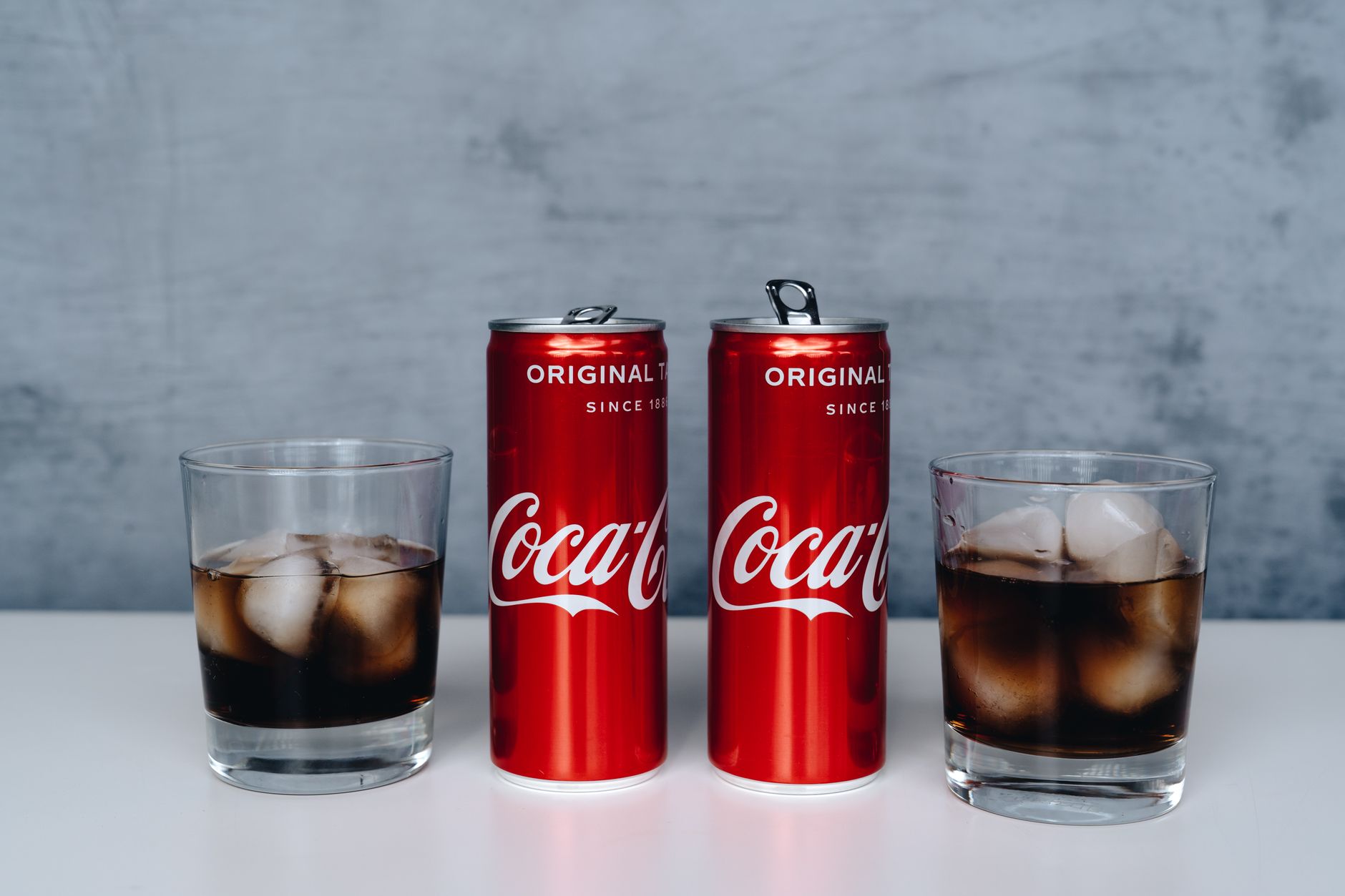
Soda is a popular beverage enjoyed by many for its sweet, fizzy taste and refreshing qualities. However, its sugar content often raises questions among health-conscious consumers about how much sugar they’re actually consuming with each sip. Understanding the grams of sugar in soda not only helps in making informed dietary choices, but it can also guide you in moderating your intake.
This article will explore the sugar content of various sodas, how it compares to other beverages, and tips on making healthier choices when it comes to drinks. Let’s dive into the details!
How Many Grams of Sugar Are in Soda?
On average, a 12-ounce (355 ml) can of soda contains about 39 grams of sugar, which is equivalent to roughly 9.5 teaspoons. However, the exact amount can vary significantly between different brands and types of soda, so it’s crucial to check labels for specific information.
Common Types of Soda and Their Sugar Content
Soda comes in many varieties—including colas, lemon-lime drinks, and fruit-flavored options. The sugar content can vary widely based on the ingredients and flavors. Below is a list of some popular sodas and their typical sugar content per 12-ounce serving:
- Coca-Cola Classic: 39 grams
- Pepsi: 41 grams
- Sprite: 38 grams
- Dr Pepper: 40 grams
- Mountain Dew: 46 grams
- Fanta Orange: 44 grams
- Root Beer: 36 grams
As evident, the amount of sugar in sodas can range from around 30 grams to over 45 grams. When consumed regularly, such high sugar intake can contribute to various health issues.
Health Implications of Sugar in Soda
Regular consumption of soda with high sugar content can lead to numerous health complications:
- Weight Gain: Sugary sodas are high in calories, which can contribute to excessive weight gain if consumed in large quantities.
- Increased Risk of Type 2 Diabetes: Studies have shown a correlation between high soda consumption and an increased risk of developing insulin resistance.
- Cavities and Dental Problems: Sugar contributes to tooth decay, and sodas can be particularly harmful due to their acidity.
- Heart Disease: Excessive sugar intake is linked to a higher risk of heart disease.
Understanding these implications may encourage individuals to limit their soda intake and seek alternatives.
Comparing Soda with Other Beverages
To contextualize the sugar content, let’s compare soda with other commonly consumed beverages:
| Beverage | Serving Size | Grams of Sugar |
|---|---|---|
| Soda (Coke) | 12 oz | 39 grams |
| Orange Juice | 8 oz | 22 grams |
| Sweetened Iced Tea | 12 oz | 30 grams |
| Sports Drinks | 12 oz | 20 grams |
| Fruit Smoothie | 12 oz | 25 grams |
As highlighted, soda generally contains more sugar per ounce compared to these other sugary drinks, making it a top contender for high sugar consumption.
How to Reduce Sugar Intake from Sodas
If you’re looking to cut back on sugar, here are some practical tips:
- Gradual Reduction: Start by reducing your soda intake gradually to make the transition easier.
- Substitutes: Consider switching to diet sodas or zero-calorie alternatives. However, be mindful of artificial sweeteners.
- Water Infusions: Opt for water infused with fruits or herbs for a refreshing and naturally flavored drink.
- Sparkling Water: Try unsweetened sparkling water or seltzer for a fizzy alternative without the sugar.
Understanding Sugar Labels
Reading labels is vital for monitoring your sugar intake. Here’s what to look for:
- Total Sugars: This includes both natural sugars and added sugars in the product.
- Added Sugars: Look specifically for added sugars; these are the sugars that can contribute to health problems.
- Serving Size: Pay attention to the serving size, as it can significantly impact the total sugar intake.
Understanding these elements can empower you to make more informed beverage choices.
Exploring Alternative Beverages
If you are looking to replace soda in your diet, here are some flavorful alternatives that are lower in sugar:
- Herbal Teas: Naturally caffeine-free and available in various flavors, herbal teas can be enjoyed hot or cold.
- Unsweetened Iced Tea: Brewed tea without added sugar can offer a refreshing alternative with less sugar content.
- Fruit-Infused Water: Add slices of citrus, berries, or melons to water for a natural sweetness.
- Coconut Water: While it has some natural sugars, it’s a more nutritious alternative compared to soda.
DIY Flavored Sodas
If you can’t say goodbye to the fizziness, consider making your own flavored soda using fizzy water and natural ingredients. Here’s a basic guideline:
Ingredients
- 1 cup of carbonated water
- 1 to 2 tablespoons of fresh fruit juice (e.g., lemon, lime, or berry)
- Optional: Fresh fruit slices and herbs (mint, basil)
Method
- In a glass, pour in the carbonated water.
- Add fresh fruit juice and stir gently.
- Garnish with fruit slices or herbs for extra flavor.
- Serve immediately over ice for a refreshing drink.
This DIY approach ensures you can enjoy the fizz without the high sugar content of traditional sodas.
Monitoring Sugar Intake
Keeping track of sugar intake is essential, especially for those trying to maintain a healthy lifestyle. Here are a few strategies:
- Food Journals: Maintain a food journal to monitor your beverage choices and their sugar content.
- Apps: Consider using apps dedicated to tracking sugar and calorie intake. They can simplify the process of understanding your daily consumption.
- Set Limits: Aim for a daily sugar limit based on dietary guidelines—most suggest keeping it below 10% of total daily calories.
Common Misconceptions About Soda and Sugar
There are several myths and misconceptions about soda consumption and its sugar content that merit discussion:
- All Sodas Have the Same Sugar Content: Not true—sugar content varies widely among brands and types.
- Diet Sodas are Healthier: While they contain fewer calories, they may still have their downsides due to artificial sweeteners.
- One Soda Isn’t Harmful: While an occasional soda is unlikely to harm you, regular consumption can contribute to significant health risks.
Conclusion
Understanding the sugar content in soda can empower you to make informed beverage choices. With an average of 39 grams of sugar per 12-ounce can, the high sugar content is a significant concern for many health experts. By opting for alternative beverages, reading labels, and monitoring your intake, you can enjoy a healthier lifestyle. Make conscious choices about what you drink and consider how those choices contribute to your overall health.
For more helpful tips and guides, explore our recipes for delicious egg dishes at delicious egg dishes, and learn about glucose syrup and its uses at what is glucose syrup.