
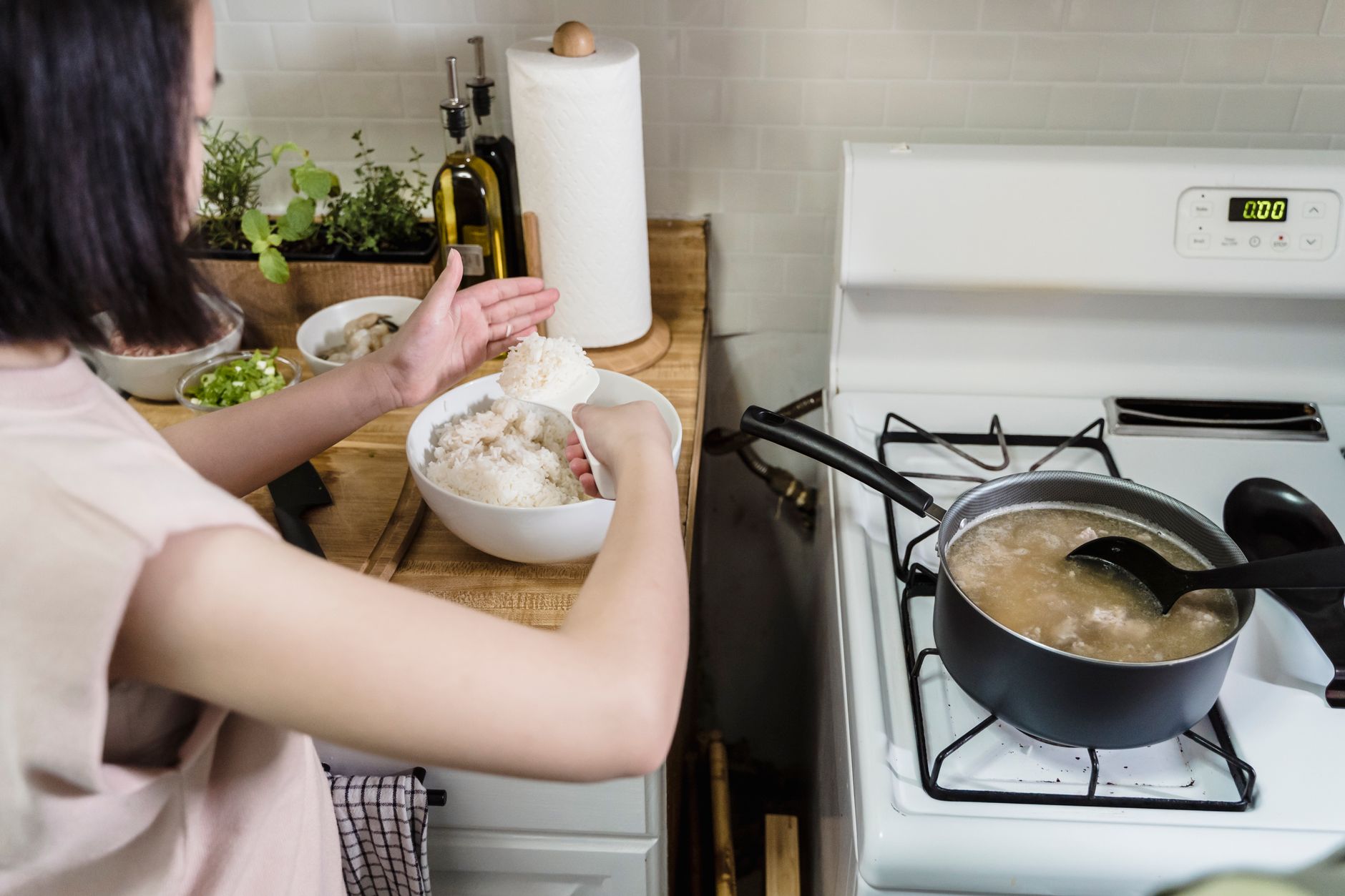
Cooking rice is a fundamental skill that can elevate many meals, providing a versatile base for countless dishes. However, achieving perfectly fluffy rice often hinges on the correct water-to-rice ratio. This article focuses on the widely asked question: how many cups of water for 4 cups of rice?
The right amount of water ensures your rice cooks evenly, absorbs flavors well, and maintains the desired texture. Here, we will break down key factors affecting water ratios, different types of rice, cooking methods, and tips for achieving the best results.
How Many Cups of Water for 4 Cups of Rice?
For 4 cups of white rice, you typically need about 6 to 8 cups of water. The general rule of thumb is to use 1.5 to 2 cups of water for every cup of rice, depending on the specific variety and cooking method. For brown rice, you would use approximately 8 to 10 cups of water for 4 cups of rice.
It’s essential to understand that various rice types absorb water differently; hence, adjustments in water ratio might be necessary based on personal preference and cooking methods.
Understanding Rice Varieties
Rice comes in many types, each with distinct cooking characteristics. Here are some of the most common varieties:
- White Rice: Includes long-grain, medium-grain, and short-grain rice. It’s often well-polished, resulting in a fluffy texture when cooked.
- Brown Rice: A whole grain with the bran layer intact, making it chewier and requiring more cooking time and water.
- Jasmine Rice: Fragrant long-grain rice popular in Southeast Asian cuisine, usually using a 1 to 1.5 water-to-rice ratio.
- Basmati Rice: Aromatic and long-grained, typically requiring 1.5 cups of water per cup of rice.
- Arborio Rice: A short-grain rice with high starch content, commonly used for risottos. It requires slightly less water due to its starchiness, typically 1.5 to 2 cups of chicken or vegetable broth per cup of rice.
Factors Influencing Water Ratios
Several factors can affect how much water you should use when cooking rice:
- Rice Type: As discussed, each rice variety has different water requirements. Adjust according to the rice you’re using.
- Age of Rice: Older rice tends to absorb water differently than fresh rice. Over time, the moisture content decreases.
- Cooking Method: The technique you choose can affect water absorption, with methods like steaming requiring less water than boiling.
- Climate and Humidity: In dry environments, rice can absorb more water than in humid climates, affecting the cooking time and water required.
- Personal Preference: Some people prefer their rice drier or more moist, so adjusting the water ratio to suit your own taste is essential.
Cooking Methods
There are various methods for cooking rice, each affecting how much water is absorbed and the final texture. Here are the most common methods:
Stovetop Method
- Rinse 4 cups of rice under cold water to remove excess starch.
- Add the rinsed rice to a large pot and pour in 6 to 8 cups of water, depending on your rice variety.
- Bring the water to a boil over medium-high heat.
- Once boiling, reduce the heat to low, cover the pot, and let it simmer for about 18-20 minutes for white rice or 35-45 minutes for brown rice.
- Remove the pot from heat and allow it to sit with the lid on for an additional 5-10 minutes to finish steaming.
- Fluff the rice with a fork and serve.
Rice Cooker Method
- Rinse the rice under cold water to remove excess starch.
- Add the rinsed rice to the rice cooker. With most white rice, use 6 cups of water; for brown rice, use about 8 cups.
- Close the lid, select the appropriate setting (usually ‘white rice’ or ‘brown rice’), and start the cooker.
- Once the rice is cooked, let it rest for about 5-10 minutes before fluffing and serving.
Oven-Baked Method
- Preheat the oven to 375°F (190°C).
- Rinse 4 cups of rice under cold water to remove excess starch.
- In a large baking dish, combine the rice and water (6 to 8 cups for white rice; 8 to 10 cups for brown rice).
- Add a tablespoon of salt, if desired, and cover the dish tightly with aluminum foil.
- Bake for about 25-30 minutes for white rice and 45-60 minutes for brown rice.
- After baking, remove from the oven and let it rest for 5-10 minutes before fluffing and serving.
Common Mistakes to Avoid
Cooking rice can be straightforward, but mistakes can lead to undesirable results. Here are some common pitfalls to watch for:
- Not Rinsing Rice: Failing to rinse rice can lead to a gummy texture due to excess starch.
- Incorrect Water Ratios: Using too much or too little water can cause mushy or undercooked rice.
- Lifting the Lid: Frequently checking on cooking rice can release steam, making it cook unevenly.
- Not Allowing to Rest: Skipping the resting phase can result in a sticky texture, as the rice grains need time to firm up.
Serving Suggestions
Perfectly cooked rice can serve as a base for many delightful dishes. Here are some simple serving suggestions:
- Stir-Fried Rice: Use the rice as a base for stir-fries by tossing in vegetables, protein, and a sauce.
- Curry Rice: Serve with your favorite curry dish—drizzle sauce over the rice for a delightful meal.
- Rice Bowl: Create a rice bowl with cooked meats, vegetables, and your choice of sauce for a nutritious meal.
- Sushi: Use sticky rice varieties (like short-grain) combined with vinegar for homemade sushi.
Make-Ahead Tips and Storage
If you’re preparing meals in advance, rice can be a great component for meal prep. Here are some tips on how to store cooked rice:
- Cool the rice to room temperature before storing it in an airtight container.
- Store in the refrigerator for up to 4-6 days.
- For longer storage, freeze cooked rice in single portions, which can last up to 6 months.
- To reheat, sprinkle a little water on the rice and microwave it, covering it with a damp paper towel to create steam.
Common Rice Variations and Substitutions
While rice is commonly enjoyed in its traditional form, many varieties and substitutions can add different flavors and textures. Here are some alternatives:
- Quinoa: A high-protein grain that cooks similarly to rice, using a 1:2 ratio of quinoa to water.
- Cauliflower Rice: A lower-carb option made from grated cauliflower. It cooks quickly and requires less liquid.
- Barley: A chewy, hearty grain with a nutty flavor. Use about 3 cups of water for 1 cup of barley.
- Farro: An ancient grain with a chewy texture, similar to barley. Typically requires about 2.5 to 3 cups of water per cup of farro.
Exploring World Cuisines with Rice
Rice is a staple in many cultures and cuisines globally. Here’s a brief look at how different regions use rice:
- Asian Cuisine: Rice is often steamed or fried, served alongside an array of vegetables, meats, and sauces.
- Latin American Cuisine: Known for dishes like Arroz con Pollo, rice is frequently cooked with spices and meats.
- Middle Eastern Cuisine: Dishes like pilaf involve cooking rice with spices and nuts for added flavor and texture.
- Italian Cuisine: Risotto showcases the creamy nature of Arborio rice, typically cooked slowly in broth.
Learning how to cook rice perfectly can enhance a variety of dishes throughout your culinary repertoire. With the right techniques, water ratios, and understanding of rice varieties, you’ll be well-equipped to create delicious, satisfying meals. Remember, experimentation can lead to perfecting your preferred texture and flavor.
If you’re curious about other rice-to-water ratios, be sure to check our guide on cooking rice. You can also explore regional recipes like our Puerto Rican Rice Recipe for more delightful dishes incorporating rice.