
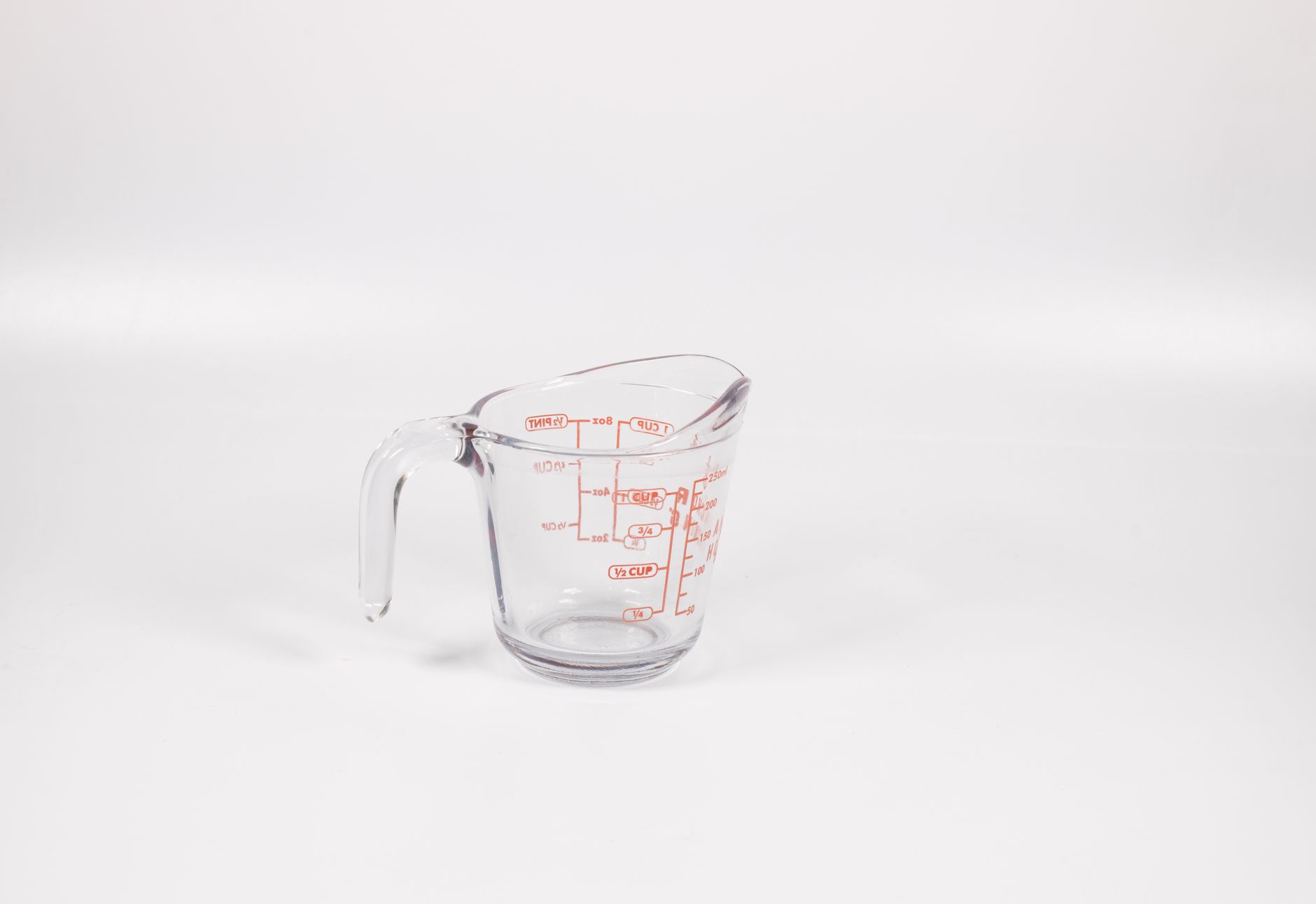
Understanding cooking measurements is essential for achieving delicious results in the kitchen. Whether you’re an experienced chef or a home cook, knowing how to convert measurements can make all the difference in your recipes. One common conversion many cooks encounter is figuring out how many cups are in a half pint.
A half pint is equivalent to 1 cup. This straightforward conversion is often needed in various recipes, especially when dealing with liquids or ingredients sold in pint containers. In this article, we will explore conversion methods, measuring tips, and other related measurements to help you become more confident in your cooking.
How Many Cups Is Half Pint?
To answer the question directly, half a pint is equal to 1 cup. A pint, which is a standard unit of volume in both the United States and the Imperial system, consists of 2 cups. Therefore, by dividing a pint in half, you arrive at 1 cup. This measurement is particularly relevant when dealing with liquids, such as milk or broth, and various ingredients in recipes.
Understanding Volume Measurements
Volume measurements are critical in both cooking and baking, as they define how much space the ingredients will occupy. Volume can be expressed in different units, including cups, pints, quarts, and gallons. Here is a quick reference to understand these measurements further:
- 1 cup = 8 fluid ounces
- 1 pint = 2 cups or 16 fluid ounces
- 1 quart = 4 cups or 32 fluid ounces
- 1 gallon = 16 cups or 128 fluid ounces
Understanding these conversions is essential, and knowing that half a pint equals one cup can simplify your cooking experience and help avoid measurement errors.
Common Kitchen Conversions
Beyond the conversion of half a pint to one cup, there are several other common conversions that home cooks should be familiar with. The following list outlines additional conversions you might find useful:
- 1 tablespoon (tbsp) = 3 teaspoons (tsp)
- 1 cup = 16 tablespoons
- 1 pint = 2 cups
- 1 quart = 4 cups
- 1 gallon = 16 cups
These conversions can be beneficial in adjusting recipes or understanding different units of measurement that may appear in cooking literature.
Measuring Techniques
Accurate measuring techniques are crucial for achieving the desired outcome in your dishes. Here are some recommendations to ensure you measure ingredients correctly:
Measuring Liquid Ingredients
When measuring liquids (such as water, oil, or milk), use a clear liquid measuring cup with measurement markings on the side. Here are a few tips for accuracy:
- Place the measuring cup on a flat surface.
- Pour in the liquid until it reaches the desired measurement level.
- Bend down to eye level to ensure the measurement is accurate.
Measuring Dry Ingredients
For dry ingredients (like flour, sugar, or brown sugar), follow these steps:
- Use dry measuring cups, which are typically made of plastic or metal.
- Do not pack the ingredient into the measuring cup unless the recipe specifically indicates to do so.
- Level off the top of the cup with a straight edge, such as a knife, for an accurate measurement.
Ingredient Contexts for Half Pint Measurement
Many recipes may call for measurements in pints or cups, and being familiar with how they convert can help you understand your options better. Here are situations where a half pint measurement often comes into play:
Cooking with Liquids
When preparing soups, sauces, or dressings, recipes may require half a pint of broth, stock, or liquid components. In these cases, knowing that half a pint equals 1 cup allows for easy addition and adjustment of flavors.
Using Produce
Certain fruits and vegetables may be measured in pints, especially when recipes call for berries, such as strawberries or blueberries. For instance, a recipe may request half a pint of strawberries, which translates to 1 cup. Understanding this measurement ensures that you maintain the correct balance of sweetness and volume in desserts.
Making Sauces and Marinades
For marinades and sauces, often recipes will specify a pint of an ingredient. Using half a pint allows you to scale down or adjust the flavor according to your needs. By knowing that a pint equals 2 cups, you can easily figure out how much you need.
Common Mistakes When Measuring
Even experienced cooks make mistakes with measurements. Familiarize yourself with these common pitfalls to avoid mishaps in the kitchen:
- Packing Ingredients: When measuring dry ingredients, avoid packing them into the measuring cup unless specified. This can lead to using more than intended.
- Wrong Measuring Tools: Using liquid measuring cups for dry ingredients, or vice versa, can yield inaccurate results.
- Estimating: Relying on visual estimates without employing proper measuring tools can affect the outcome of your recipes.
By being aware of these mistakes, you can improve your measuring accuracy and ensure a successful cook or bake every time.
Practical Tips for Measuring Accuracy
Here are several additional tips for enhancing measuring accuracy while cooking:
- Always use the right utensil for measuring specific ingredients.
- When baking, utilize a kitchen scale for precise measurements; this is particularly important for flour and sugar.
- Refer to specific guidelines in a recipe for unusual ingredients or specialty items, as they may require unique measurements.
Related Measurements in Culinary Practice
As you cook, you might encounter similar measurements that lend themselves to confusion. Here are several related terms and equivalent measurements that may also be useful:
Pint to Other Measurements
In addition to the conversion of pints to cups, here are some conversions to keep in mind:
| Volume | Equivalent |
|---|---|
| 1 pint | 2 cups |
| 1 tablespoon | 0.0625 cups |
| 1 fluid ounce | 0.125 cups |
This table can help clarify various volume conversions you might encounter in recipes.
When to Use Cup or Pint Measurements
Knowing when to use cup versus pint measurements can also enhance your recipe success:
- Use cups: For solid ingredients, smaller volumes, or when a recipe stipulates teaspoon or tablespoon-to-cup conversions.
- Use pints: For measuring larger volumes of ingredients or produce, such as berries, nuts, or liquids for sauces.
Understanding when to use each can help clarify recipes and make your cooking process smoother.
Exploring Ingredient Substitutions
It’s not merely about measuring; knowing the equivalents can help when preparing ingredients. Here are some common substitutions that can accommodate a half pint’s worth of measurement:
Common Ingredient Substitutions
- Half pint of yogurt: Can be substituted with 1 cup of sour cream or buttermilk.
- Half pint of heavy cream: Can be replaced with a mix of 1 cup of milk and 1/3 cup of melted butter.
- Half pint of broth: Substitute with 1 cup of water and a bouillon cube for flavor.
Substitutions such as these allow for flexibility and ensure that you can maintain the integrity of your dish without compromising on taste.
Final Thoughts on Cooking Measurements
Understanding that a half pint is equal to one cup opens a world of possibilities in your culinary adventures. From recipes to cooking techniques, accurate measuring and conversion knowledge can enhance your cooking skills immensely.
As you delve into your cooking endeavors, remember that being mindful of measurements facilitates confident cooking and perfecting flavors. With practice and familiarity with conversions, you’ll find it easier to adjust dishes based on what you’ve measured.
With this newfound knowledge, your next steps might involve testing out new recipes or revisiting some favorites with confidence. For example, if you’re looking to make a simple dinner with a precise balance of ingredients while embracing volume measurement, consider trying dishes that call for half-pint portions.
Explore related topics, such as understanding how many cups of water are needed for cooking rice at this guide or learn how much applesauce equals one egg at this article. These links provide additional guidance on cooking measurements and ingredient best practices.