
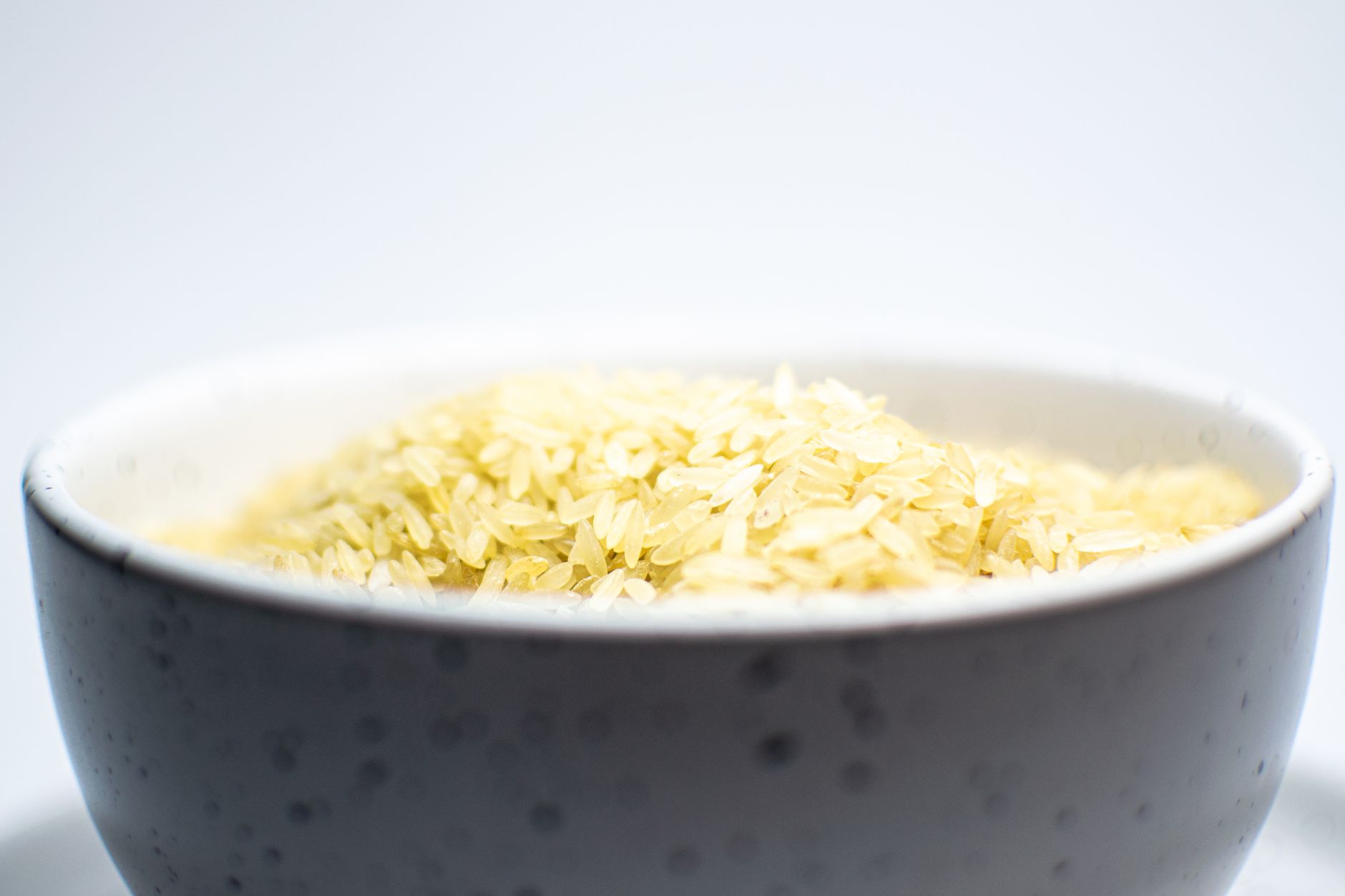
Understanding how many cups are in a bowl may seem like a simple question, but it is vital for accurate cooking and baking. Knowing this measurement can help you follow recipes more accurately, adapt them to your needs, and avoid any unpleasant surprises in the kitchen. In this guide, we will explore standard bowl measurements, conversions between bowls and cups, and practical tips for measuring ingredients effectively.
While bowls come in various sizes, typically a standard medium mixing bowl holds around 4 to 6 cups of contents. Depending on your kitchenware, bowls can range from smaller ones used for serving snacks to larger ones designed for mixing batter or tossing salads. Let’s take a closer look at how to measure accurately, convert between different units, and the importance of precision in your cooking.
How Many Cups in a Bowl?
A standard bowl can generally hold 4 to 6 cups, but this can vary based on the specific bowl you are using. For example, a small bowl might hold 1 to 2 cups, while a larger salad or mixing bowl could exceed 10 cups. Knowing this range will help you accurately measure and scale your recipes.
Common Bowl Sizes and Their Capacities
Different tasks may require different bowl sizes. Here, we outline various common bowl sizes and their approximate capacities:
- Small Bowls: Typically hold 1 to 2 cups. Ideal for ingredients like chopped herbs or small portions of sauces.
- Medium Bowls: Usually hold about 4 to 6 cups. Perfect for mixing ingredients for salads or batters.
- Large Bowls: Generally range from 8 to 10 cups. Suitable for mixing large batches of dough or serving family-sized salads.
- Extra-Large Bowls: Can hold over 10 cups. Useful for larger gatherings or cooking for a crowd.
Conversions Between Cups and Bowls
Understanding conversions can simplify your cooking, especially when a recipe specifies a different unit of measurement. Below is a quick reference for converting between cups and bowls:
| Bowl Size | Approximate Cups |
|---|---|
| Small Bowl | 1-2 cups |
| Medium Bowl | 4-6 cups |
| Large Bowl | 8-10 cups |
| Extra-Large Bowl | 10+ cups |
How to Measure Ingredients Accurately
Accurate measurement of ingredients is crucial to the success of your recipes. Here are some essential tips for measuring dry and wet ingredients properly:
Measuring Dry Ingredients
- Use the Right Tools: A set of dry measuring cups is ideal for dry ingredients. Avoid using liquid measuring cups for dry measurements.
- Fluff Up Ingredients: Before scooping flour or sugar, stir it with a whisk or spoon to aerate it.
- Spoon and Level: Spoon the ingredient into your measuring cup without packing it down, then level it off with a straight edge.
Measuring Wet Ingredients
- Use Liquid Measuring Cups: They usually have a spout for pouring liquids easily.
- Check at Eye Level: Always measure liquids at eye level to get an accurate reading.
- Use the Correct Units: Know whether your recipe calls for milliliters, cups, or fluid ounces.
Common Measuring Mistakes to Avoid
Even experienced cooks may run into common measuring mistakes. Here are some pitfalls to watch out for:
- Packing Dry Ingredients: Some ingredients like brown sugar should be packed, but most should not be. Check your recipe specifics.
- Using Liquid Measurements for Dry Ingredients: This can throw off your recipe significantly. Always use the appropriate measuring tools.
- Overfilling Measuring Cups: This can lead to excess ingredients, affecting taste and texture.
Cooking and Baking Tips Utilizing Bowl Measurements
Knowing how many cups are in a bowl aids in recipe scaling, meal prep, and effective cooking techniques. Here are a few essential tips:
Scaling Recipes
If you want to make a recipe for a larger group, you will need to scale the ingredients based on the bowl measurements. For example, if a recipe calls for 2 cups and you use a medium bowl (which holds 4 cups), you can double the ingredient quantity to fill the bowl.
Meal Prep and Planning
For meal prep, using designated bowls for specific ingredients can streamline the process. If you’re preparing ingredients in advance, knowing how many cups each bowl holds will ensure proper storage and serving sizes.
Using Bowl Measurements for Serving
When serving dishes, knowing how many cups are in your bowl can help determine portion sizes. For example, if you’re serving pasta or a salad from a large bowl, knowing it holds 8 cups can help you estimate servings if you’re looking to serve a specific number of people.
Alternative Measurement Techniques
When precise measuring tools are unavailable, alternative methods can come in handy:
- Using a Kitchen Scale: Weighing ingredients can give you a more precise measurement than volume, especially for baking.
- Using Everyday Items: Familiar items can serve as measurement tools; for example, a standard coffee mug typically holds about 1 cup.
- Estimating by Visual Cues: With experience, you can learn to estimate cup sizes by the height and width of the ingredients in your bowl.
Special Considerations for Different Ingredients
Different ingredients have distinct properties that may affect how they fill a bowl:
Fluffy Ingredients
Ingredients like lettuce, popcorn, or anything else that can be aerated will take up more space. When measuring these ingredients, be mindful that they can fill bowls differently than denser ones.
Dense Ingredients
Dense ingredients such as shredded cheese or nuts should be packed gently. They can fill a bowl more compactly than lighter, fluffier options.
Practical Uses of Bowl Measurements in Baking
Baking relies heavily on precise measurements. Here’s how understanding bowl measurements can help:
Baking Bread
Many bread recipes call for specific volumes of flour and water. If a recipe requires 4 cups of flour and you have a medium bowl, you can measure it out accurately without guessing.
Measuring Ingredients for Cake Batter
Cake batters often require multiple ingredients like flour, sugar, butter, and liquids. Knowing how many cups your bowl holds can help you space out the measuring efficiently, reducing the likelihood of errors.
Preparing Pie Filling
When making pie filling, understanding bowl measurements is crucial for achieving the desired consistency and flavor. You may need to combine various ingredients and be precise with amounts for optimal results.
Conclusion
In summary, knowing how many cups are in a bowl can profoundly influence your cooking and baking success. From scaling recipes accurately to ensuring proportionate servings, understanding bowl capacities is foundational in the kitchen. Start measuring and experimenting confidently, and watch your culinary skills flourish.
For additional insights on cooking and measuring techniques, check out our article on how many cups of water for 1 cup of rice or learn more about how long to bake boneless pork chops. Happy cooking!