
Understanding cooking measurements is essential for anyone who enjoys preparing food. One of the most common questions in cooking relates to volume conversions, particularly how many cups are in a pint. This knowledge can simplify recipes and help avoid potential kitchen disasters.
In this article, we will clarify the conversion of pints to cups, explore various measuring techniques, and provide tips for accurate ingredient measurement, whether you’re baking, cooking, or preparing meals.
How Many Cups in 1 Pt?
There are 2 cups in 1 pint. This simple conversion can help streamline your cooking and baking process, ensuring you get the measurements right every time.
The Importance of Accurate Measurements in Cooking
Accurate measurements are crucial in cooking as they affect the final flavor, texture, and overall quality of your dishes. Many recipes involve precise ratios of ingredients, especially in baking where miscalculations can lead to dense cakes or flat breads.
Understanding common volume conversions—like pints to cups—ensures consistency, allowing for replicable results whether you’re preparing a dish for a weeknight dinner or an elaborate holiday feast.
Understanding Pints and Cups
Pints and cups are units of measurement heavily utilized in both cooking and beverage serving. A pint, commonly used in the United States for both liquid and dry measurements, is equivalent to 16 fluid ounces. This means that, with 2 cups in a pint, each cup measures 8 fluid ounces.
Common Conversions for Your Kitchen
To further enhance your measurement skills, it helps to know other common conversions:
- 1 cup = 8 fluid ounces
- 1 quart = 4 cups
- 1 gallon = 16 cups
- 1 tablespoon = 1/16 cup
- 1 teaspoon = 1/48 cup
Measuring Techniques for Accurate Cooking
Having the right tools and techniques makes a significant difference in measurement accuracy. Here are some practical tips for correctly measuring both liquids and dry ingredients:
Measuring Liquid Ingredients
When measuring liquids, a clear liquid measuring cup is ideal as it typically features measurement lines marked along the sides. Here’s how to measure effectively:
- Place the measuring cup on a flat surface.
- Pour the liquid into the cup until it reaches the desired measurement line.
- Bend down to eye level with the measuring cup to ensure the liquid level meets the mark. Avoid measuring at an angle.
Measuring Dry Ingredients
Dry ingredients can be measured using dry measuring cups, which are designed to be filled and leveled off. Here’s the best way to get an accurate measurement:
- Use a spoon to scoop the ingredient (like flour or sugar) into the measuring cup until it overflows.
- Use a straight edge, like a knife, to level off the top, ensuring you’ve captured the right amount.
Using Kitchen Scales
For those who are serious about precision, a kitchen scale is invaluable. It allows you to measure ingredients by weight, bypassing volume discrepancies that can arise with different ingredients. Here’s how to use one:
- Place an empty bowl or container on the scale and tare (zero) the scale.
- Add the ingredient until the desired weight is indicated on the scale.
Cooking and Baking: When Measurements Matter
The difference in measurements can significantly shift the outcome of your dishes, especially in baking. Here are some insights into how cup-to-pint conversions play a role in various recipes:
Baking Recipes
Baking relies heavily on the science of measurement. For example, a cookie recipe may call for 1 pint of milk, which translates to 2 cups. Incorrectly measuring could cause the cookies to spread too much or not rise properly.
Cooking Soups and Sauces
In making a soup or sauce, understanding how many cups are in each pint can help create the desired consistency. A recipe that calls for 1 pint of broth translates to 2 cups, ensuring that you achieve your targeted flavor profile without dilution.
Preparing Dressings and Marinades
When crafting dressings or marinades, you may need to convert pints to cups to achieve the right balance between oil and vinegar. A flavorful dressing requires precise measurements; converting 1 pint to 2 cups ensures that your dressing has a perfect acidity level.
Common Mistakes in Measurement and How to Avoid Them
Even seasoned cooks can make mistakes in measurement. Here are common pitfalls to be aware of:
Overpacking Dry Ingredients
A common mistake is overpacking flour or other dry ingredients, which can lead to excessive amounts being used. Always level off dry ingredients instead of scooping directly from the container.
Not Using Liquid Measurements Correctly
When measuring liquids, avoid lifting the cup to eye level; instead, measure on a flat surface. Watching for the meniscus—the curve at the surface of the liquid—can also provide more accurate readings.
Ignoring Ingredient Density
Different ingredients have different densities. For instance, a cup of shredded cheese will weigh less than a cup of compacted brown sugar. Be mindful of these differences, especially when converting units.
Cooking Tools to Simplify Measurement
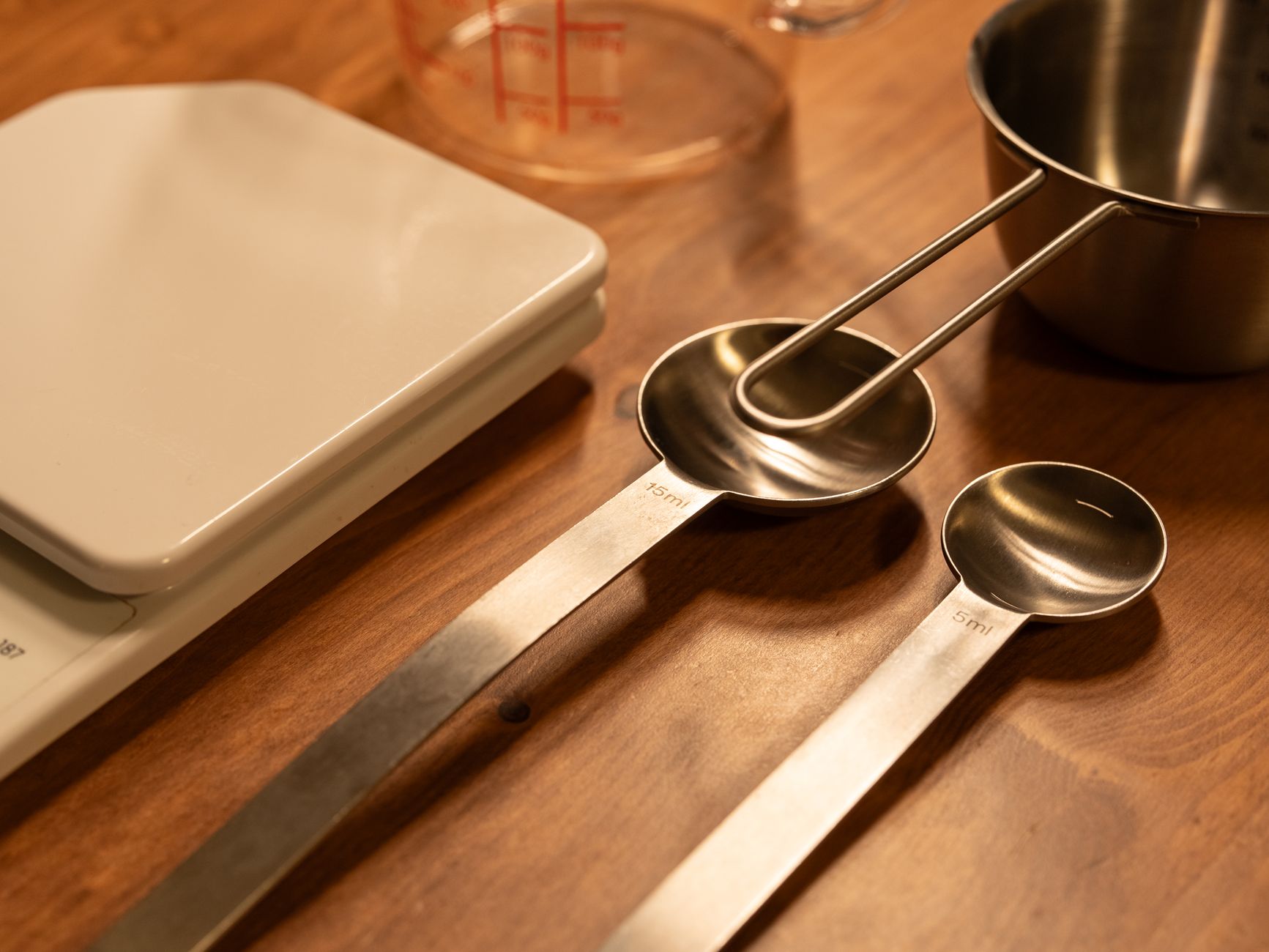
Ensuring accurate measurements is easier with the right tools. Here’s a list of essential measuring tools for your kitchen:
- Liquid measuring cups (preferably glass or clear plastic with measurement lines)
- Dry measuring cups (typically made of metal or plastic)
- Measuring spoons (for tablespoons and teaspoons)
- Kitchen scale (for precision in weight)
- Leveling tool (like a straight edge knife or spatula)
Conversions for Specialized Ingredients
Cooking often involves specialty ingredients that may require different measuring techniques. Here are some conversions and considerations for a few common ones:
Butter
Butter is typically sold in sticks, with 1 stick equal to 1/2 cup or 1/4 pint. When a recipe calls for pints of butter, simply convert: 1 pint of butter equals 2 sticks, or 1 cup.
Rice and Grains
Rice is traditionally measured in cups, but if a recipe states pints, remember that 1 pint equals 2 cups. For rice, the general cooking ratio is usually 1 cup of rice to 2 cups of water. Thus, when measuring in pints, ensure you’re using the correct boundaries.
Liquid Ingredients with Varying Viscosity
Some liquids, like honey or molasses, may not pour as easily as water or milk. When using these substances, it can be beneficial to lightly grease your measuring cup with oil to help the ingredient pour out more easily.
Practical Tips for Cooking with Measurements
Here are several additional tips to enhance your meal preparation accuracy:
- Consider using graduated measuring cups that clearly indicate both metric and imperial measurements for enhanced versatility.
- Practice making notes in your cookbooks, especially if you modified ingredient amounts.
- Invest in a reliable set of measuring spoons that accommodates both tablespoons and teaspoons for seamless conversions.
- When baking, read the recipe all the way through before starting to identify any potential measurement needs.
Conclusion
Understanding that there are 2 cups in 1 pint is just the start of mastering your cooking and baking game. Equipped with proper measurement knowledge and techniques, you’ll elevate your culinary creations and make informed decisions in the kitchen.
Explore more of our helpful guides and insights such as how to measure rice effectively or discover easy substitutes for vanilla extract in your baking adventures.