
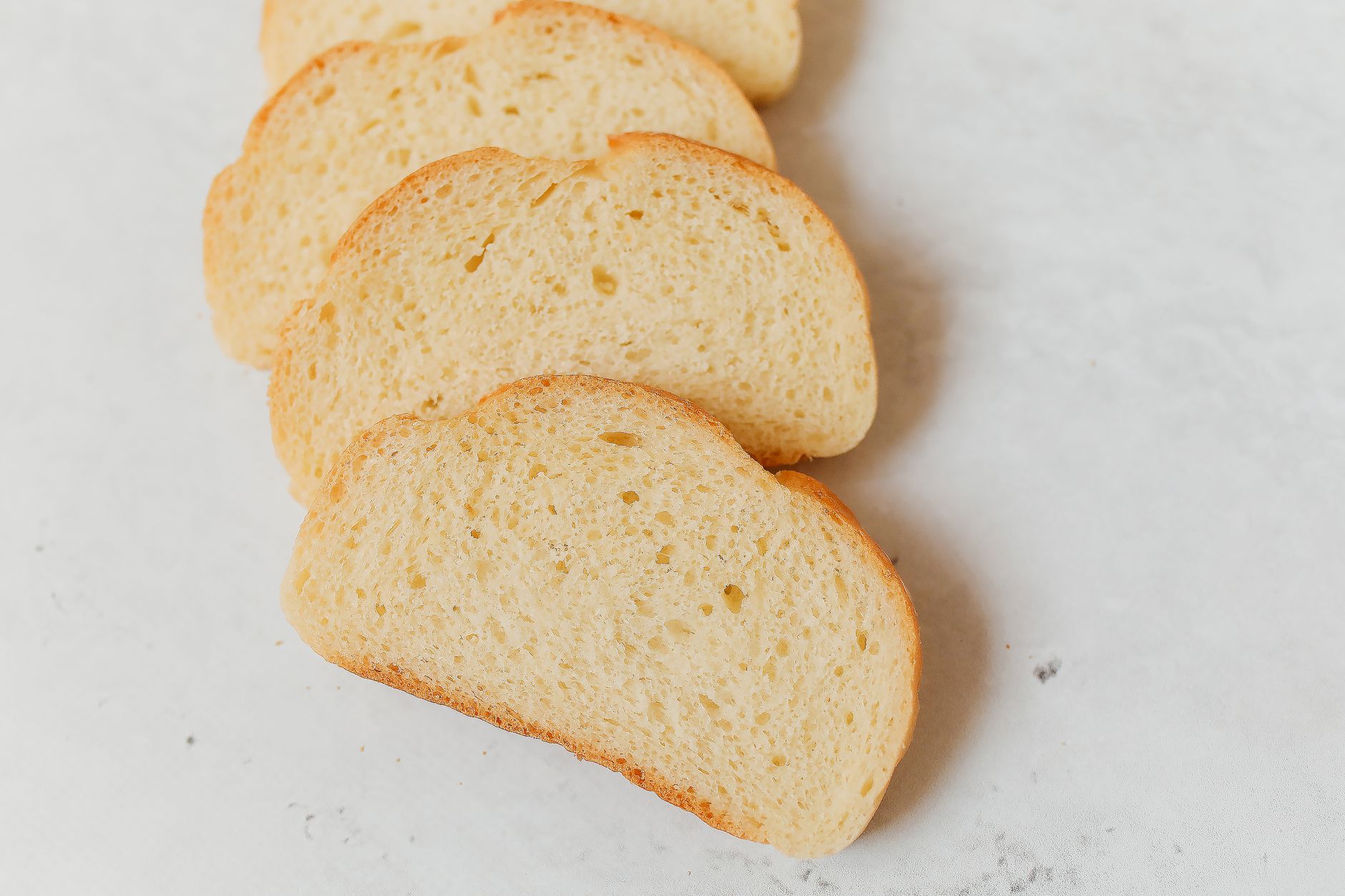
Wheat bread is a staple in many households, celebrated for its versatility and nutritional benefits. Understanding the carbohydrate content in wheat bread is essential for those managing their dietary intake, especially for individuals monitoring their carb consumption for health reasons. This article delves into the carbohydrate content in wheat bread, providing detailed insights based on serving sizes and types of wheat bread available.
With many varieties of wheat bread on the market, including whole wheat, white wheat, and artisan styles, consumers may often wonder how many carbohydrates each type contains. This guide serves to clarify these aspects, helping you make informed choices for sandwiches, toast, or accompanying meals.
How Many Carbs in Wheat Bread?
The carbohydrate content in wheat bread typically ranges from 12 to 15 grams per slice, depending on the specific type and preparation method. Whole wheat bread, which retains much of the wheat grain, tends to have a slightly higher fiber content and may offer different nutritional benefits compared to refined wheat bread.
Understanding Different Types of Wheat Bread
Wheat bread comes in various forms, each differing in composition and carbohydrate content. Here are the most common types:
1. Whole Wheat Bread
Whole wheat bread is made from whole grains and retains the bran, germ, and endosperm of the wheat kernel. This type typically contains:
- Carbohydrates: 12-15 grams per slice
- Fiber: 2-3 grams per slice
The higher fiber content in whole wheat bread contributes to better digestion and may help regulate blood sugar levels.
2. White Wheat Bread
White wheat bread, often referred to as refined wheat bread, is milled to remove the bran and germ, resulting in a lighter texture. Its nutritional profile includes:
- Carbohydrates: 13-14 grams per slice
- Fiber: 0.5-1 gram per slice
This bread has fewer nutrients compared to whole wheat bread but is still a popular choice for its mild flavor and softness.
3. Artisan Wheat Bread
Artisan wheat breads vary widely in their ingredients and preparation methods. Depending on the specific recipe, their carbohydrate content can range significantly:
- Carbohydrates: 10-20 grams per slice
- Fiber: 2 grams or more per slice (depending on ingredients)
Artisan breads often incorporate additional grains and seeds that enhance flavor and nutritional value.
4. Sprouted Wheat Bread
Sprouted wheat bread is made from germinated whole grains, which increases enzyme activity and nutrient availability. The values typically include:
- Carbohydrates: 12-14 grams per slice
- Fiber: 3-4 grams per slice
This type of bread may be more digestible and packed with additional vitamins and minerals.
Carbohydrate Breakdown in Wheat Bread
Understanding the carbohydrate content in wheat bread involves not only considering the total grams but also distinguishing between types of carbohydrates:
Simple vs. Complex Carbohydrates
Wheat bread primarily contains complex carbohydrates, which are beneficial as they provide sustained energy and are digested more slowly than simple carbohydrates found in sugary foods.
Fiber Content in Wheat Bread
Fiber is a critical component of carbohydrates found in wheat bread. The fiber content aids in digestive health, helps control sugar levels, and contributes to a feeling of fullness. The choice between whole grain and refined wheat bread can significantly affect the fiber intake. Whole wheat varieties are typically preferred for their fiber content, which is vital for a balanced diet.
Comparing Carbs in Wheat Bread to Other Breads
When evaluating wheat bread, it’s helpful to compare its carbohydrate content with other popular breads.
White Bread
White bread generally has a similar carbohydrate content to refined wheat bread but with even lower fiber content, often around 13-15 grams per slice with less than 1 gram of fiber.
Rye Bread
Rye breads often contain about 15 grams of carbohydrates per slice, but they can also vary depending on the recipe, with some having higher or lower fiber content.
Gluten-Free Bread
For gluten-free options, the carbohydrate content is usually higher, ranging from 15 to 20 grams per slice. These breads often contain additional ingredients like rice flour or tapioca that contribute to the higher carb count.
How to Choose the Right Wheat Bread
Selecting the right wheat bread involves considering your dietary needs and preferences. Here are some tips to guide your choice:
- Read Labels: Always check nutritional labels to compare carbohydrate and fiber content. Aim for products with higher fiber to support digestive health.
- Look for Whole Grains: Ensure that “whole wheat” or “whole grain” is listed as the first ingredient for the best nutritional benefits.
- Consider Added Ingredients: Some breads contain added sugars or preservatives that may affect overall health. Opt for cleaner ingredient lists when possible.
Ways to Incorporate Wheat Bread into Your Meals
Wheat bread can be easily integrated into numerous meals throughout the day:
Breakfast
Use it for toast topped with avocado or eggs. It can also be a base for breakfast sandwiches, providing a nutritious and hearty option.
Lunch
Wheat bread is perfect for sandwiches, pairing well with lean proteins, vegetables, and healthy spreads. Explore combinations like turkey with spinach or hummus with cucumber.
Dinner
Wheat bread can accompany soups, salads, and stews, providing a source of carbohydrates that balances a meal. Serve alongside a hearty vegetable soup for a comforting dinner.
Snacks
Make open-faced sandwiches with your favorite toppings for a quick snack. Alternatively, innovate with bread-based snacks like bruschetta topped with tomatoes and herbs.
Common Misconceptions About Wheat Bread
Clearing up misunderstandings about wheat bread can aid in making informed dietary decisions:
Myth: All Wheat Bread is the Same
Not all wheat bread is created equal. Different types offer varying nutritional profiles, and the level of refinement in the bread affects its health benefits.
Myth: Whole Wheat Bread is Always Healthier
While whole wheat bread provides more fiber and nutrients, not all whole grain breads are made the same. Always check for added sugars or unhealthy fats.
Storage and Freshness of Wheat Bread
To maintain the quality and freshness of wheat bread, proper storage is crucial:
Optimal Storage Conditions
- Keep it cool: Store wheat bread in a cool, dry place preferably in its original packaging or a bread box.
- Refrigerate for Longevity: If you won’t consume it within a few days, consider refrigerating or freezing it for later use.
Signs of Spoilage
Check for mold or off-smells, which indicate that the bread has spoiled. Always discard bread that shows signs of spoilage.
Recipes Utilizing Wheat Bread
Wheat bread can serve as a base for various recipes. Consider trying:
1. Wheat Bread Pudding
Utilize day-old wheat bread to create a sweet or savory bread pudding, lending unique flavors and a comforting texture.
2. Croutons
Make homemade croutons by cubing and toasting wheat bread, seasoned with herbs and spices for delicious salad toppings.
3. Sandwiches and Melts
Create gourmet sandwiches or melts using your favorite fillings, layering flavors with different cheeses, meats, and vegetables.
Final Thoughts on Wheat Bread and Carbs
Understanding the carbohydrate content in wheat bread can empower choices for various dietary needs. Whether you prefer whole wheat or refined, each option offers a nutritional profile suited for different tastes and meal planning preferences.
Incorporate wheat bread into your meals wisely, balancing it with other nutritious ingredients to enhance overall dietary quality. By reading labels and knowing your options, you can enjoy wheat bread as a healthful part of your daily diet.
For more delicious ideas, try our honey wheat bread recipe or explore how to bake with ancient grains in our einkorn bread recipe.