
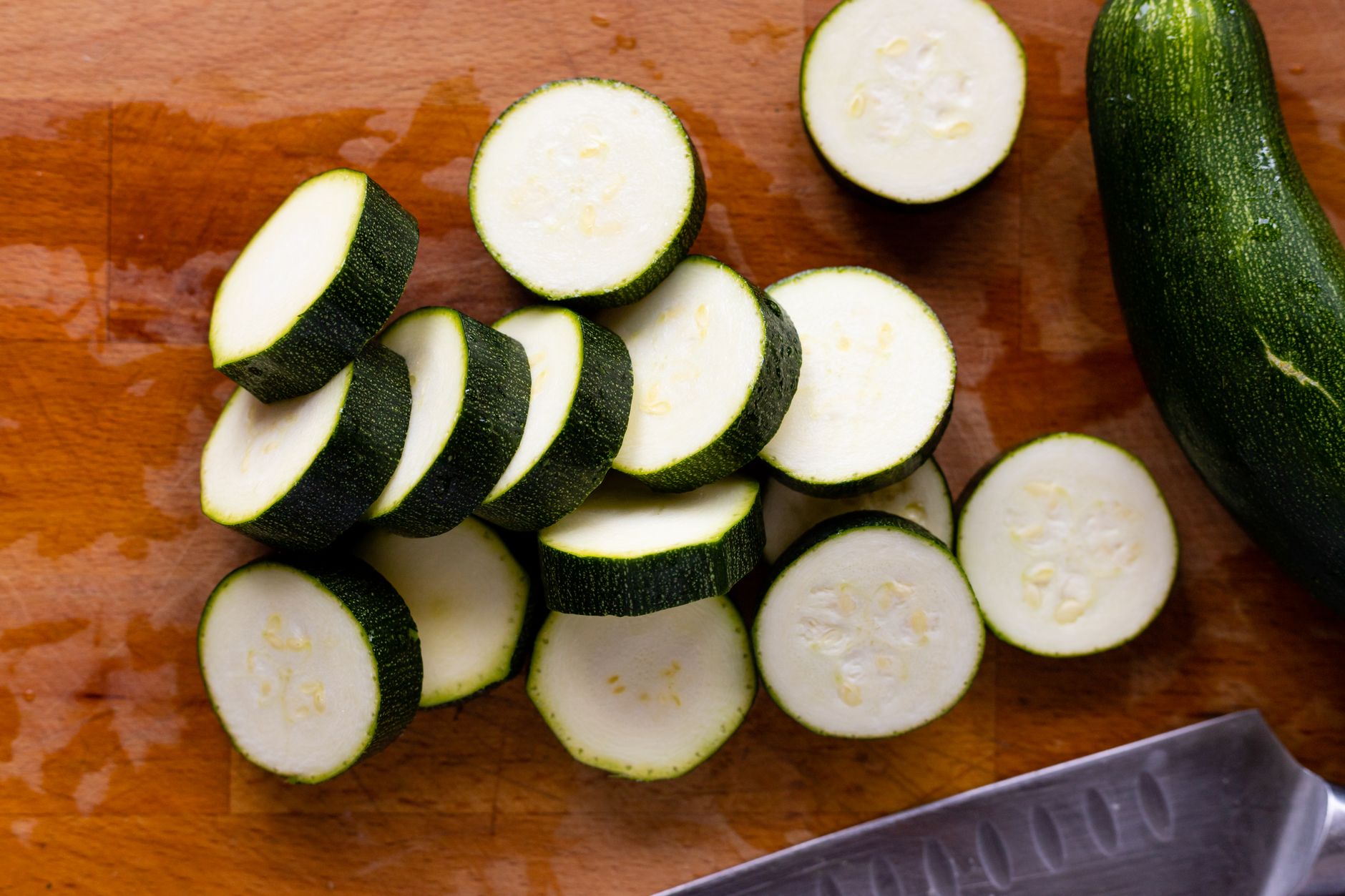
Zucchini, often praised for its versatility and low-calorie content, is a popular addition to many diets. But when it comes to carb count, how much does this summer squash actually contribute to your meals? Understanding the carbohydrate content in zucchini can help you make informed decisions when meal planning, especially if you are monitoring your carb intake.
In this article, we will delve deep into the carb content of zucchini, explore its nutritional benefits, and provide practical insights for incorporating it into your diet. From serving sizes to cooking methods, get ready to learn everything you need to know about this delicious vegetable.
How Many Carbs Does Zucchini Have?
One medium-sized zucchini (approximately 196 grams) contains about 6 grams of carbohydrates. Of this, about 2 grams are dietary fiber, translating to roughly 4 grams of net carbs. This makes zucchini an excellent choice for low-carb and ketogenic diets.
Nutritional Profile of Zucchini
Besides being low in carbs, zucchini offers various vitamins and minerals, enhancing its nutritional appeal. Here’s a breakdown of the key nutrients found in a medium zucchini:
- Calories: 33
- Protein: 2.4 grams
- Fat: 0.6 grams
- Carbohydrates: 6 grams
- Dietary Fiber: 2 grams
- Vitamin C: 22% of the Daily Value (DV)
- Vitamin A: 10% of the DV
- Potassium: 12% of the DV
This makes zucchini not only a low-carb vegetable but also a nutrient-dense one, offering a variety of vitamins while keeping calorie counts low.
Understanding Different Serving Sizes
To truly grasp how many carbs zucchini has, let’s examine how the carb content varies with different serving sizes:
| Serving Size | Carbohydrates (g) | Dietary Fiber (g) | Net Carbs (g) |
|---|---|---|---|
| 1 cup, chopped (124g) | 4 grams | 1 gram | 3 grams |
| 1 medium zucchini (196g) | 6 grams | 2 grams | 4 grams |
| 1 large zucchini (323g) | 11 grams | 4 grams | 7 grams |
These figures can help you plan your meals effectively, especially if you’re adhering to a specific carbohydrate limit.
Why Choose Zucchini?
Zucchini stands out in the vegetable world for several reasons beyond its carbohydrate content. Here’s why you might want to incorporate it into your diet:
- Low-Calorie Food: Zucchini is very low in calories, making it an excellent choice for weight management.
- Nutrient Dense: Packed with vitamins and antioxidants that help fight inflammation and promote overall health.
- Hydration: High water content helps keep you hydrated, especially in warmer months.
- Versatile Ingredient: Works well in various dishes, from salads to casseroles to baked goods.
How to Prepare and Cook Zucchini
With its mild flavor and tender texture, zucchini can be prepared and cooked in numerous ways. Here are some popular methods:
1. Sautéing
Sautéing zucchini is one of the easiest ways to incorporate this vegetable into your meals. To sauté zucchini:
- Slice zucchini into rounds or half-moons.
- Heat a tablespoon of olive oil in a skillet over medium heat.
- Add zucchini slices, season with salt and pepper, and cook for about 5-7 minutes until tender.
2. Grilling
Grilling brings out the natural sweetness of zucchini. To grill zucchini:
- Slice zucchini lengthwise into strips.
- Preheat the grill to medium-high heat.
- Brush the zucchini with olive oil and sprinkle with salt.
- Grill for 3-4 minutes on each side, or until you see grill marks.
3. Baking
Incorporating zucchini into baked goods or casseroles is a fantastic way to add moisture. To bake zucchini:
- Grate zucchini using a box grater.
- Remove excess moisture by placing it in a clean kitchen towel and squeezing.
- Add it to batters for muffins or bread, or mix it into casseroles for extra nutrition.
4. Zoodles (Zucchini Noodles)
Zucchini noodles, or zoodles, have gained popularity as a low-carb alternative to traditional pasta. To make zoodles:
- Use a spiralizer to turn zucchini into noodles.
- Cook them briefly in a skillet with a little oil for about 2-3 minutes, or until slightly tender.
Ingredient Substitutions and Variations
If you’re looking to replace zucchini in a dish, understand that different vegetables bring unique flavors and textures. Here are some suitable alternatives:
- Yellow Squash: Similar in taste and texture, works well in most recipes calling for zucchini.
- Cucumbers: Excellent for salads or raw dishes, with a crunchy texture, though higher in water content.
- Spaghetti Squash: Ideal for creating low-carb pasta alternatives with a slightly sweeter flavor.
Common Mistakes to Avoid When Cooking Zucchini
Even simple dishes can go awry, so here are some common pitfalls and how to avoid them:
- Overcooking: Zucchini can become mushy quickly; aim for a slight crunch when cooking.
- Not Removing Excess Moisture: When using zucchini in baked goods, be sure to squeeze out excess water to prevent sogginess.
- Ignoring the Peel: The skin contains nutrients; there’s no need to peel unless the skin is tough or blemished.
Storage and Reheating Guidelines
Proper storage is essential to preserve the freshness of zucchini:
- Refrigeration: Store fresh zucchini in a plastic bag in your refrigerator’s crisper drawer for up to one week.
- Freezing: For long-term storage, blanch zucchini slices in boiling water for two minutes, then cool in ice water before freezing. This can last for up to a year.
- Reheating: When reheating cooked zucchini, avoid microwaving as it can make it soggy. Instead, reheat it gently in a skillet.
Meal Planning with Zucchini
Incorporating zucchini into your meal plans is easy. Here are some ideas to get started:
- Breakfast: Add grated zucchini to your morning omelet or baked goods like muffins for added nutrition.
- Lunch: Toss sautéed zucchini into salads or use it as a topping for grain bowls.
- Dinner: Use zoodles as a pasta substitute or include zucchini in stir-fries and casseroles.
- Snacks: Slice raw zucchini and serve with hummus or tzatziki for a healthy, low-carb snack.
Conclusion
Zucchini is a versatile, low-carb vegetable that plays a significant role in various dishes. Its mild flavor and adaptable nature make it a favorite in many kitchens. Whether you are looking to cut carbs or simply enjoy more vegetables, zucchini is an excellent option.
Explore more delicious recipes and tips that may assist you in your culinary journey. Check out our zucchini relish recipe and understand how many carbs are in eggs to further enhance your meal planning.